What kind of wine is Albariño/Alvarinho?
Spain and Portugal share many things, including a love of the same white wine grape called Albariño or Alvarinho. The refreshing and aromatic white wines are ideal for the sunny Mediterranean climate and the fresh dishes based on local seafood and vegetables.
Though both countries consider Albariño/Alvarinho their own grape. Viticulture historians know the grape was first cultivated on the Iberian peninsula but haven’t been able to determine where. The name is derived from a Latin word meaning white, but little more is known about its origins.
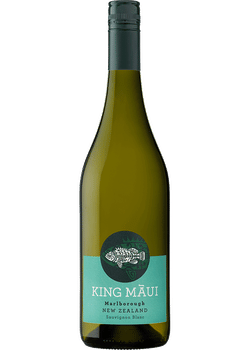
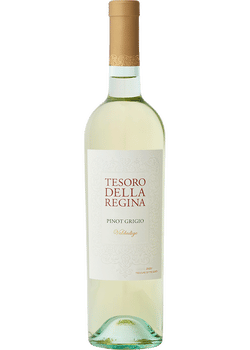
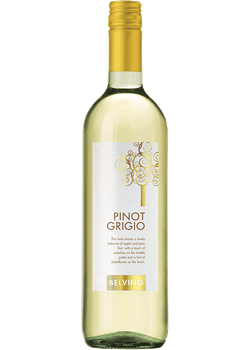
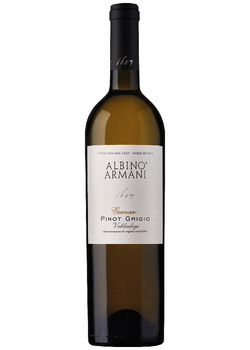
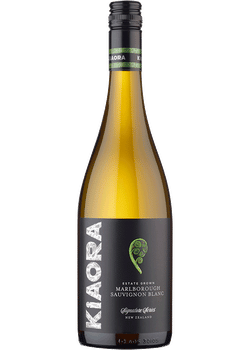
If you love Sauvignon Blanc or Pinot Grigio, then there’s a good chance you’ll like Albariño too. It’s an affordable and delightful white wine that brightens the flavors in fresh salads and herbal dishes like pesto to anything from the ocean, including shrimp tempura, sushi, tinned fish, and seafood risotto.
3 facts to know about Albariño/Alvarinho
-
Albarinõ is the premier white wine grape in Spain.
-
In Portugal, Alvarinho is also known as Cainho Branco.
-
Alvarinho is the starring grape in Portugal’s Vinho Verde, a young and fresh style of wine.
Color

Tasting profile
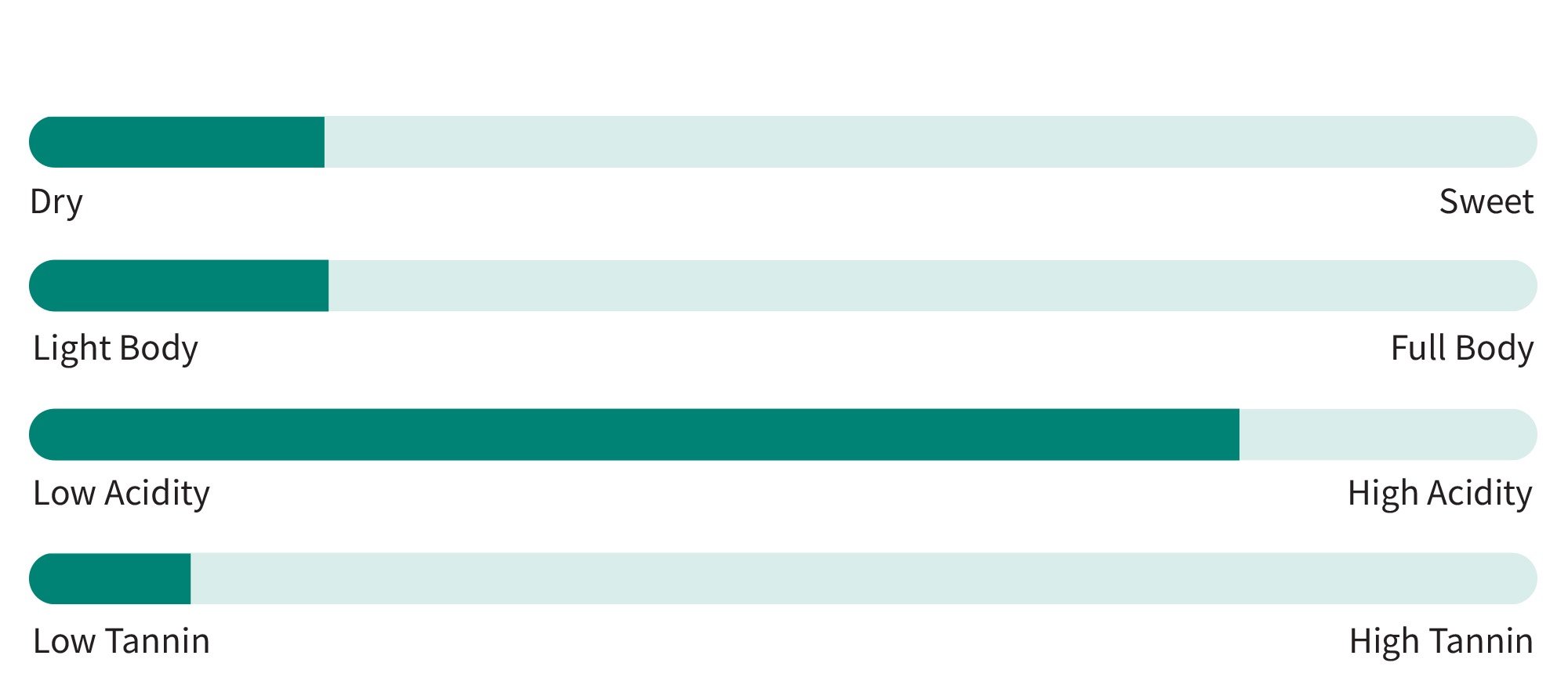
Alvarinho/Albariño grapes are pale greenish grapes that make a very pale white wine with a tinge of yellowish-green. The most outstanding characteristic is Albariño’s high natural acidity, whether made into a still wine or a spritz Vinho Verde. Albariño and Alvarinho wines are dry with a light body.
Primary Albariño/Alvarinho flavors
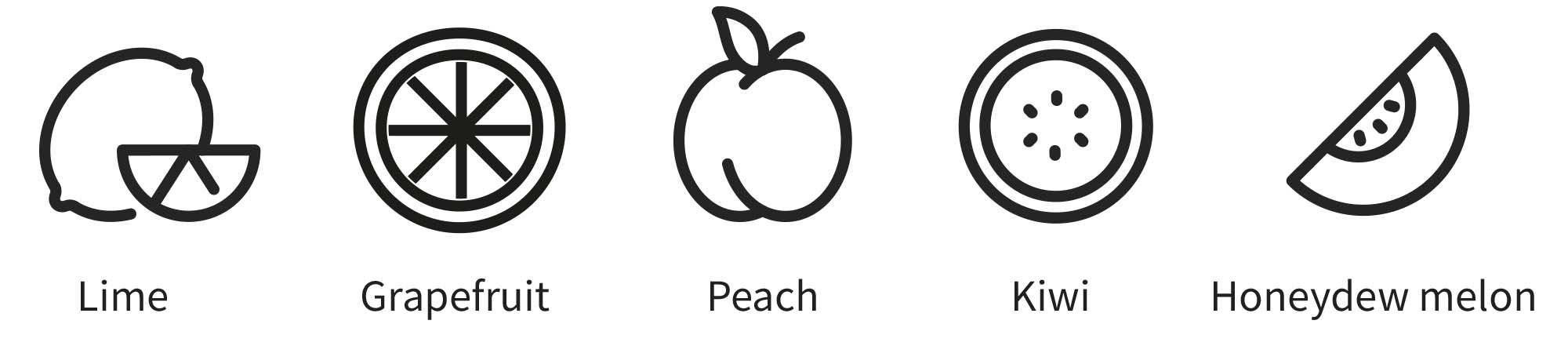
Albariño and Alvarinho create light and refreshing wines with zingy acidity and flavors of citrus, white peach, green kiwifruit, and pale green melon. Some wines can have a hint of ginger, while others made from grapes grown close to the coast will have a salty, mineral note.
4+ Star Rated Customer Picks
Shop Albariño/Alvarinho selections that are rated 4+ stars by our customers!

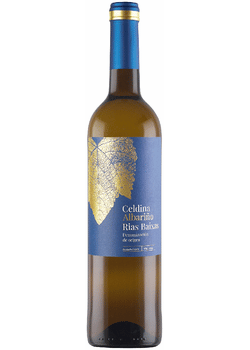
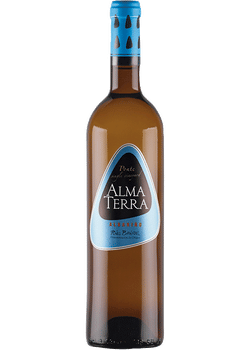
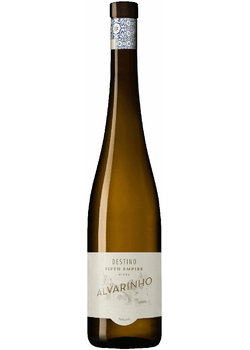
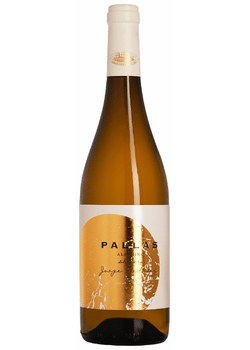
Key Albariño/Alvarinho winemaking regions
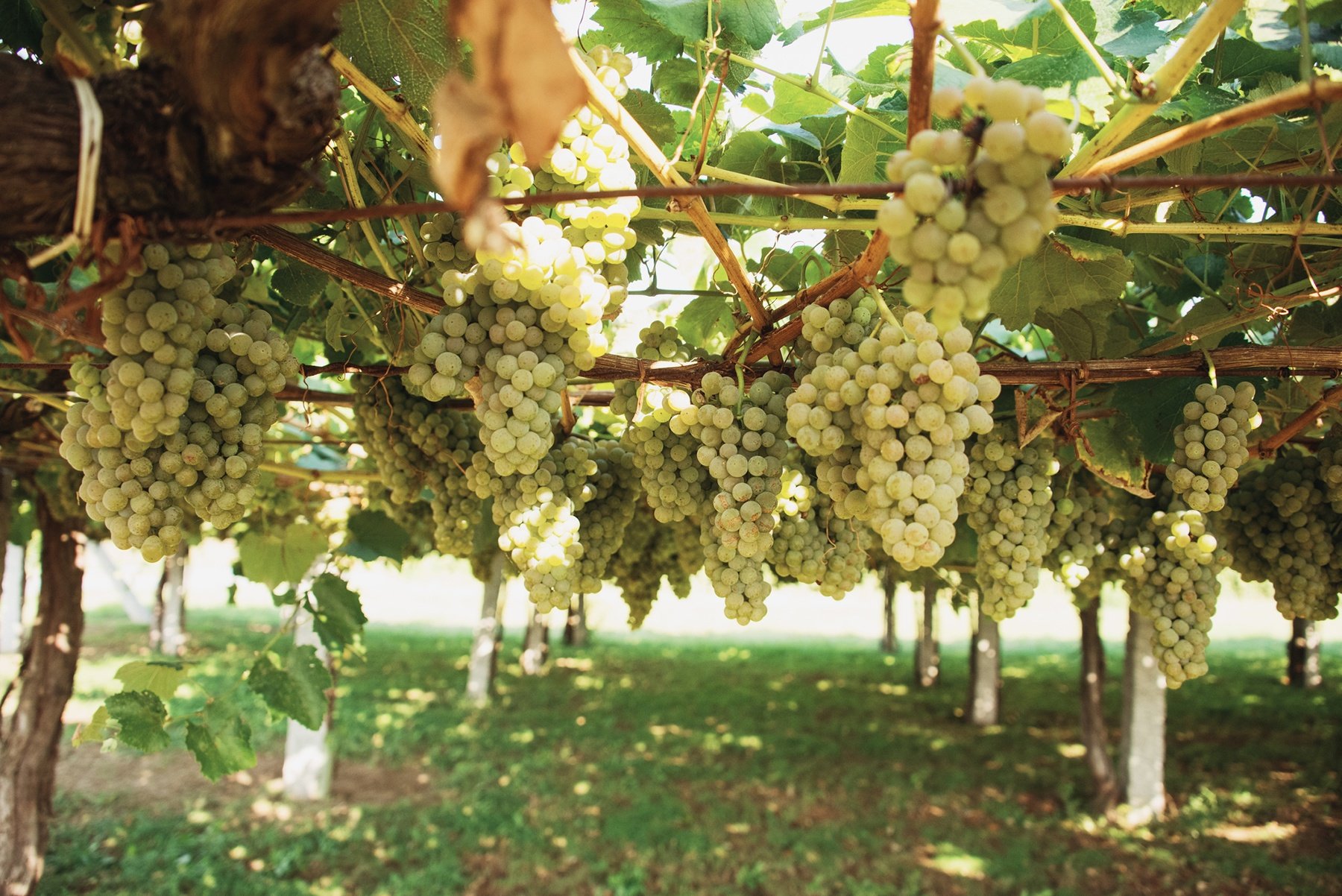
The Albariño grape is a bit of a mystery, and its exact birthplace is unknown, though it hails from the Iberian peninsula. But it’s long been cultivated in both northern Spain in Rias Baixas and north Portugal. The grape thrives in the cool and damp coastal climate and is often trellised, so it doesn’t pick up mold on the soggy ground. Albariño has also found a home in California’s Central Coast, Gold Country, the Carneros, which spans Napa and Sonoma counties, Oregon, and Washington.
Spain
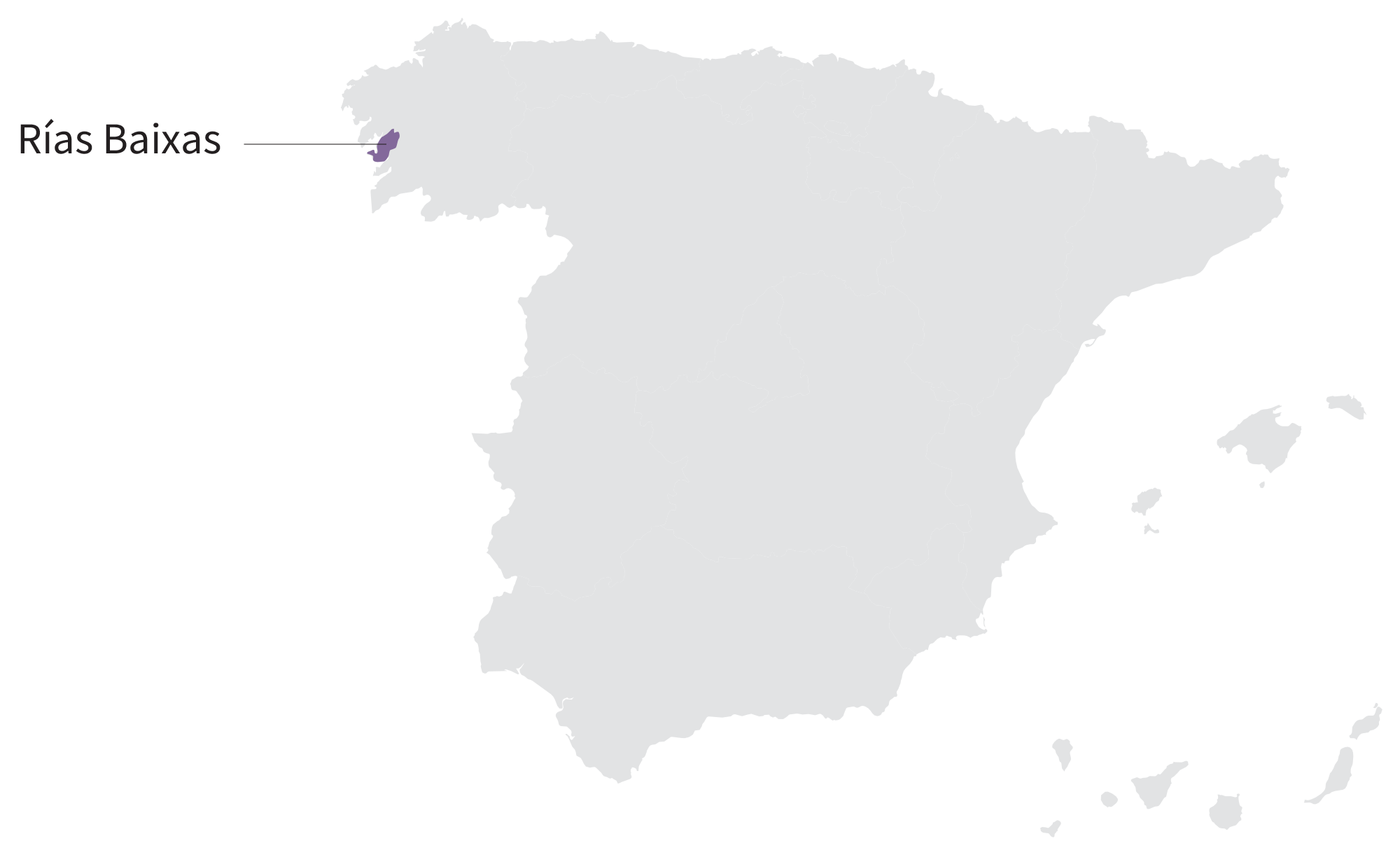
Albariño is Spain’s most famous white grape, and it’s synonymous with the part of Galicia known as Rías Baixas (pronounced REE-us bye-SHUS). Rias Baixas takes its name from the skinny, finger-shaped inlets that punctuate the coastline. It’s a rainy area with a maritime climate that can be extreme. Spanish Albariño is full of white peach, lime, grapefruit, and honeydew melon, sometimes offset by a touch of salt thanks to the ocean nearby.
Portugal
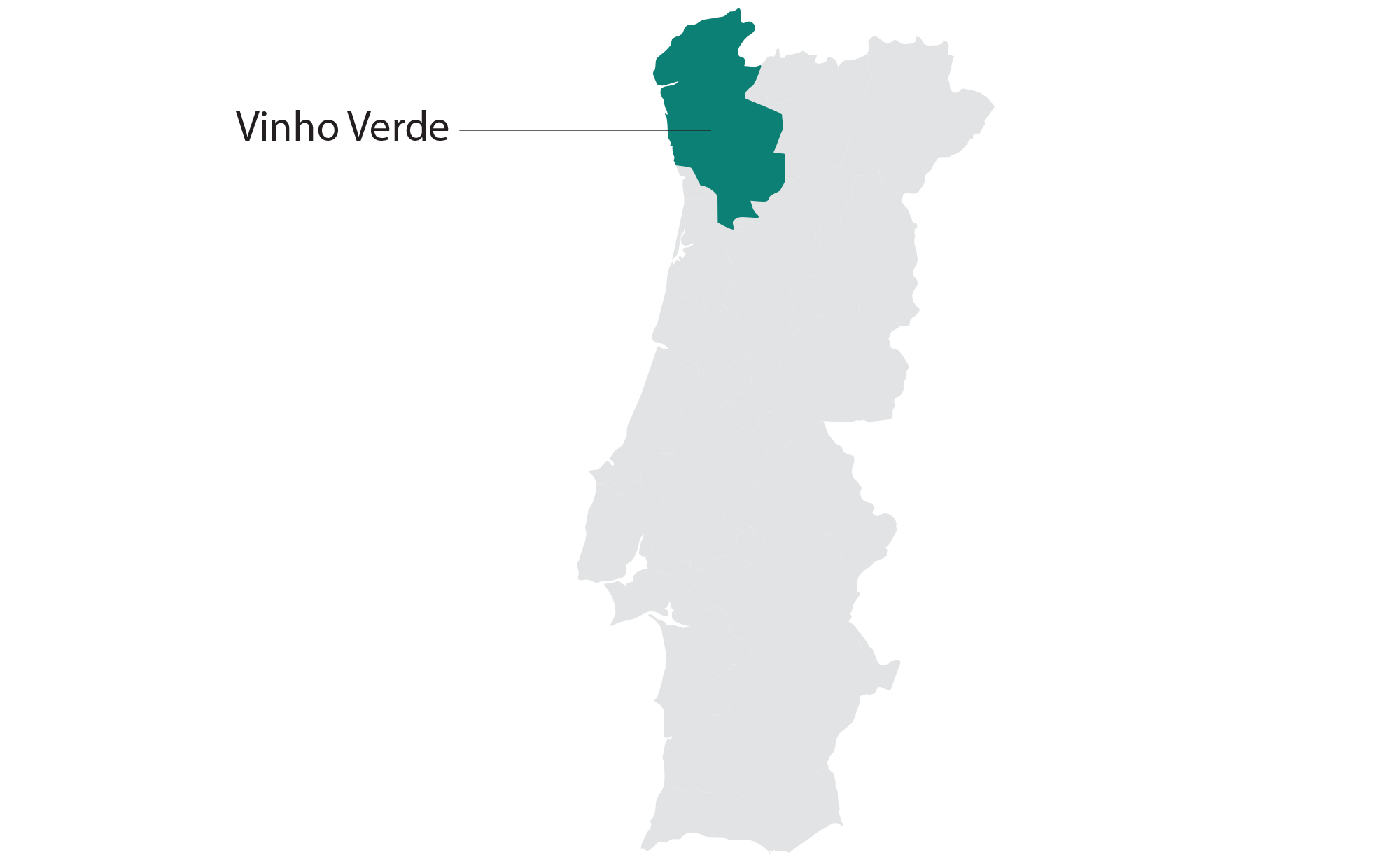
Alvarinho is a standout in Portuguese wine, and it was one of the first varietals bottled as a single varietal instead of as a blend. Alvarinho thrives near the Minho River, and it makes easy-drinking wines, including lightly sparkling Vinho Verde and still white wines. Younger wines show notes of peach, white flowers, lime, ginger, passionfruit, lychee, and orange blossom. With some age, the flavors become more vibrant and luxurious.
California
While some of Napa Valley’s most acclaimed winemakers are fond of Albariño, they’re often sourcing the grapes from the Gold Country and other areas where the vineyard land is less expensive. Grown at a higher elevation and kissed by neutral oak, these are Albariños with complexity and layers of peach, minerality, and lime zest.
Alvarinho/Albariño food pairings
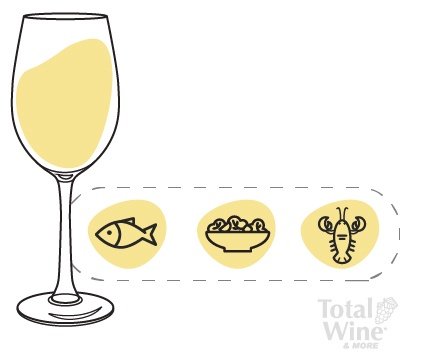
Alvarinho’s acidity is an ideal foil for more decadent dishes like seafood risotto, bacalao fritters, and tinned fish. A classic pairing is Albariño and grilled octopus; it’s also perfect with sushi. Goat cheese, Manchego, and feta are lovely with Albariño. It’s also the kind of wine you could pair with a Caesar salad or light and fresh herbal dishes like Vietnamese summer rolls, Spain’s pan con tomate, or grilled pimientos de padrón or shishito peppers.
How to store, serve, & enjoy Albariño/Alvarinho
White wines with higher acidity, including Albariño, taste best when well chilled to around 50 degrees Fahrenheit. Serve it in the same glass you use for Sauvignon Blanc and other white wines.
If you have a taste for more aromatic and refreshing white wines, take a look at our guides to Sauvignon Blanc, Cava, and Spanish wine regions.