Ale yeast strains tend to ferment at warmer temperatures (59°- 69°F), resulting in a shorter fermentation and aging. Ale yeasts can produce esters—aroma and flavor compounds—during fermentation, which often impart the fruity and sometimes spicy characteristics for which ales are generally known.
Belgian
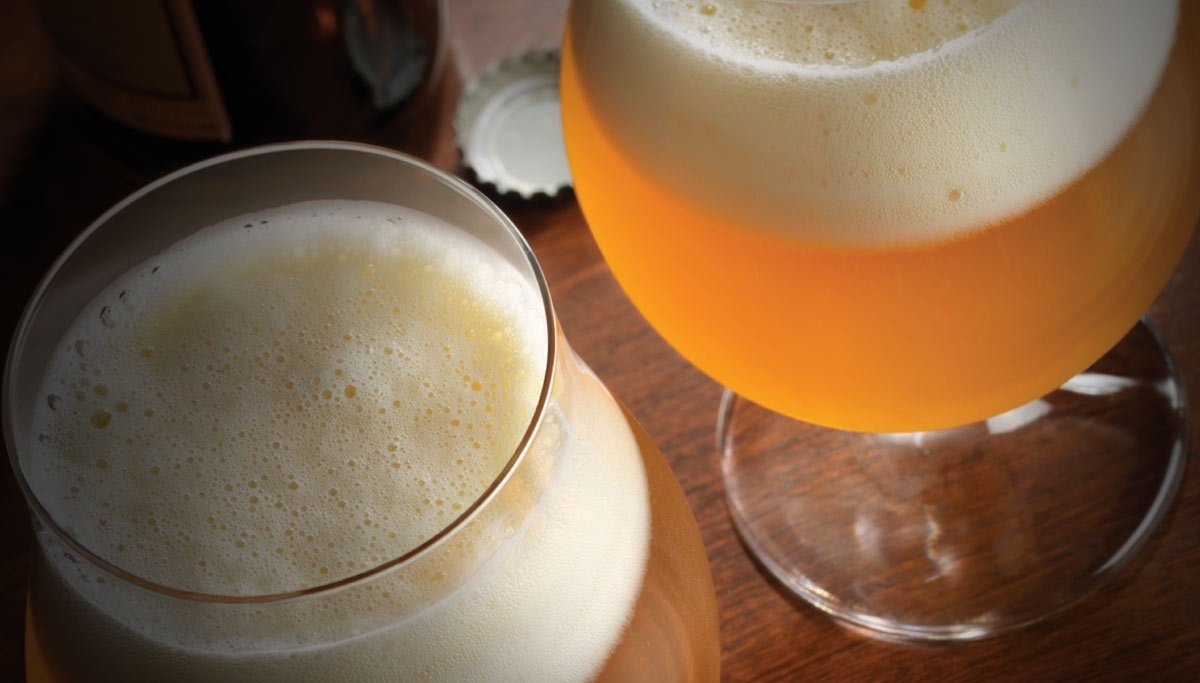
Beer making and consumption in the region that is now Belgium dates back more than 2,000 years, and for the area’s early residents – the Gauls – the women of the family were the most common homebrewers.The Gauls invented wooden barrels and were first to use them for beer-making and storage in lieu of pottery.
IPA & Pale Ale
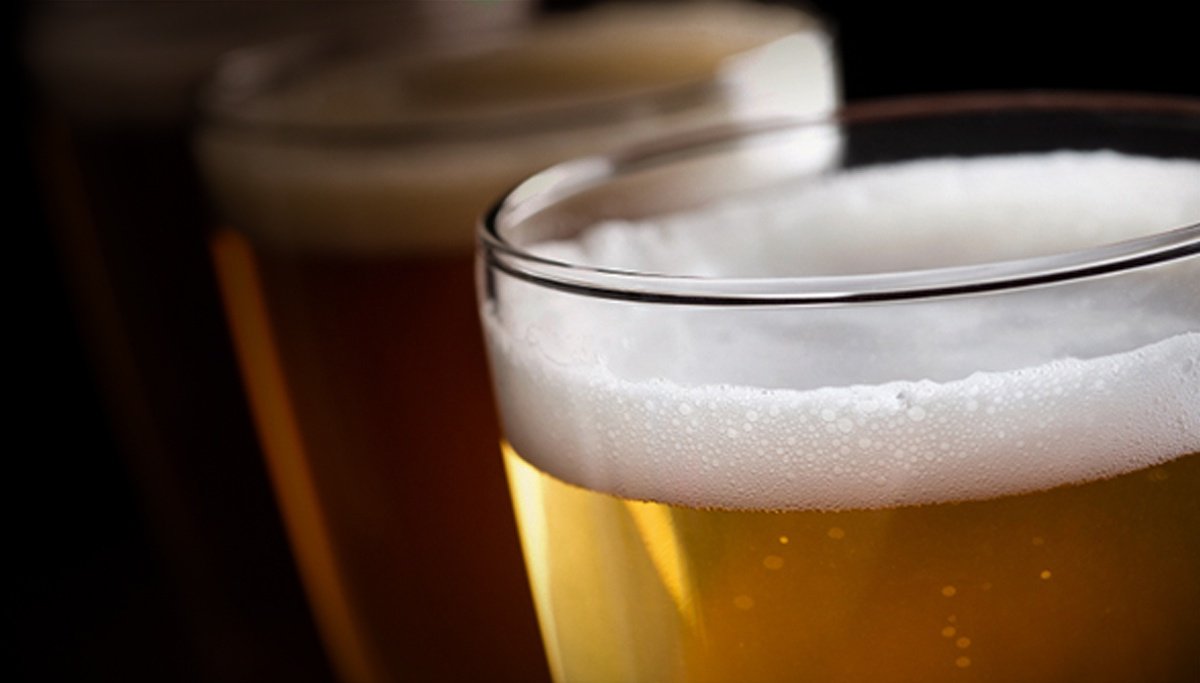 India Pale Ale, in its multiple variations, is one of the most popular beer styles among craft beer drinkers. It’s a brew that has evolved over time since modern pale ale originated in England in the 1600s, though some form of the drink quite likely dates back to the ancient Sumerians.
Learn More About IPA And Pale Ales
Stout
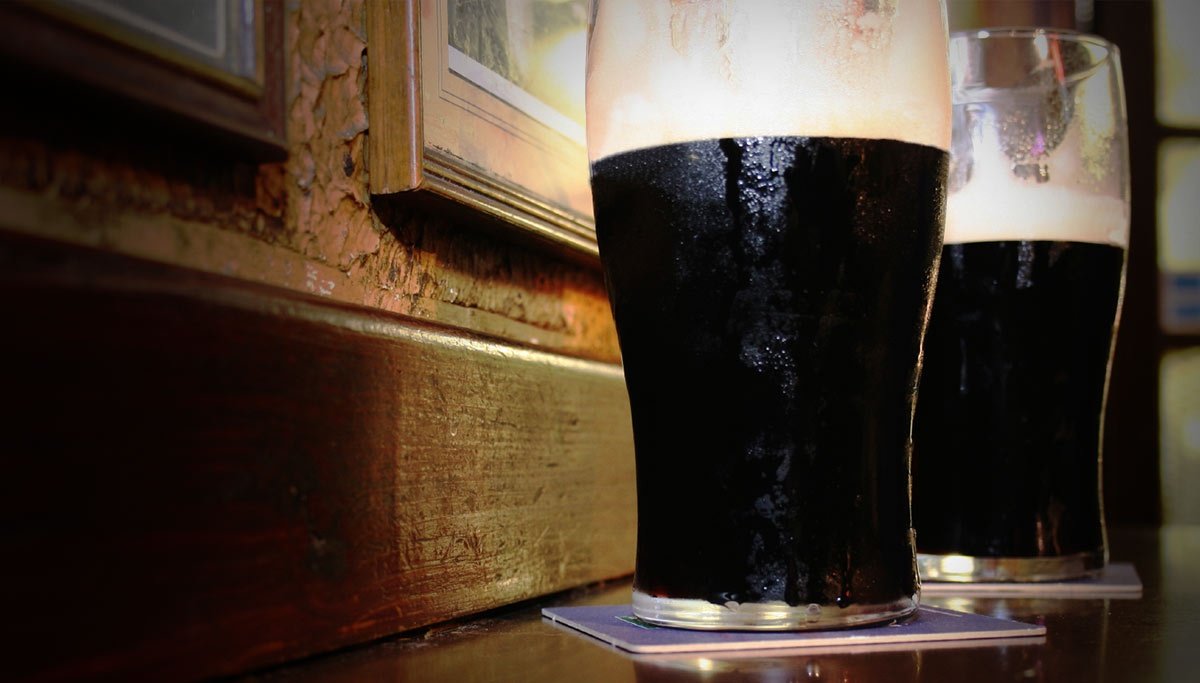 Throughout the 1700s to early 1800s in England, the word “stout” was often used for both Brown Stout and Pale Stout, where stout meant strong, regardless of beer color. Across this same time period and into the early 1900s, English brewers and drinkers used the words “Strong Porter” and “Stout” for the same beer. So Stout Beer as we know it today originated as Strong Porter.
Strong Ale & Barley Wine
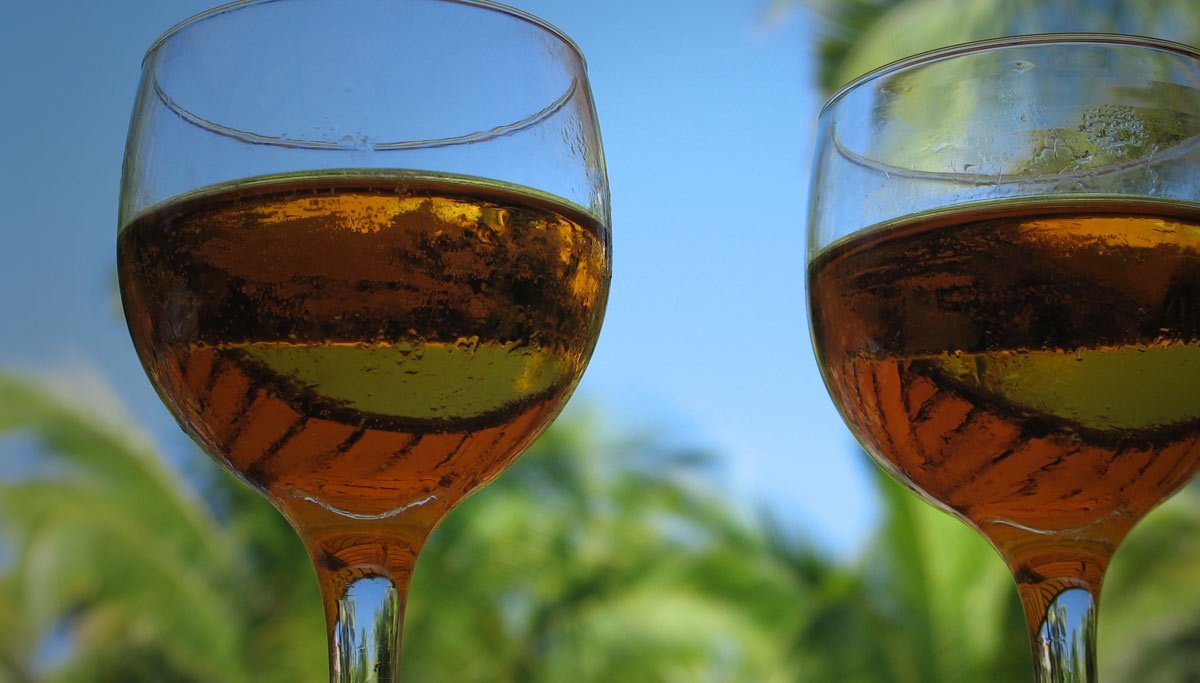
Strong ale and barley wine selections include multiple Old World and New World beer styles that are big in flavor and generally high in alcohol – 6 percent ABV or higher – yet do not fall into another established category. So intense flavors and high alcohol earn these big beers the “strong” adjective, which provides a way to group them for discussion and categorize them within the myriad styles across the beer spectrum.
Learn More About Strong Ale & Barley Wine
Wheat
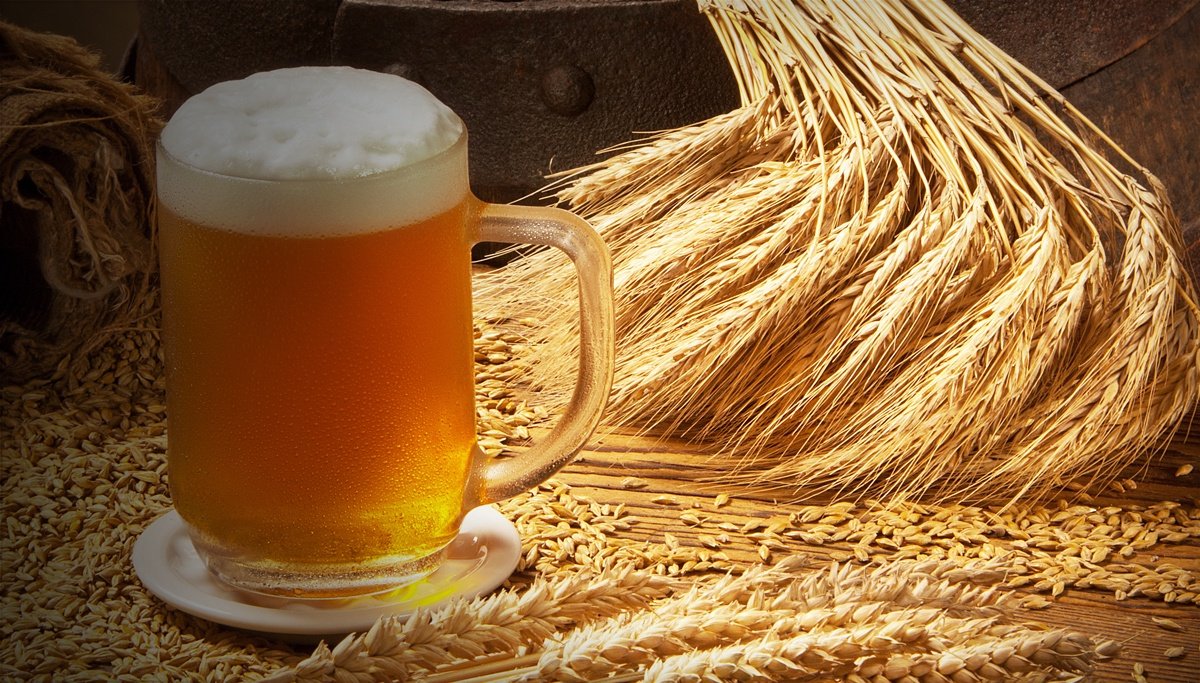
Wheat beer, also referred to as wheat ale, is generally defined as beer brewed with malted or unmalted wheat making up 30 to 70 percent of the grist (grain) bill. Wheat imparts a clean, unobtrusive grain flavor, unlike the many varieties of malted barley that contribute significantly to the unique flavors of beer.