English seafarers delivered the first vines to Australia in 1788, and within a few decades were exporting thousands of gallons of wine back home. Settlers learned that conditions on the New World continent varied from tropical in the north to desert in the central regions, making grape-growing impossible in much of the country.
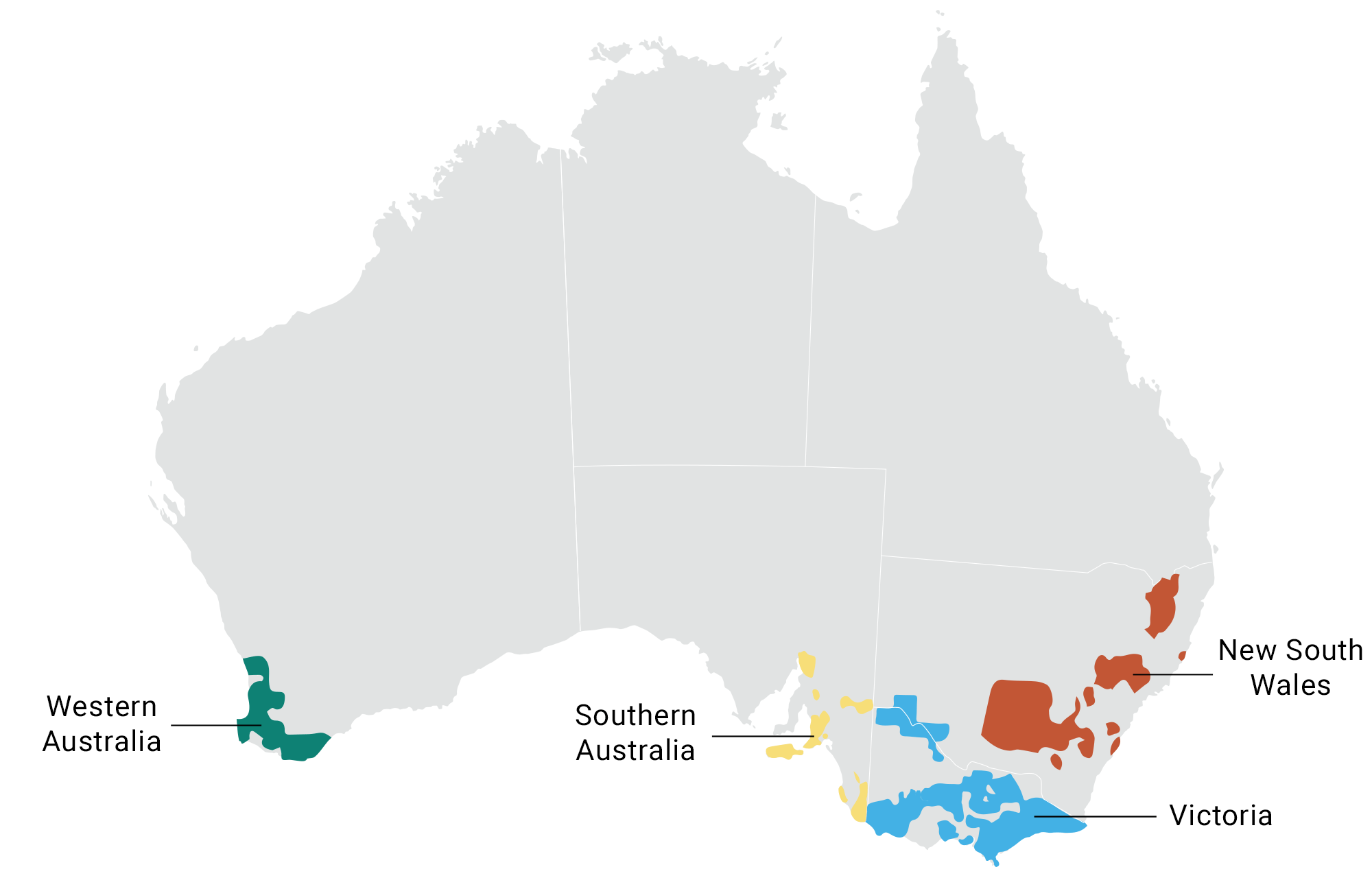
But vineyards thrived in the coastal areas and river valleys of the states of Western Australia, South Australia, Victoria, and New South Wales. Today more than 100 different grape varieties are planted there.
Because of their position in the Southern Hemisphere, the more than 60 recognized Australian wine regions benefit from generous sunshine, low humidity, and little rainfall throughout the year. Their bountiful harvests typically take place six months before harvests in the Northern Hemisphere.
5 facts to know about Australian wine
-
Australia is the sixth-largest producer of wine in the world.
-
The country’s designated winegrowing areas are comprised of 28 zones with 65 regions and 14 sub-regions, with most vineyards located in the South Eastern Australia “super-zone”.
-
The most widely grown grape is Shiraz (Syrah), producing deeply colored red wines with dark berry flavors and spice.
-
More than 100 grape varieties are planted in Australia but none of them are indigenous to the country.
-
The South Australian regions are among the few places in the world to never be hit by phylloxera. Many vineyards are still planted using the vines’ own rootstocks.
Australian Grape Varieties
Australia, like the United States, follows the New World tradition of categorizing wines by grape variety. Australia’s top five varietals are Shiraz, Cabernet Sauvignon, Merlot, Chardonnay, and Sémillon.
Shiraz
Shiraz is the best-known and most widely planted varietal of Australian red wine. Rich, full-bodied, and potent when grown in warm climes, Australian Shiraz may be showcased on its own or blended with Cabernet Sauvignon or Merlot.
Chardonnay
Chardonnay is the predominant Australian white wine. The quintessential oaky New World style is produced here, as is, increasingly, a crisper and more balanced Chardonnay, grown in the country’s cooler zones.
 Australian winemakers also produce sparkling wines in a range of styles, from classic blends of Champagne varietals to a unique, off-dry sparkling Shiraz. Excellent sweet and fortified dessert wines are also produced throughout Australian wine country.
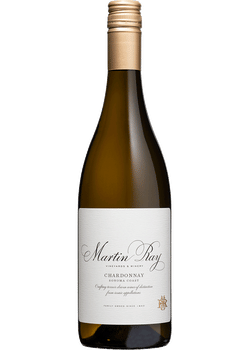
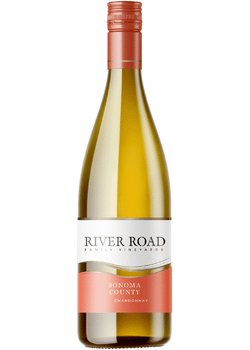
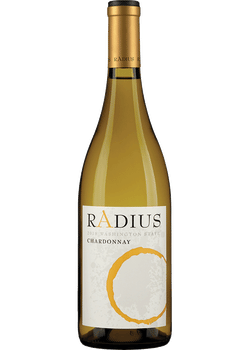
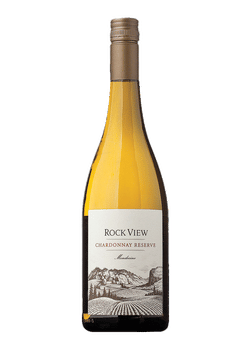
Top Customer Rated Chardonnay


Australian Wine Labels & Laws
As in most other wine-producing countries, the narrower and more prestigious the geographical region declared on an Australian wine label, the more distinctive the wine. By law, if an Australian wine claims to be from a specific region, at least 85 percent of the wine’s grapes must have been grown there.
As a result, many of Australia’s value-oriented wines carry the broad South Eastern Australia zone label, which encompasses five states and covers nearly 95 percent of Australia’s vineyards. Producers often use this designation when they strive to create a consistent house style by blending grapes from different regions.
Australian Wine Regions
Australia is home to over 100 different grape varieties and 65 wine regions. Each wine is shaped by the remarkable land around it and the vibrant communities that cultivate the grapes. We’ll dive into the regions within the four major states, South Australia, Victoria, New South Wales, and Western Australia.
South Australia
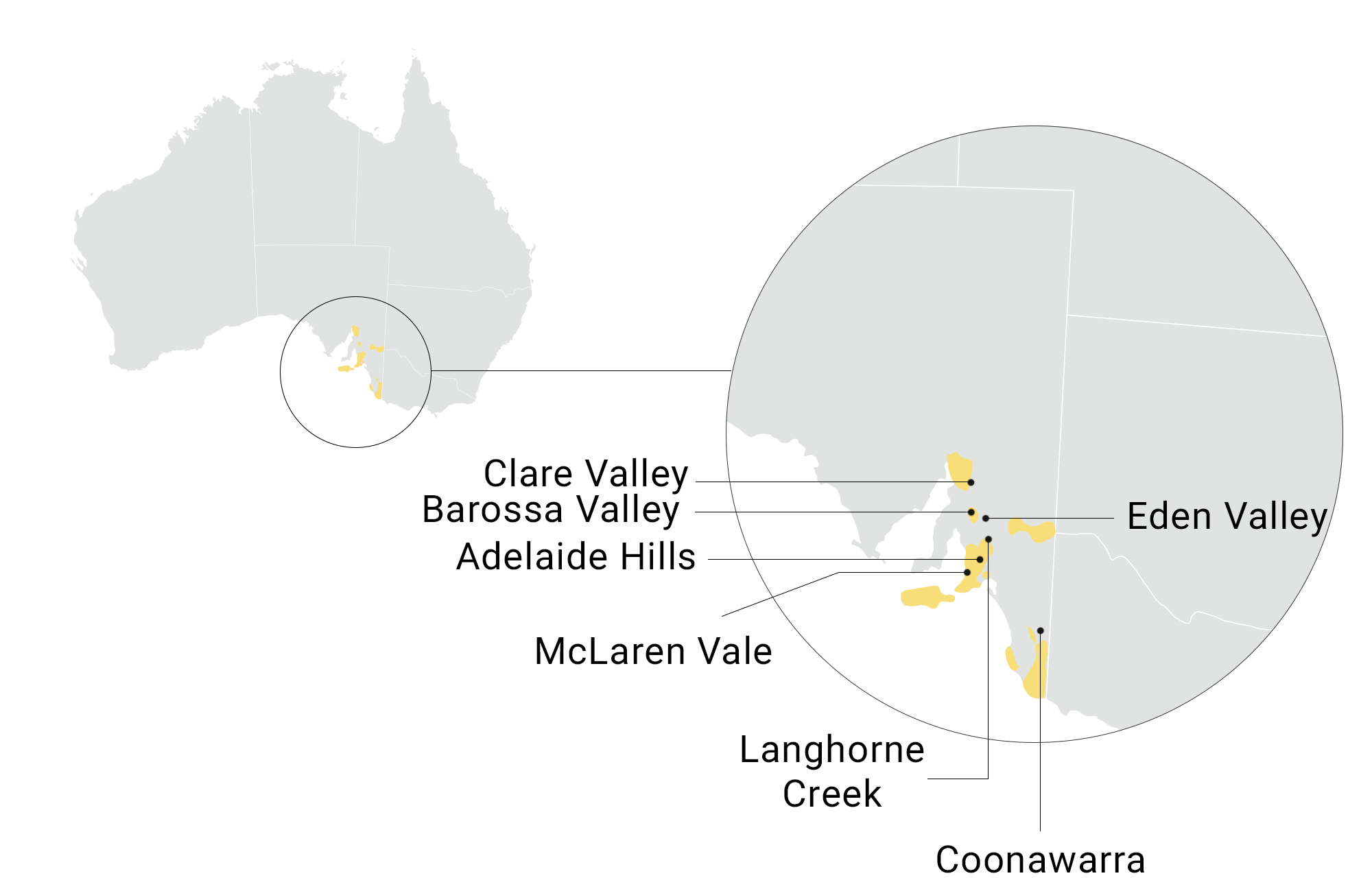
Straddling the center of the Australian continent, the state of South Australia is home to the best Australian wine regions and produces many of its most popular wines. South Australia wine regions range from the relatively warm temperate climate of the Barossa Valley to the maritime precincts of McLaren Vale and Langhorne Creek on the Fleurieu Peninsula, as well as the cool Adelaide Hills region.
Clare Valley
Beautiful and diverse, the Clare Valley region is made up of a group of small, elevated valleys north of Adelaide and the Barossa Valley.
Cabernet Sauvignon and Shiraz are the area’s most successful red varieties. In some sections of Clare Valley, cooled by ocean breezes from the south, Riesling is grown with great success, producing dry and age-worthy white wines with lots of acidity and citrus flavors that become honeyed and toasty with age.
Barossa Valley
If South Australia is “what California is to the USA,” wine writer Hugh Johnson notes, then Barossa Valley is its Napa Valley. The Barossa Valley boasts the highest number of vineyards of any Australian wine region, producing popular full-bodied wines with bold fruit flavors.
The Barossa Valley is characterized by rolling hills and valleys reminiscent of Napa. Unlike Northern California, however, much of the Barossa Valley region can be unseasonably warm and dry. Hot summer days and relatively infertile soils force vines to grow deep roots to reach moisture and nutrients.
The classic Barossa Valley wine is a ripe, concentrated, and high-alcohol red made from Australia’s flagship red grape, Shiraz. Cabernet Sauvignon and Grenache are other red varieties that thrive in the Barossa Valley.
Eden Valley
Within the Barossa zone is Eden Valley, where higher altitudes and cooler weather make it an ideal spot for producing fine white wines, including Chardonnay and Riesling.
Riesling grapes do particularly well in cooler areas where they produce wine with citrus fruit flavors of lime and grapefruit with a steely character. As they age, they can develop richer flavors of marmalade and toasty notes.
Adelaide Hills
Adelaide Hills is located just south of Barossa and Eden Valleys. Vineyards are located at higher elevations resulting in a slightly cooler climate. This makes Adelaide ideal for Burgundian grapes, Chardonnay and Pinot Noir, as well as Sauvignon Blanc. Some sparkling wine is also made here with classic Champagne varieties.
McLaren Vale
Early in the country’s history, McLaren Vale was the premier Australian wine region. English settler John Reynell was the first to plant grapes there — the first in all of South Australia — in 1838. Other winemakers whose names echo in the present-day industry, including Thomas Hardy and Rawson Penfold, followed soon after. Old Shiraz and Grenache vines thrive in McLaren Vale, with some more than 100 years old and still producing high-quality wines.
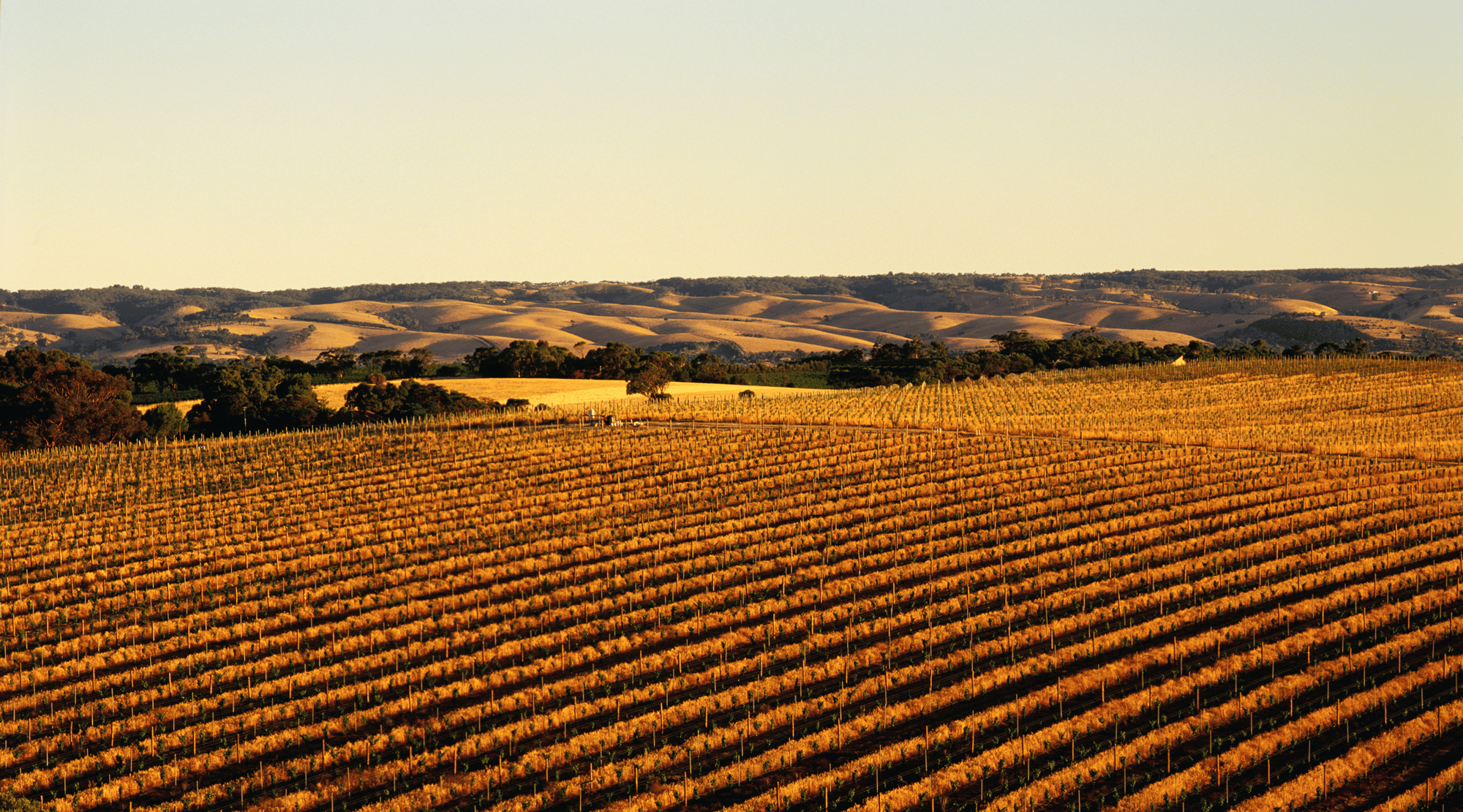
With a mix of stony bluffs and undulating plains, dry valley winds, and balmy sea breezes, the McLaren Vale region offers a wide range of soils and microclimates. And while it might be one of the smaller regions, the wines pack a punch with some of Australia’s most intensely flavored red wines and similarly powerful white wines.
A variety of grapes flourish here: Shiraz, Cabernet Sauvignon, Grenache, Sauvignon Blanc, and Chardonnay, with Shiraz covering over half of the region. Plantings of grape varieties from Spain and Italy are increasing, too.
Langhorne Creek
You’ve likely enjoyed Langhorne Creek Shiraz or Cabernet Sauvignon without even knowing it. The Langhorne Creek appellation, southeast of Adelaide, contributes greatly to popular red wine blends bearing the South Eastern Australia designation, featuring rich, soft Shiraz and Cabernet.
Production of Langhorne Creek wines has increased in recent years as improved irrigation techniques opened new areas for farming. While most of the region’s vines produce high-yield crops valued by large-scale producers, small, independent winemakers are increasing and producing excellent, handcrafted wines.
Coonawarra
Within the Limestone Coast zone, you’ll find the small Coonawarra region. This region is noted for its “terra rossa” soil — red clay soils overlying limestone — that produce elegant red wines. Cooling influences from cold ocean currents help to moderate the region. These geological and climatic factors result in concentrated and structured red wines made from Cabernet Sauvignon, Shiraz, and Merlot. Cabernet especially takes on distinct characteristics of minty, eucalyptus aromas.
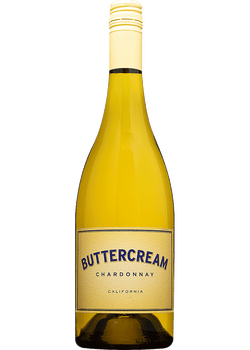
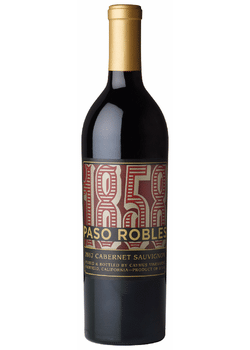
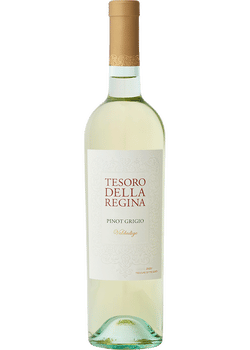
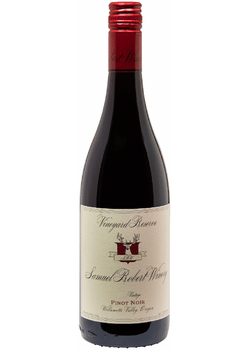
4+ Star Customer Rated







Victoria
Perched on the southeastern edge of the continent, Victoria has the coolest weather in Australia. Many Victoria wines reflect that. The Yarra Valley region, north of Melbourne, is known for elegant and delicate Chardonnay and Pinot Noir wines. In the Alpine Valleys region, Italian varieties such as Sangiovese and Barbera have found success alongside Chardonnay, Shiraz, and Cabernet.
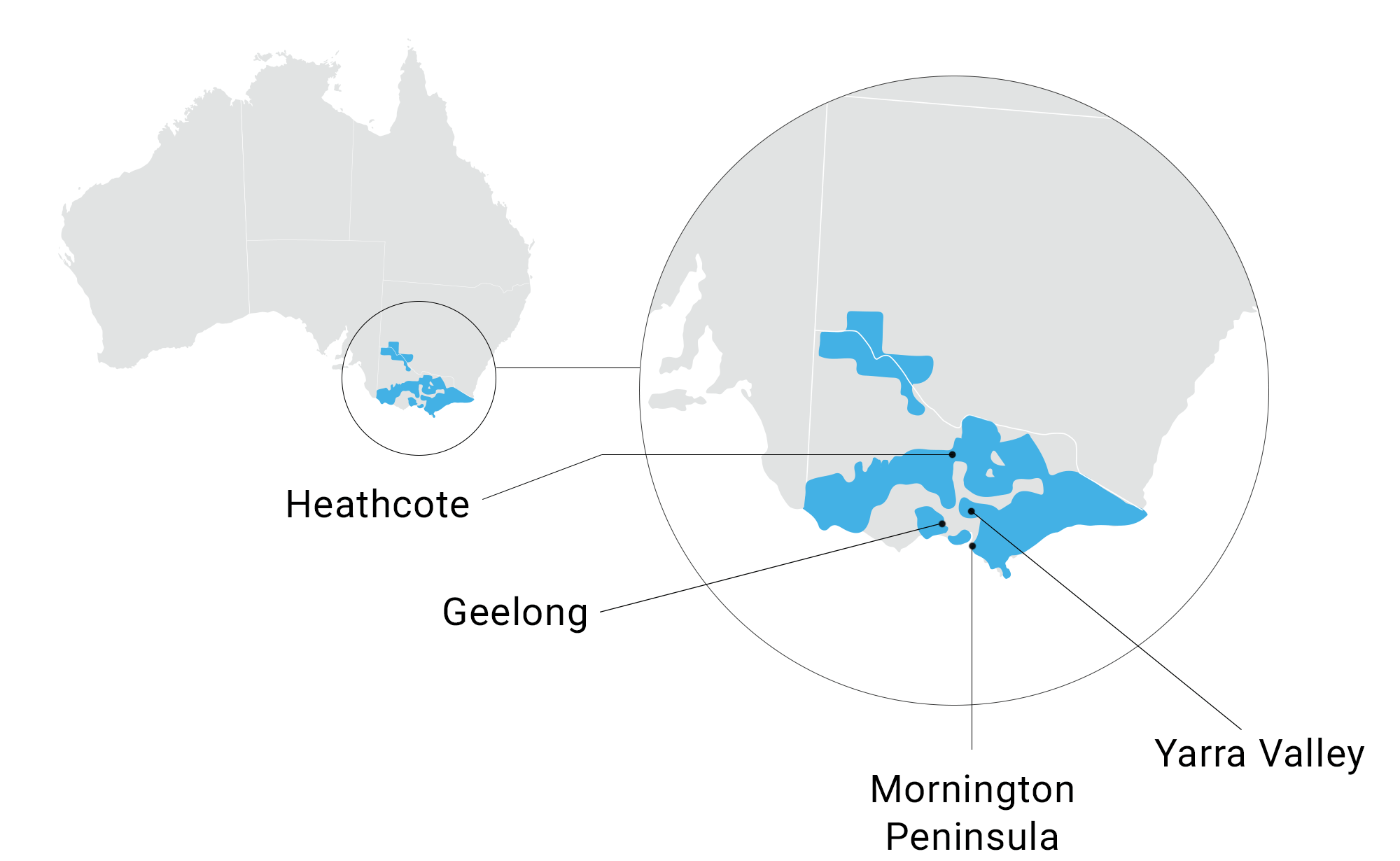
Further inland, the weather turns warmer. To the northwest, flat and fertile fields in the Murray Darling region supply large-scale wine producers. Slightly further south in Heathcote, a more varied terrain produces dark and intensely flavored Shiraz wines. To the east, Rutherglen is known for unique fortified dessert wines made from Muscat, which boasts sweet fruit flavors.
Yarra Valley
The Yarra Valley has long been part of Australia’s wine history. It’s the site of the first vineyards planted in the state of Victoria, in 1838. As local farming and mining industries flourished in the second half of the 19th century, so did the area’s winemaking.
Just a bit inland from Australia’s southernmost coast, the Yarra Valley produces excellent cool-climate wines — elegant and dry styles made from slow-ripening grapes. This region is considered one of Australia’s best sources of Burgundian varieties Pinot Noir and Chardonnay, as well as excellent Cabernet Sauvignon, Merlot, and Shiraz.
Mornington Peninsula
Mornington Peninsula is one of the smaller regions within Victoria. It is located on the coast to the east of Melbourne. Almost surrounded by water, this region has a cool maritime climate capable of producing elegant and fragrant wines. Pinot Noir and Chardonnay both grow well here. Pinot Noir ranges from light and delicate to structured and fruity. Chardonnay tends to have vibrant citrus, pear, and apple fruit with lots of acidity and a touch of cream or butter aromas.
Geelong;
Across the Port Phillip Bay from Mornington Peninsula, Geelong has a similar cool climate. Chardonnay and Pinot Noir also dominate the region producing concentrated and complex wines. Shiraz grown here makes fresher, peppery expressions of the grape. You can also find sparkling wines made from Chardonnay and Pinot Noir.
Heathcote
Both the climate and soils of the Heathcote region are strongly influenced by the Mt. Camel Range, which runs north to south in the state of Victoria. The slopes of Mt. Camel, Mt. Burramboot, and others in the range provide a natural funnel for cool winds all summer long. The region’s vineyards are planted in mineral-rich Cambrian soil known locally as the Heathcote Greenstone Belt. Shiraz and Cabernet Sauvignon dominate plantings and thrive in the soil, producing intensely flavored wines.
New South Wales
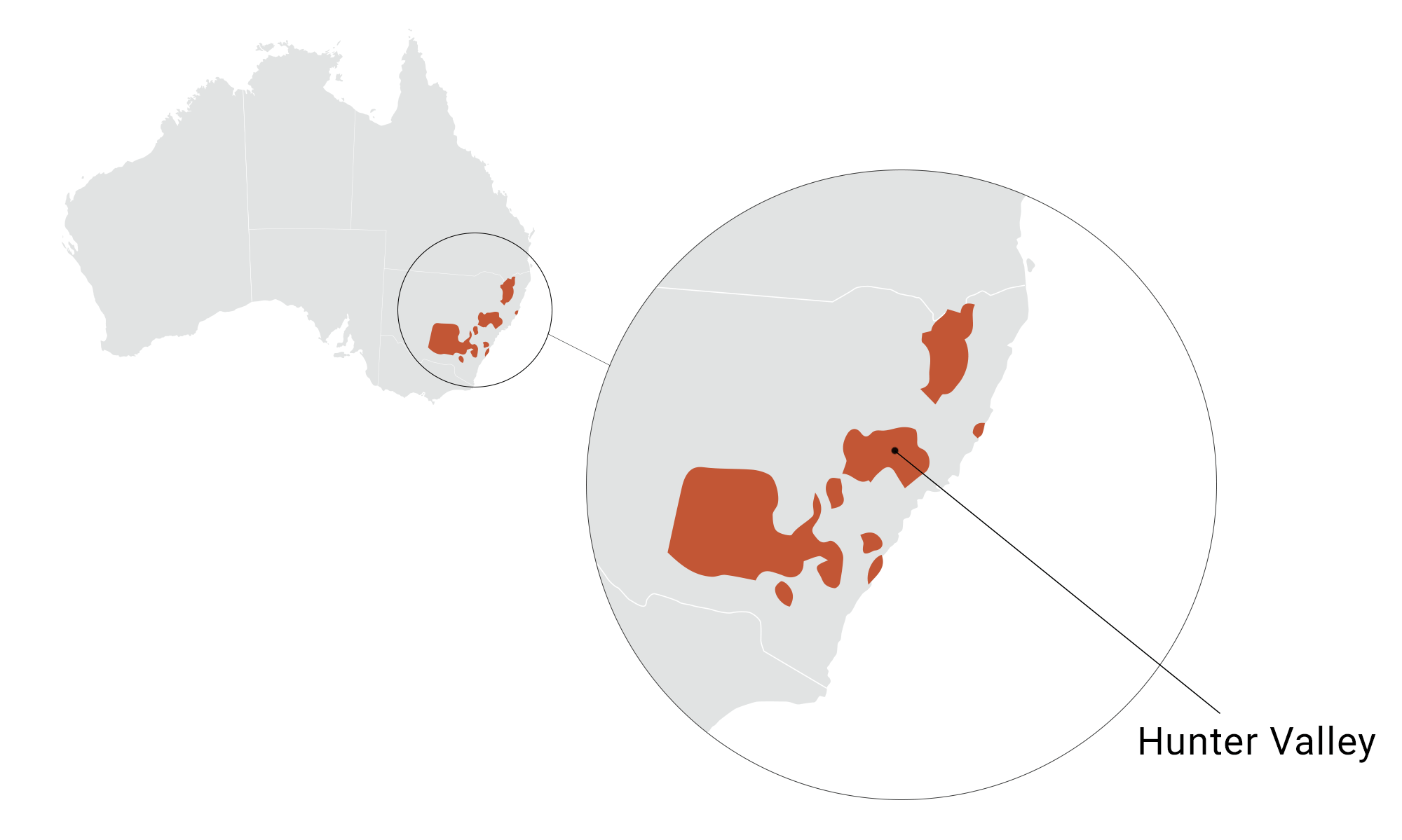
Moving further north towards the equator, New South Wales is much warmer than southern Victoria. Riverina is home to many large-volume producers, similar to Murray Darling in Victoria and Riverland in South Australia. Many wines from this region are simply labeled South Eastern Australia.
Hunter Valley
Along the eastern coast of New South Wales, Hunter Valley is one of Australia’s most northerly wine-growing regions. Because of the more northerly latitude, getting closer to the equator, it is a very hot and humid region. Coastal breezes and cloud cover enable this region to grow grapes. The white French grape, Semillon is the most planted variety. Wines are generally light-bodied with low alcohol and very high acidity. When young and fresh they have lime and white pepper aromas. With age, the wine becomes toasty, nutty, and honeyed. Chardonnay and Shiraz are also grown here.
4+ Star Customer Rated
Western Australia
The state of Western Australia was home to some of Australia's first winemaking, as early as 1834. Viticulture first took root north of the capital city, Perth, in the southwestern corner of the continent. Despite the region's proximity to the ocean, hot winds from the desert-like interior kept summers baking hot. So Western Australia winemakers were resigned to making some white wines and hearty, fortified dessert wines from super-ripe grapes.
In the 1960s, however, winemakers began exploring Western Australia’s coastal areas further south, where the cooler, damper climate allows grapes to ripen more slowly and produce a wider range of styles. Today, Western Australia's premier wine regions include the Great Southern and Margaret River appellations and are home to a growing number of ambitious and independent winemakers.
Margaret River
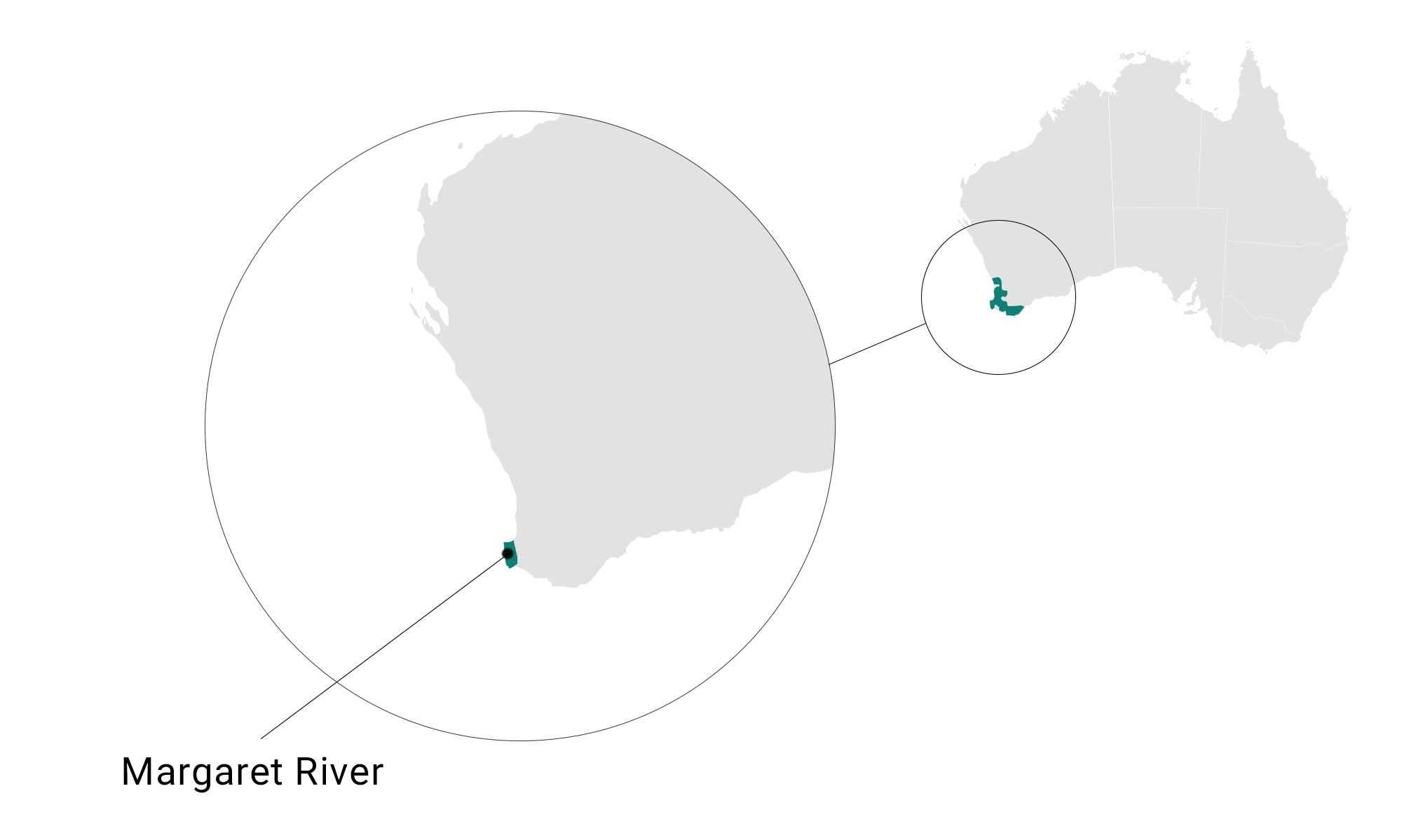
The Margaret River region is located on a peninsula that hangs in the Indian Ocean along the coast of Western Australia. This region was known only as a surfer’s paradise until the first vines were planted in the mid-1960s. The excellent potential of the region’s wines was quickly established, and in fewer than 50 years, the number of Margaret River winegrowers has grown from zero to more than 200.
The same qualities that make Margaret River terrific beachfront property help to create outstanding wines. The wines benefit from the Mediterranean-style climate, with consistently moderate temperatures and dry summers. The gravelly, sandy soils drain easily, and inland rolling hills and forests protect vineyards from strong ocean winds.
The result is elegant and flavorful wines. Cabernet Sauvignon wines were the first to win critical acclaim, and many are now blended with Merlot to achieve a graceful Bordeaux style. Chardonnay and Shiraz are among other successful varieties.
4+ Star Customer Rated
Discover more about the grape varieties grown in Australia with our guides to Syrah (Shiraz), Chardonnay, and Cabernet Sauvignon.