
Just the word Burgundy evokes a knowing smile, and a memory of the last Burgundy tasted. Maybe it was a clean, mineral Chablis, a lush Meursault, or an elegantly powerful Pinot Noir from Gevrey-Chambertin. The wines of Burgundy, France have such beguiling personalities and flavors.
While Bordeaux is about blending, Burgundy’s best wines are the pure expression of one grape grown in a single piece of vineyard. The wines are sensual in their textures and aromas that blend earth, flowers, and fruit. Burgundy is for lovers, intellectuals, and dreamers. And fortunately, Burgundian wines range from everyday affordable regional and village wines to highly collectible Premier Cru and Grand Cru bottlings.
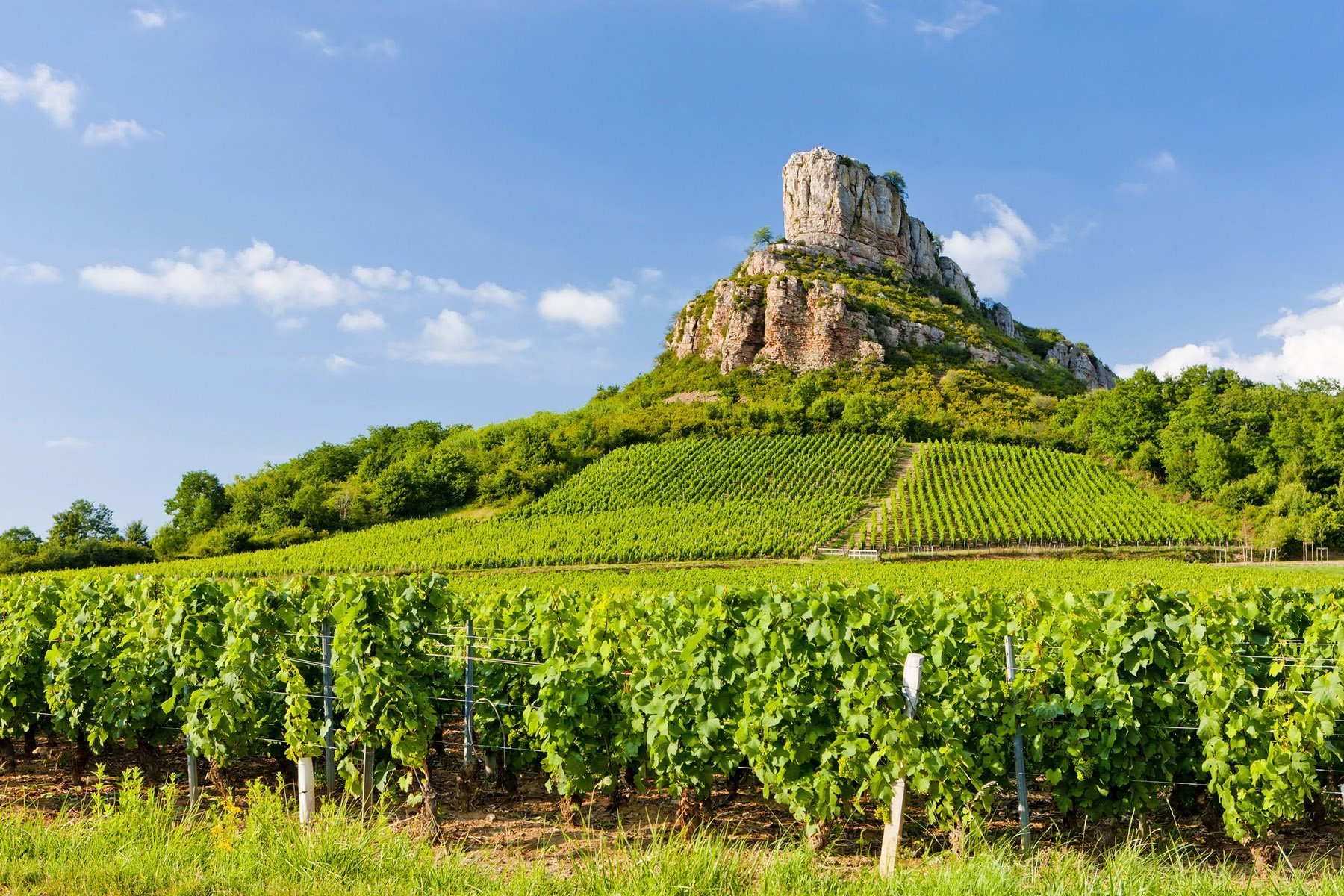
5 Facts to Know About Burgundy
-
Burgundy is a quintessentially French wine, but the area’s name comes from the German Burgondes tribe who named the area Burgundia during the Dark Ages.
-
Burgundy comes down to two grapes: Pinot Noir and Chardonnay, known as red Burgundy and white Burgundy, with a sprinkle of red Gamay and white Aligoté.
-
Burgundy is somewhat chilly, so the wines have distinctive brightness and acidity that make them ideal with food.
-
Monks held large vineyards and were instrumental in making early wines and classifying regions and vineyards according to soil and wine quality.
-
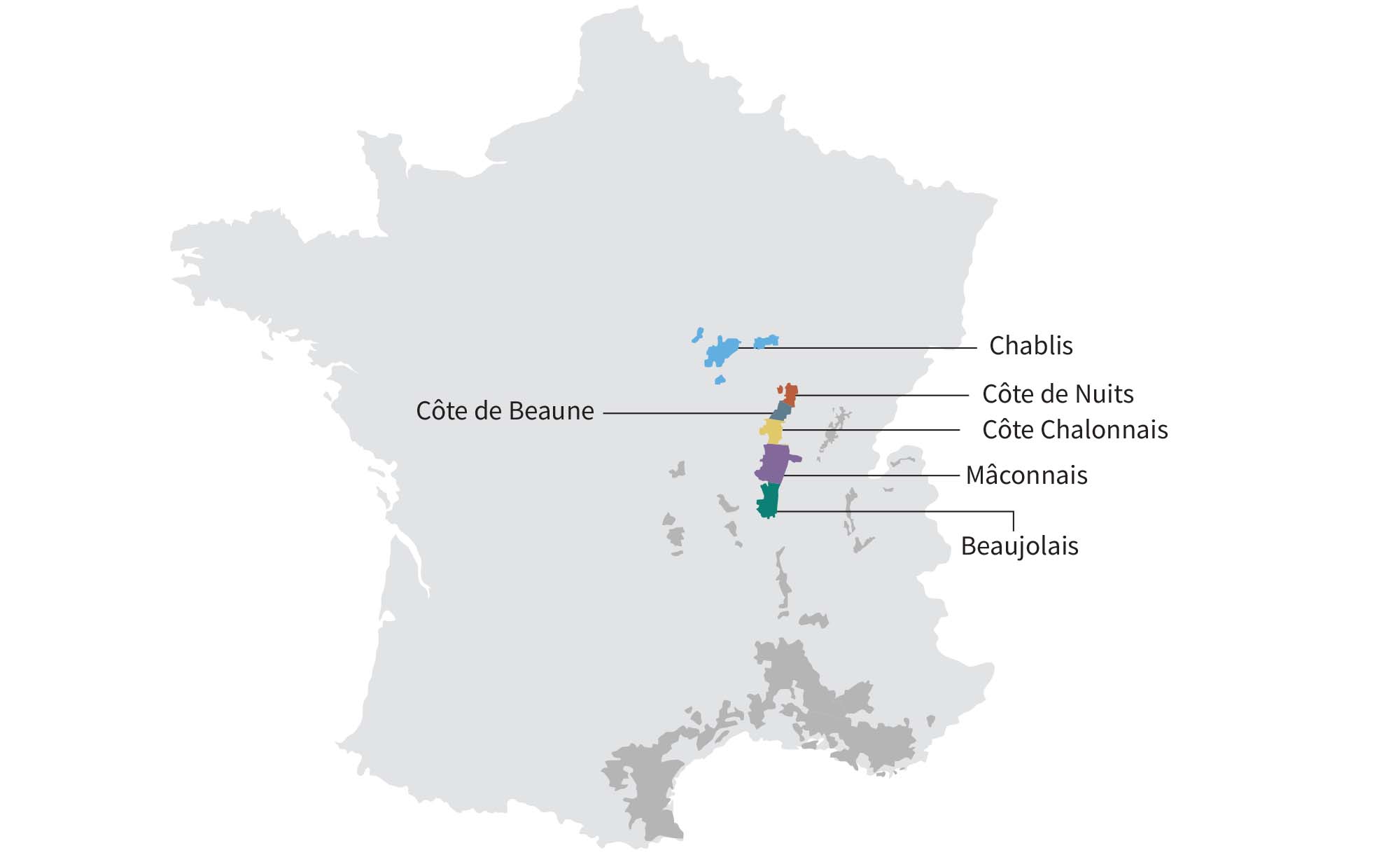
The four main regions of Burgundy are the Côte d’Or, Côte Chalonnaise, Chablis, and the Mâconnais.
What is Burgundy wine?
Burgundy is the general name for wines made in France’s Burgundy region. White Burgundy is Chardonnay, while red Burgundy is Pinot Noir.
Burgundy is just as iconic as Bordeaux, but the two regions have different soils and climates, so they specialize in different grapes. Bordeaux is known for Cabernet Sauvignon and Merlot, while Burgundy is the land of Pinot Noir and Chardonnay.
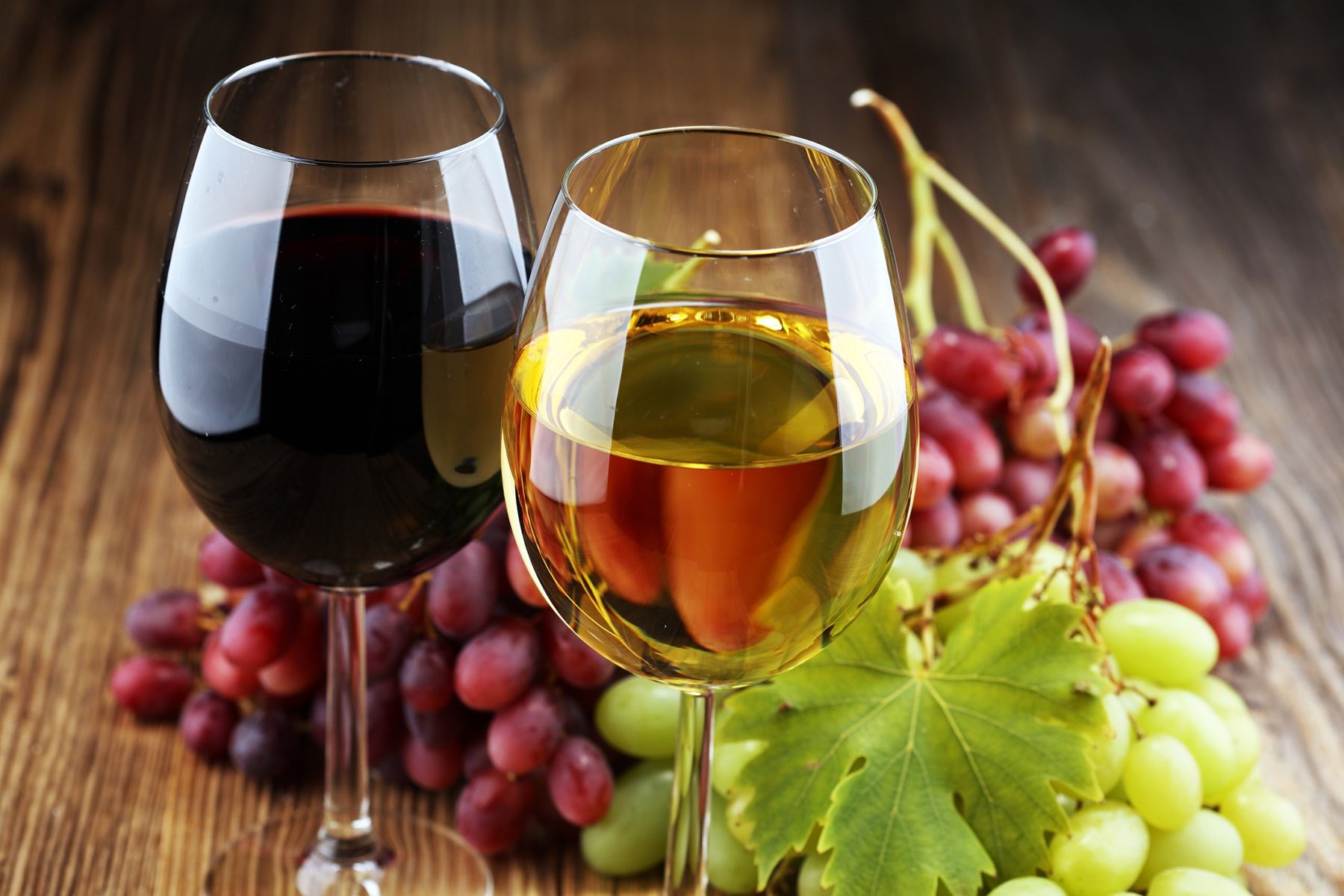
Burgundy has four main growing areas: Côte d’Or, Côte Chalonnaise, Chablis, and the Mâconnais. Each area is filled with villages, small wine estates called domaines, and vineyards that have their own reputation and wine heritage dating back for generations.
After the French Revolution, land holdings were redistributed to farmers and families, and inheritance laws changed so each child inherited an equal share of land. Today, many domaines in Burgundy own small pieces of a vineyard or maybe only a few vines. Even so, they’ll make grapes from each plot into its own wine to showcase how the terroir shapes the grapes.
Burgundy’s terroir
The Burgundy region starts 100 kilometers south of Paris and runs for 225 miles down to Dijon. The climate is considered temperate, with warm summers and cold winters. But it rains all year long. Grapes ripen slowly and retain their fresh acidity even when fully ripe.
The soils vary across the different growing regions, but Burgundy has large areas of clay mixed with limestone in the north. Chablis is known for Kimmeridgian, an ancient limestone that gives the white wines unmistakable minerality.
Burgundy wine regions to know
Côte d’Or
This phrase means “golden slope” in French, and many people think it refers to sunlight. Or the fact that so many precious Grand Cru wines are born here. But “Or” is short for Orient, which means eastern. Vineyards on the east-facing limestone slopes get morning sun, which allows them to ripen fully. The Côte d’Or is divided in two parts: the Côte de Nuits and the Côte de Beaune.
Côte de Nuits
The Côte de Nuits is Pinot Noir country, and overall the region is known for powerful and satiny wines. There’s a long history of excellent Pinot Noir in all eight Côte de Nuits villages: Chambolle-Musigny, Fixin, Gevrey-Chambertin, Marsannay, Morey-Saint-Denis, Nuits-Saint-Georges, Vosne-Romanée, and Vougeot.
Côte de Beaune
You’ll find a mix of fine Pinot Noirs and outstanding Chardonnay wines across the Côte de Beaune. The region has limestone soils and a rainy climate with cold winters and warm summers. White Burgundy lovers revere wines from Chassagne-Montrachet, Puligny-Montrachet, and Meursault for their ideal blend of opulence and brightness. And those who love highly aromatic, floral Pinot Noir are drawn to Santenay and Volnay, while Pinots from Pommard are fragrant yet more powerful.
Côte Chalonnaise
This region is known for good values when it comes to Chardonnay and rosé and red Pinot Noir wines. Lots of good sparkling Cremant de Bourgogne is made around the village Rully, while Bouzeron is the place to find crisp and refreshing Aligoté white wines. Givry is famous for Pinot Noirs with strawberry, tart cherry, and licorice, while Mercurey Pinots are bolder with cherry, raspberry, warm cigar spice, and more tannin.
Chablis
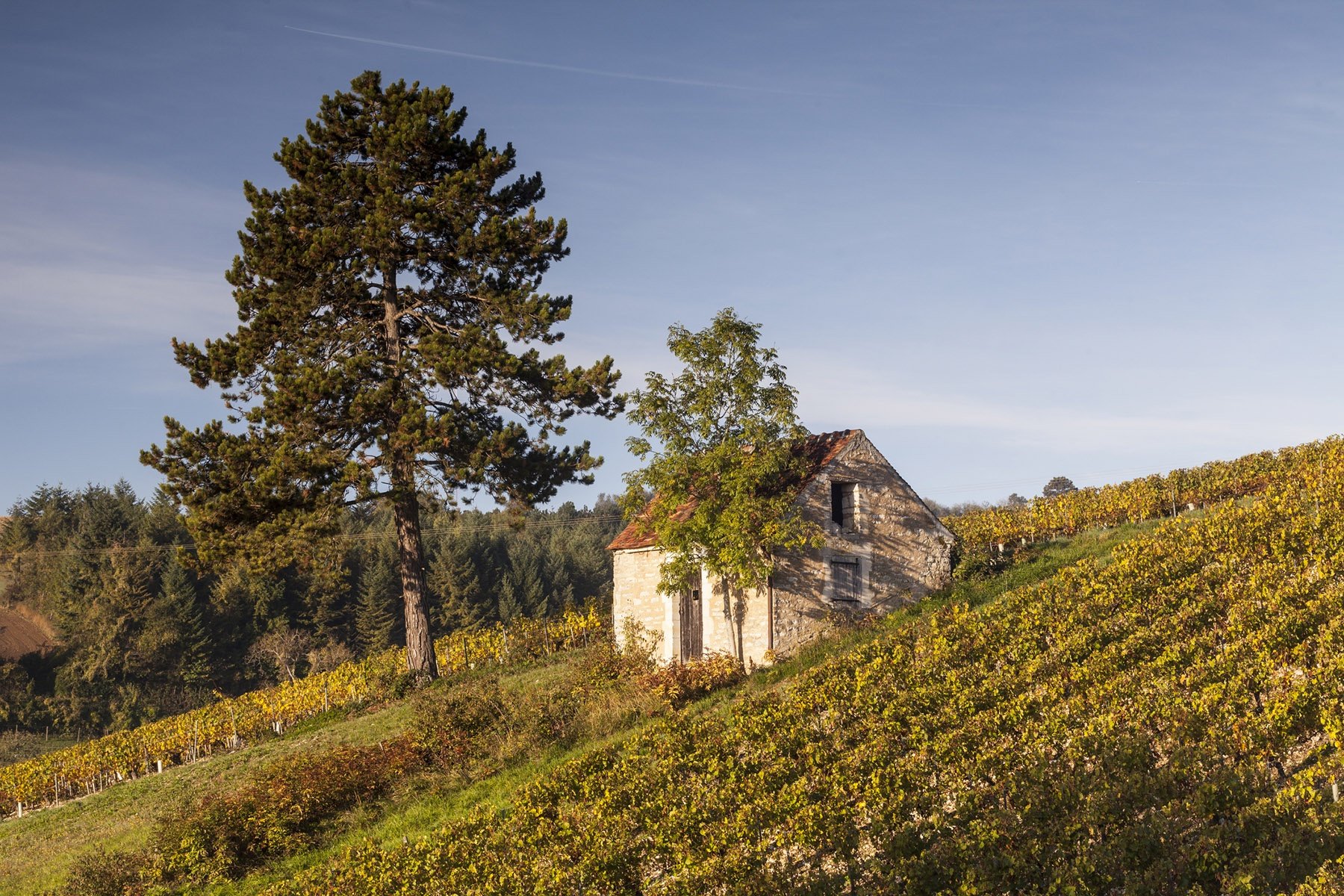
The cold, rainy, and somewhat unforgiving weather here means the Chardonnay grapes just barely ripen, so they’re full of ripping acidity. That, along with the abundance of limestone in the soil, gives the wines a clean, mineral aspect with notes of white flowers and citrus. Les Clos and Grenouilles are famous vineyard parcels to know.
Mâconnais
An area devoted to Chardonnay, the Mâconnais is another good source of value wines, including a little red Gamay. White wines often have aromas of straw, powdery flowers, lemon verbena, and grapefruit. St-Veran and Pouilly-Fuissé are the two best-known villages.
Burgundy is dotted with villages and vineyards that produce remarkable wine, and it can be challenging to know them all. But knowing these four terms for quality levels will help guide you the next time you’re shopping.
Regional Appellations
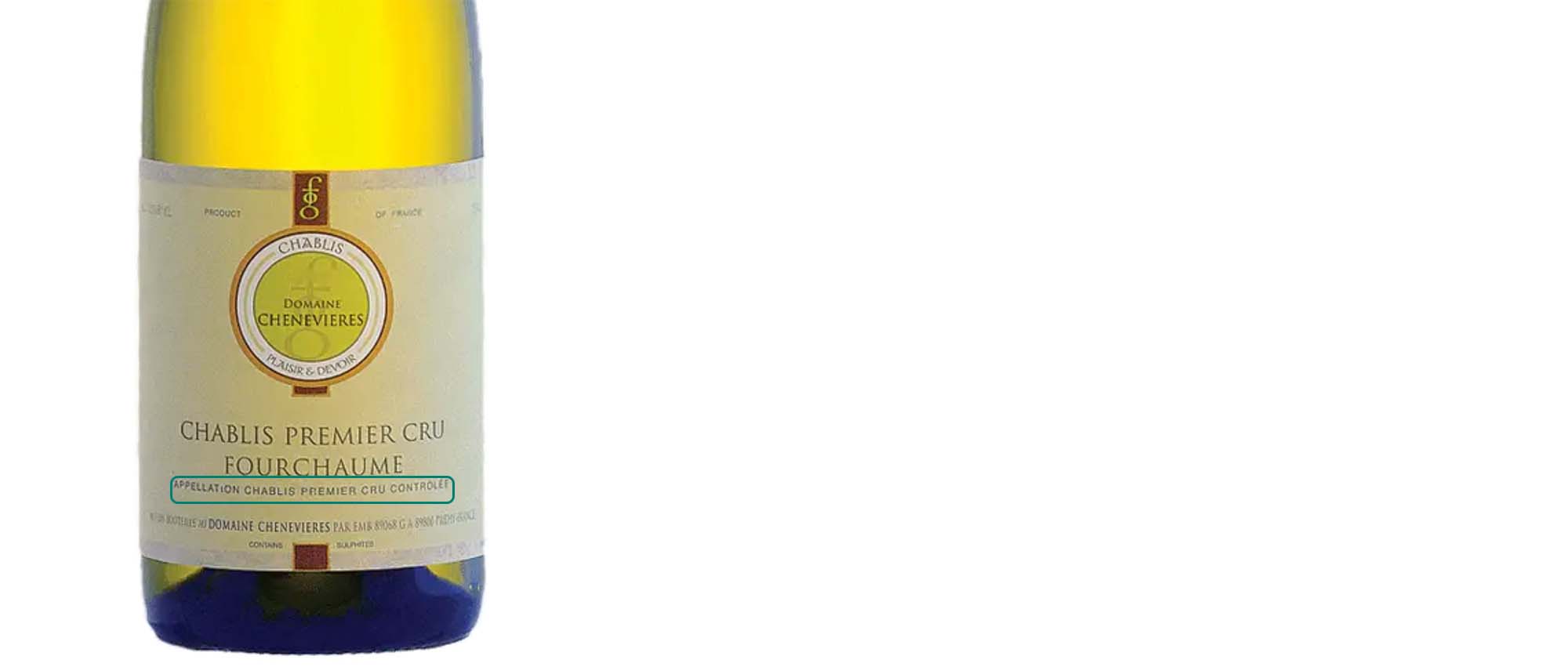
When you see Bourgogne Rouge or Bourgogne Blanc on a wine label, you know this is an entry-level wine meant to be enjoyed young. Others list the name of the large district where the grapes were grown, such as Macon. Though the grapes were sourced across the region, rather than from a specific vineyard, the quality is very high. These wines are about half of Burgundy’s total production.
Village
The taste of the terroir of specific villages, also called communes, comes through in village wines. There are 44 designated village appellations including Savigny-les-Beaune, Pommard, Meursault, and Volnay. Village wines are more expensive than regional wines, but still relatively attainable. About 36% of Burgundian wines are village level.
Premier Cru
French for first growth, Premier Cru wines celebrate the magical combination of terroir–soil, location, sunlight–that come together in a particular vineyard, and the way they shape a wine. The label shows the village name, followed by the specific vineyard. For example, with the Jean Monnier Meursault Charmes, the village is Meursault, and the Chardonnay grapes were grown in the Charmes vineyard. Just 10% of Burgundy’s wines are collectible Premier Cru wines.
Grand Cru
This means “great growth” in Burgundy, and it’s not related to the Grand Cru wines of Bordeaux or Champagne. Of the 33 Grand Cru vineyards with an ideal combination of soil and sunlight that yields exceptional wines, 32 are in the Côte d’Or, and one is in Chablis. Some of the most famous, and expensive wines in the world are sourced from vineyards including La Tâche Romanée-Conti, Corton-Charlemagne, and Chambertin.
How to store, serve, & enjoy Burgundy
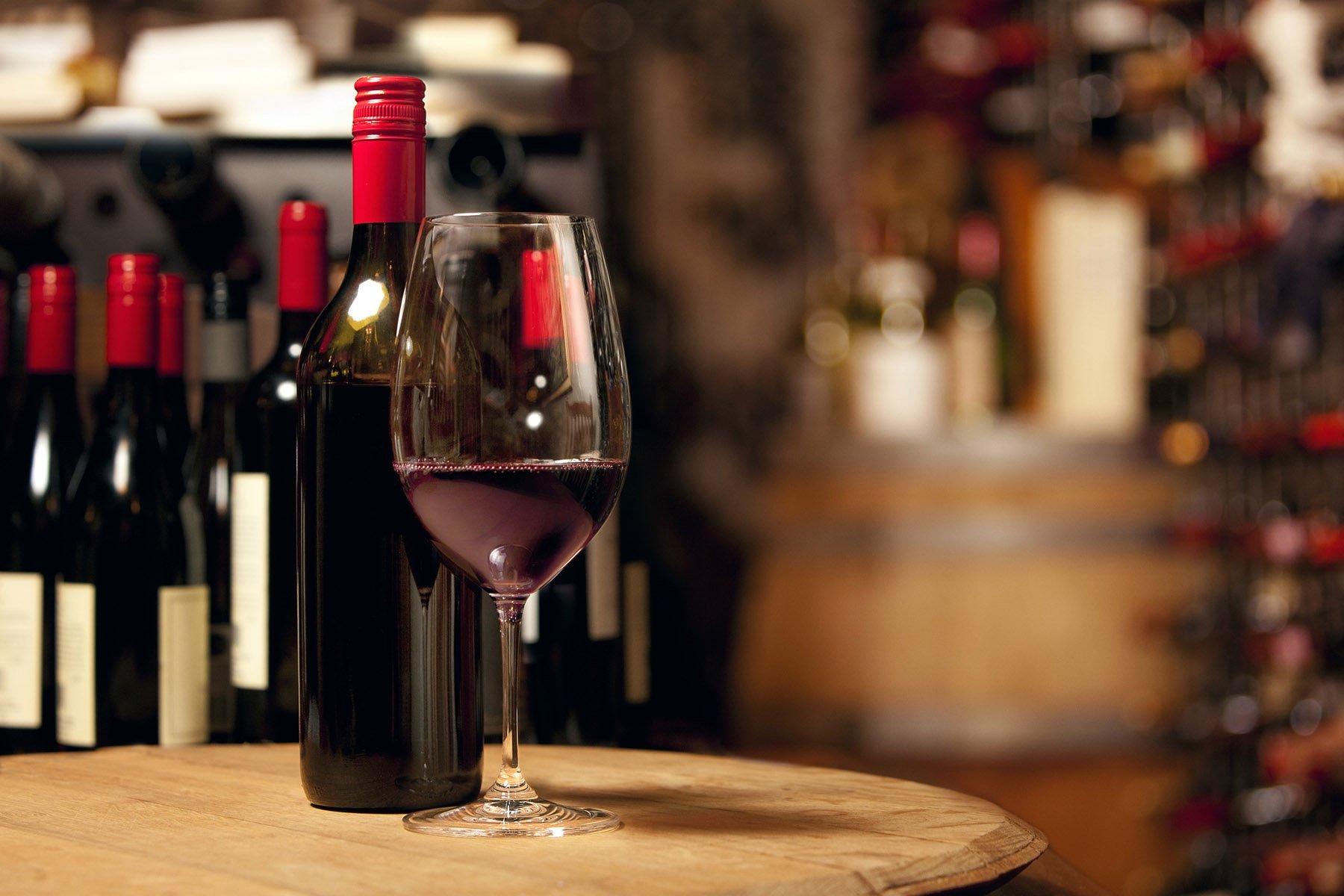
Burgundy is a delicate wine, so it needs to be stored in a quiet and cool place where it won’t get jostled. Serve both red and white Burgundy chilled. Put red wine in the refrigerator 20 minutes before serving, and take white Burgundy out of the cold 20 minutes before you uncork it so the aromas can open up. Red Burgundy is best at 61 to 64 degrees Fahrenheit, while white Burgundy sings around 55 degrees.
All Burgundy wines show best in a Burgundy glass which is narrow at the top and flares to a wide bottom. This shade is ideal for capturing the subtle aromas of white and red Burgundy.
We hope you’ve enjoyed this quick sip of Burgundy. To learn more, visit our France wine guide, Pinot Noir wine guide, or Chardonnay wine guide.