
What type of wine is Cabernet Franc?
Cabernet Franc is an ancient and noble red wine grape from France. There would be no Bordeaux without Cabernet Franc since the grape is the genetic parent of both Cabernet Sauvignon and Merlot. It's mostly a blending grape on the Left Bank, but Cabernet Franc takes center stage on Bordeaux’s Right Bank in iconic wines like Château Cheval Blanc.
While Cabernet Sauvignon is bold and dark, Cabernet Franc shows more nuance with subtle notes of red fruit and spiced tea that emerge when treated just right in the vineyard and cellar. This versatile red wine grape shows off its range in the Loire Valley, where it's made into beloved light, refreshing rosés and elegant red wines in places like Chinon and Bourgueil. And some of the most exciting natural sparkling wines from the Loire are made from Cabernet Franc. Dessert wine lovers take note: one of the rarest and most exquisite icewines from Niagara, Canada, is made from Cabernet Franc.
In California, Washington, South Africa, and Italy, winemakers are fascinated by this multifaceted grape. So if you love red wine, you owe it to yourself to get to know the intriguing Cabernet Franc grape.
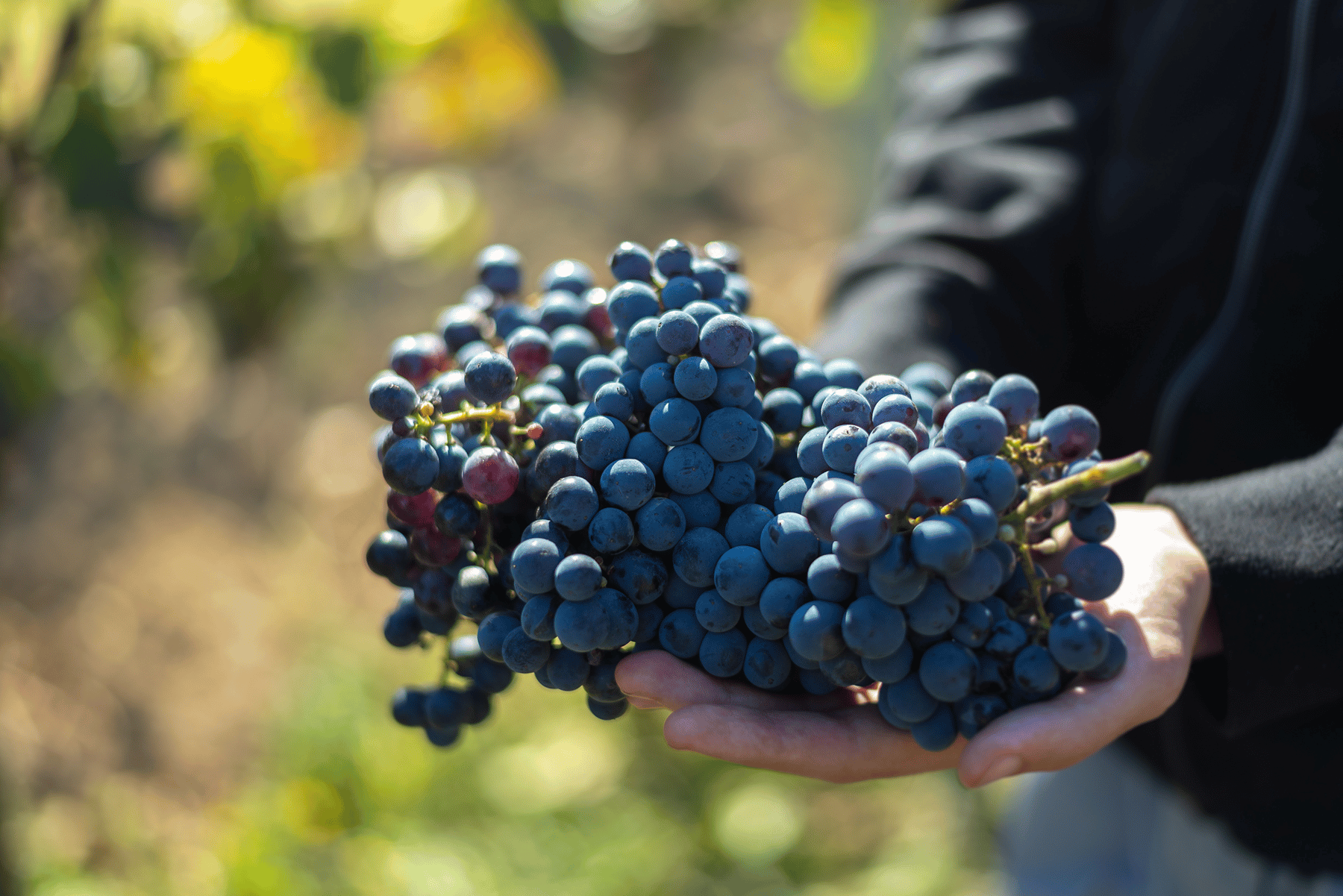
3 facts to know about Cabernet Franc
-
Cabernet Franc was crossed with Sauvignon Blanc to create Cabernet Sauvignon. And Cab Franc is also a parent of Merlot, along with the obscure grape Magdeleine Noire des Charentes.
-
In the Right Bank Bordeaux regions St-Émilion and Pomerol, Cabernet Franc is sometimes called Bouchet, Bouchy, or Breton.
-
Cab Franc stars in many of the most exciting pétillant naturel rosé sparkling wines from the Loire Valley.
Color

Tasting profile
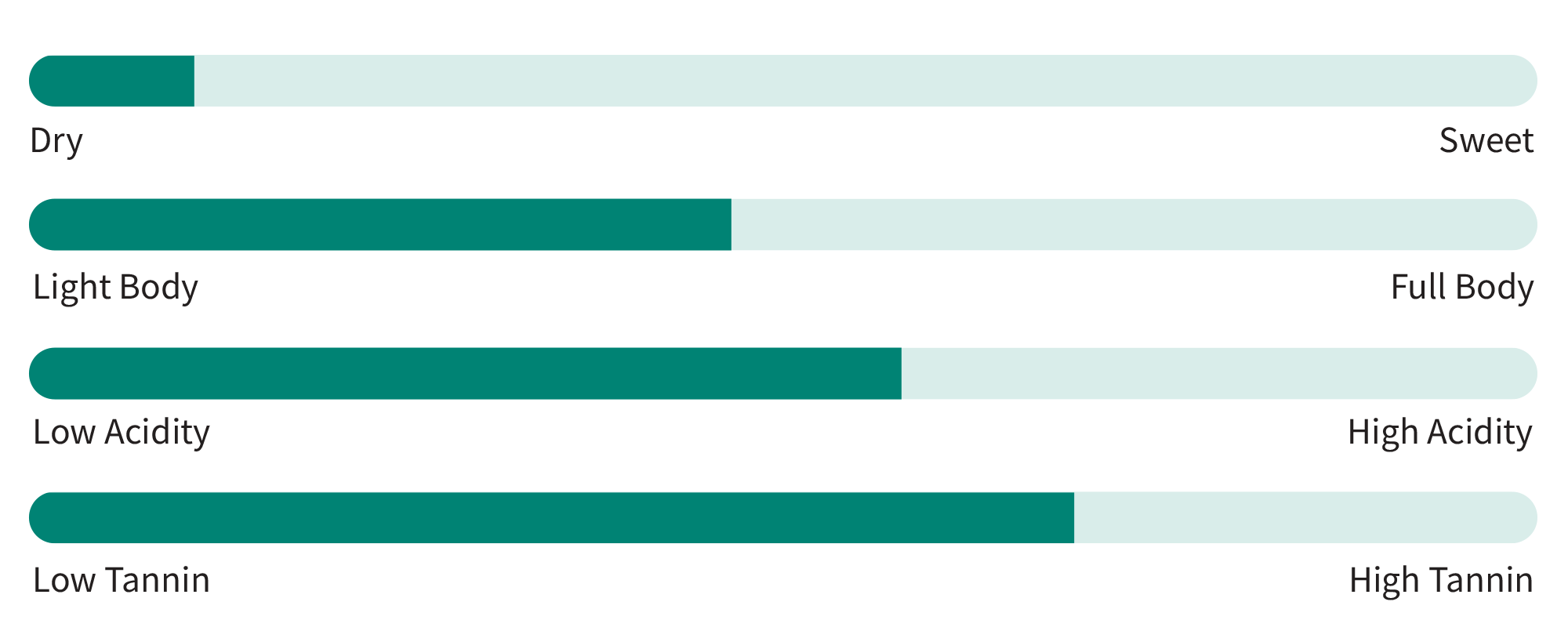
Cabernet Franc grapes are dark purple and can make rosé or red wine, sparkling or still. Most Cabernet Franc wines are dry, except for Cab Franc icewines, which balance high sugar and acidity. Cabernet Franc has higher acidity when picked earlier, but that diminishes as the grapes ripen. Its wines range from medium to full-bodied, depending on the alcohol and sugar. Cabernet Franc grapes have thin skins, so the tannins are less noticeable than in a Cabernet Sauvignon.
Primary Cabernet Franc flavors
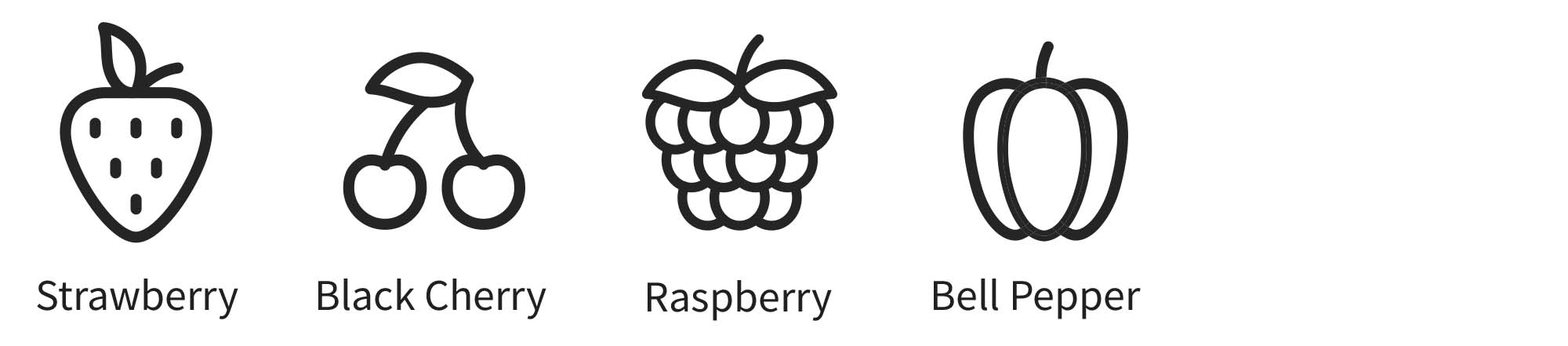
Cabernet Franc is a delightfully aromatic wine, opening with bright hints of strawberry, raspberry, red plum, and more unusual Chinese red fruit like schisandra or goji berry. The fruit is accented by a distinctly green note that can show up as green peppercorn or green bell pepper, along with notes of black tea and baking spice like cardamom. When it's picked at a riper stage or aged in oak, Cabernet Franc takes on deeper notes of cooked strawberry, fig, and mushroom with hints of vanilla and coffee from the barrel. A Cabernet Franc dessert wine concentrates those flavors into mixed strawberry-raspberry jam laced with cinnamon and pink peppercorn.
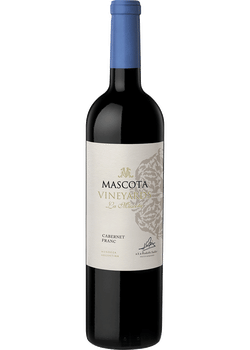
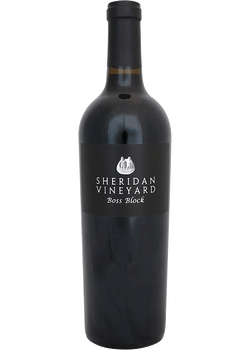
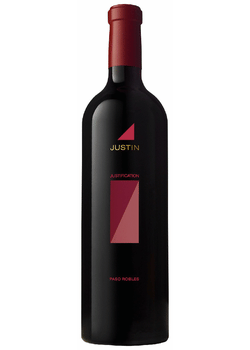
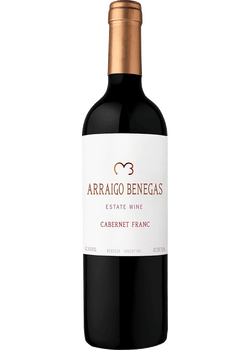
4+ Star Rated Customer Picks
Key Cabernet Franc winemaking regions
Cabernet Franc is originally from Southwest France, in Basque Country near the Spanish border. From there, Cab Franc was cultivated in the Loire and Bordeaux. Today, Cabernet Franc vines are in every major wine region globally. We especially love the Cabernet Franc wines from these regions.
France
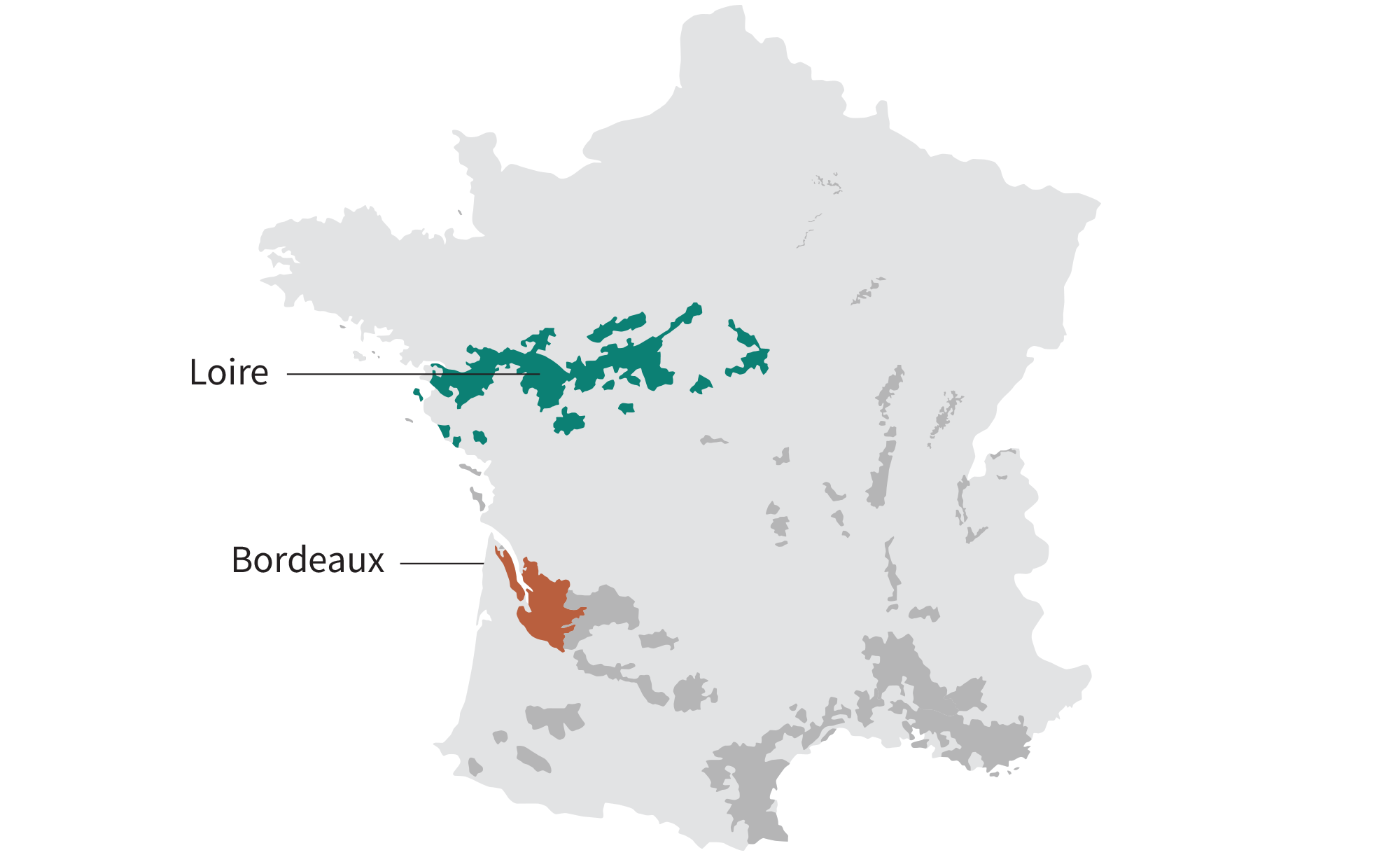
France is the home of Cabernet Franc, and it thrives in Bordeaux, the Loire Valley, as well as Languedoc-Roussillon.
Bordeaux
The most famous Cabernet Franc wine is undoubtedly Château Cheval Blanc, the Bordeaux featured in the Disney movie Ratatouille. In Bordeaux on the Right Bank, especially in St-Emilion and the Pomerol, Cabernet Franc gives the red blends a spicy red fruit intensity. Cabernet Franc is used on the Left Bank to bring softness and fruit to blends since it's riper than Cabernet Sauvignon before harvest.
Loire Valley
The Loire is the spiritual home of Cabernet Franc. It's also the epicenter of biodynamic winemaking, which creates Cab Franc wines with purity of flavor that perfectly express the places where the grapes were grown. While Loire's red wines get the top billing, bubbly lovers should look for Cab Franc pétillant naturel sparkling wines. They're food-loving, refreshing sparkling wines that drink like delicious mashups of wine, cider, and beer.
Chinon
The classic Cabernet Franc wines of Chinon (pronounced shee-NOHN) are sophisticated, lush, and fruit-forward with soft tannins. With climate change, they've been getting more ripe and structured. Once you taste a smooth, juicy, and inviting Cabernet Franc from Chinon, you'll be a Chinon fan for life.
Bourgueil
Winemaking at the Abbey of Bourgueil (pronounced Burr-GOY) dates back 1,000 years. The region features a gentle maritime-influence climate and a mix of gravel and clay soils. The wines include flavorful rosés and light juicy strawberry-forward reds grown on clay soil, while gravel vineyards create darker wines with notes of blackberry, leather, and red meat.
California
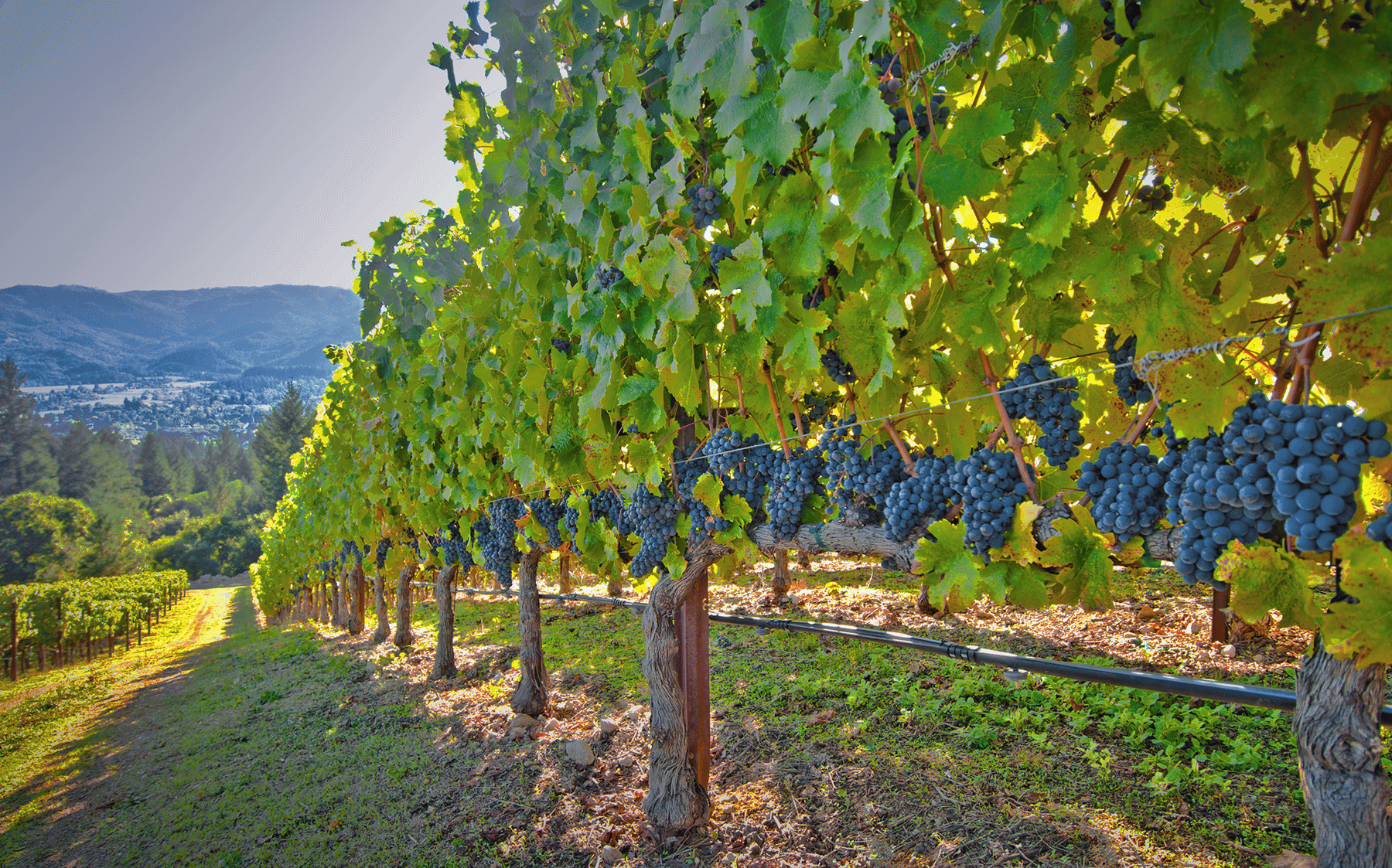
Many winemakers have a penchant for Cabernet Franc, so you'll find them in many styles everywhere, from Gold Country and Central Coast to Napa and Sonoma. In California, Cabernet Franc ripens easily and is made into darker, higher alcohol wines similar to Cabernet Sauvignon. Expect hints of red plum, green pepper, spice, and dark fruit like fig and black currant. Because of its relative rarity, Cabernet Franc grapes from the Napa Valley can cost 20% more per ton than Cabernet Sauvignon.
South Africa
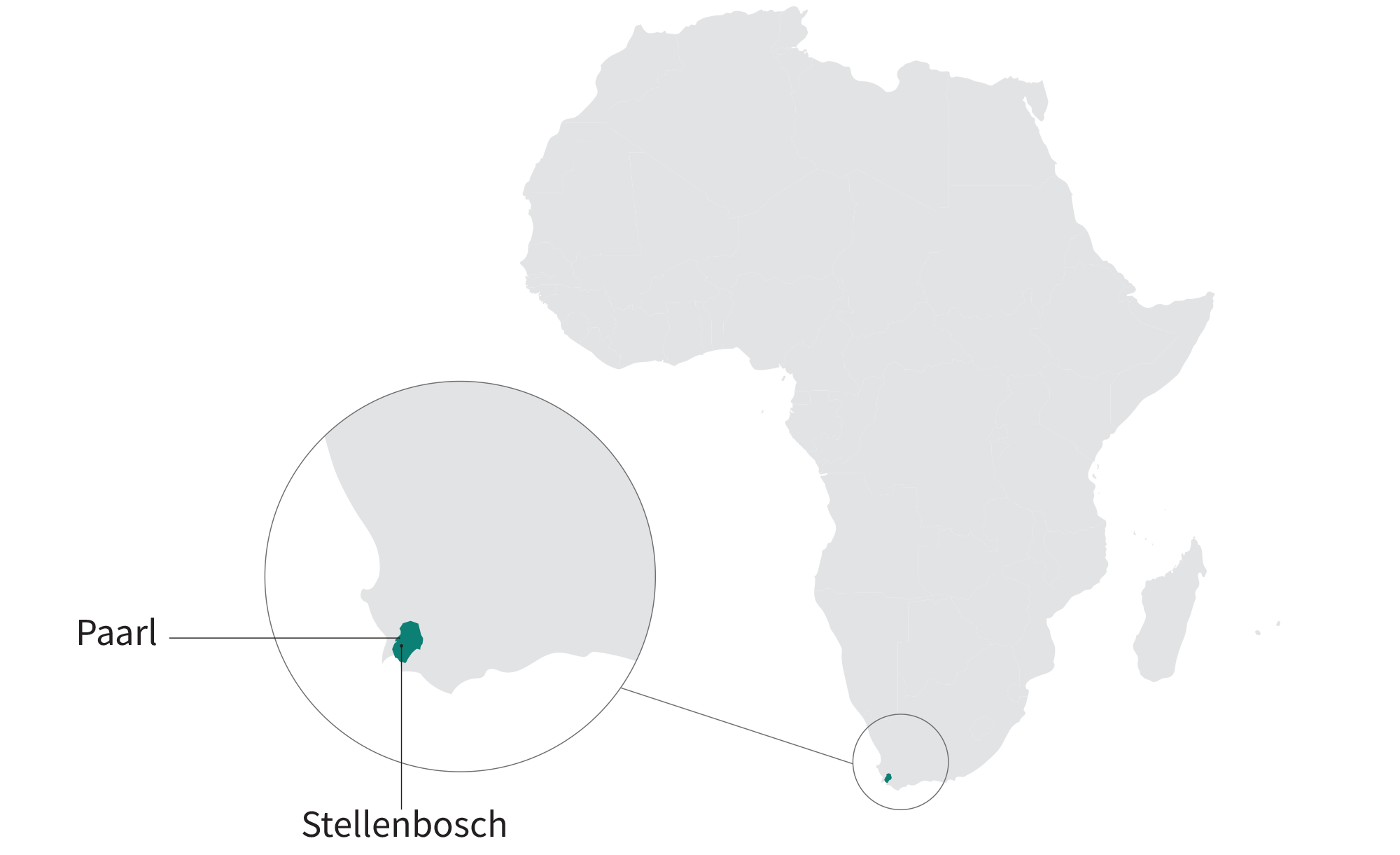
Cabernet Franc was used in Bordeaux-inspired blends until the late 1990s when the first single varietal wine was released. Today, the best Cabernet Francs come from the Stellenbosch and the Paarl and feature red and black fruit, spice, and cigar notes.
Cabernet Franc food pairings
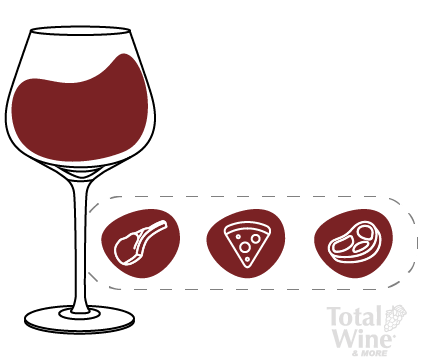
Cabernet Franc's bright acidity and red fruit flavors make it a great partner for rich and intensely flavored foods, whether a rib-eye steak, lamb chops, or grilled pork ribs. But don't be afraid to uncork Cab Franc with Mediterranean fare with tomatoes, roasted peppers, garlic, and olives. Cabernet Franc sparkling wine is terrific with a pepperoni or meat lovers' pizza, sheep's milk cheeses, and cured ham. And if you're lucky enough to acquire a bottle of Cabernet Franc icewine, sip it with the finest dark chocolate or flourless chocolate cake.
How to store, serve, & enjoy Cabernet Franc
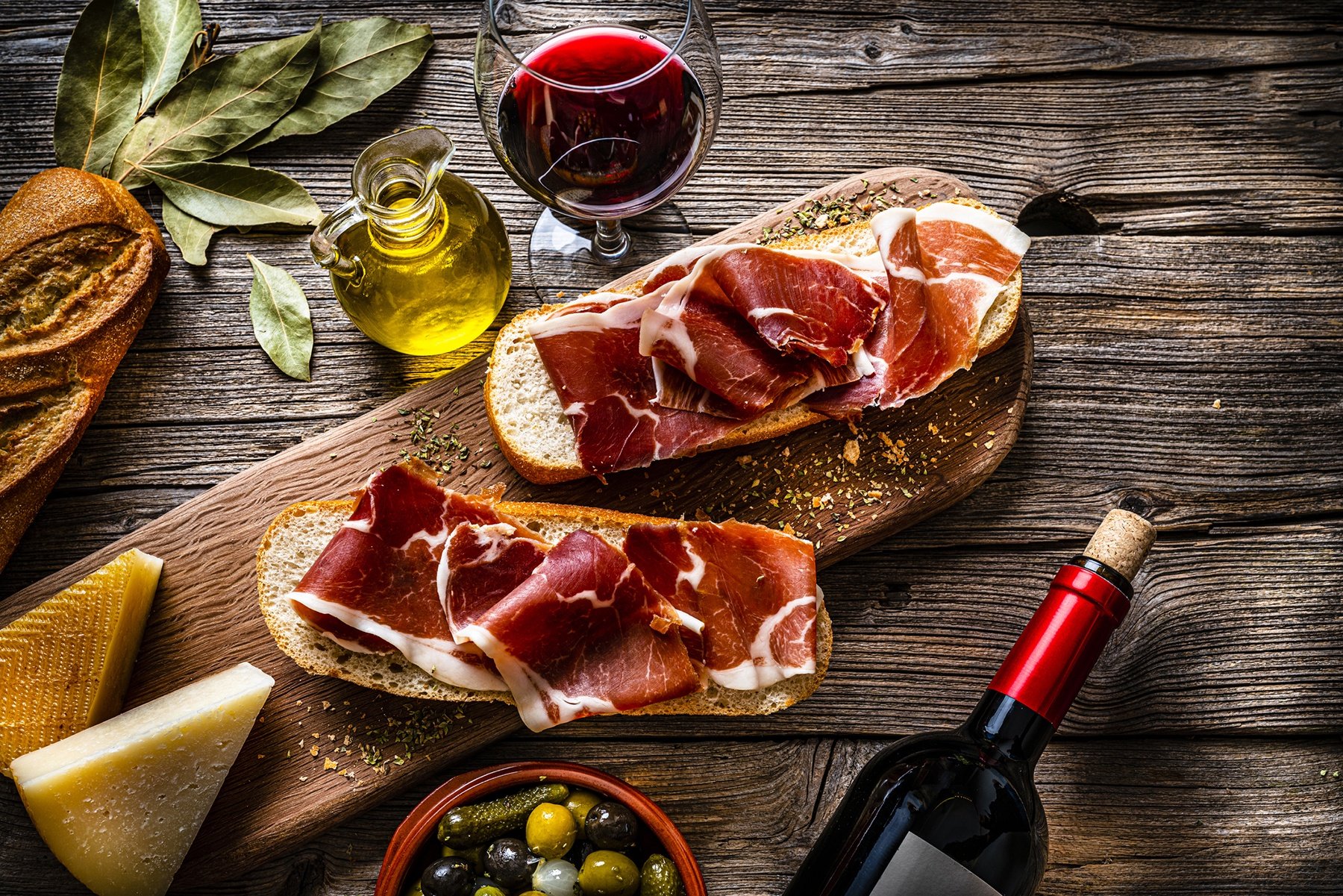
Serve red Cabernet Franc at about 60 to 65 degrees Fahrenheit in the same glass you use for Cabernet Sauvignon and Merlot. Serve your rosé chilled to 50 to 60° in a white wine glass. Make sure your sparkling Cabernet Franc is 45 to 50° before uncorking it and serving it in a champagne flute. Chill your icewine to 40 to 50°, then serve it in small cordial glasses.
If you have a taste for more French wines, take a look at our guides on French wine regions, Bordeaux wine, and rosé food pairings.