
There’s no denying that Italy has an abundance of red wines to explore. Just take a look at all the choices in the Italian wine aisle. Italians make wine from hundreds of grapes, and from north to south, people in every region have a local red wine that they think is the best red wine in Italy.
Red wine from Italy runs the full spectrum from light and fruity bottles of Valpolicella that are perfect with pepperoni pizza to regal and age-worthy Barolo that’s reserved for the finest cuisine laden with black truffles.
Whether affordable everyday wines or famous bottlings with a price tag to match, Italy’s red wines are designed for pairing with food. We’ll start our red Italian wine journey in the northern region of Veneto and end with the island of Sicily. Each section highlights key red grape varietals noting the popular red wines in which the grapes star.
Corvina
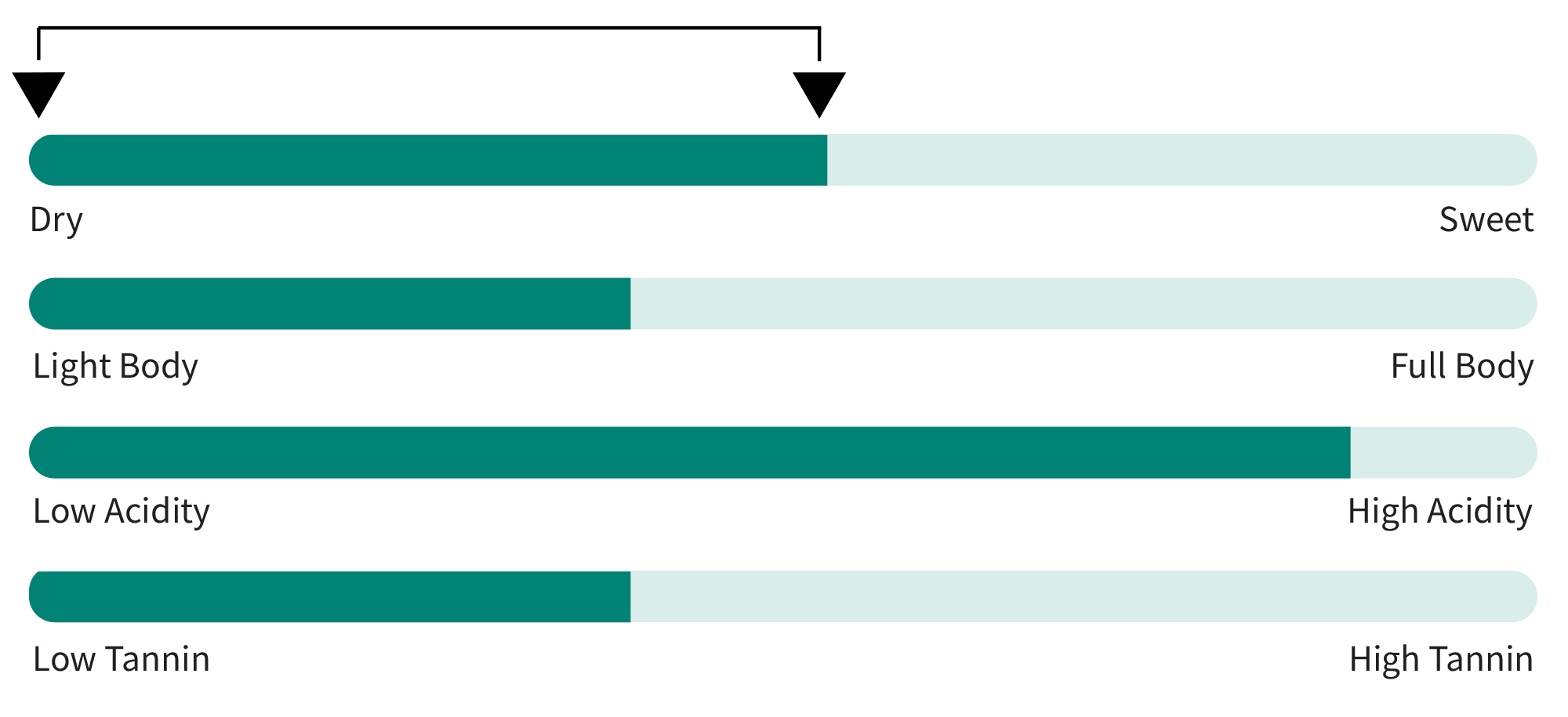
Without question, Valpolicella, the Italian red wine made from the Corvina grape, is one of Italy’s best-loved red wines. This wine from the Veneto in northern Italy is juicy, fresh, and bright with flavors of cherry, herbs, and plum. It’s an ideal Italian gateway red wine that’s delicious with meat lovers’ pizza, lasagna, roasted chicken, macaroni and cheese, or prosciutto ham.
A good Valpolicella is a high-acid wine, so pair it with anything that you’d drink with a cool-climate Pinot Noir. But that’s not all Corvina can do: when left on the vine until the grapes start to raisin, it becomes Amarone, a silky dry wine with chocolate and cherry flavors that shine with Gorgonzola blue cheese.
Primary Flavors

Taste Profile
Barbera
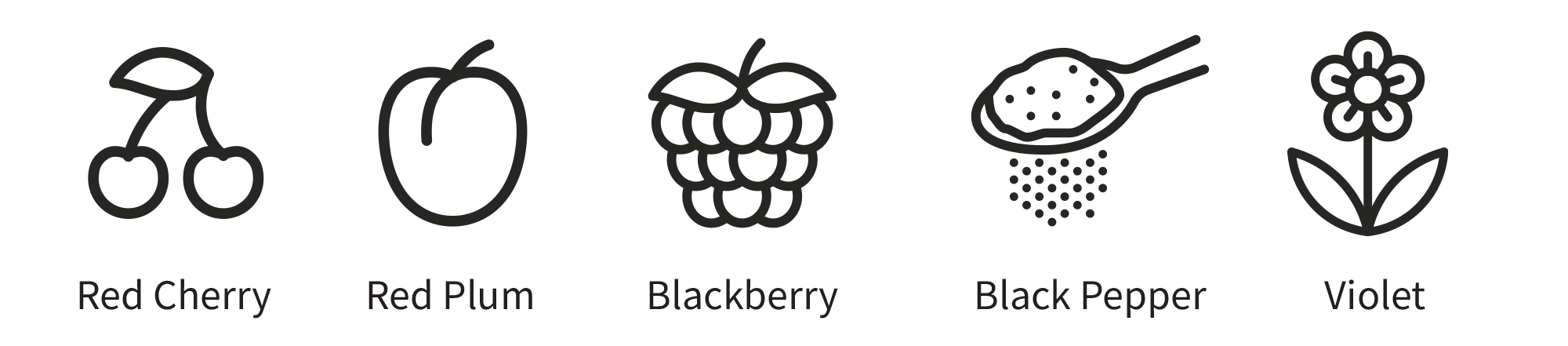
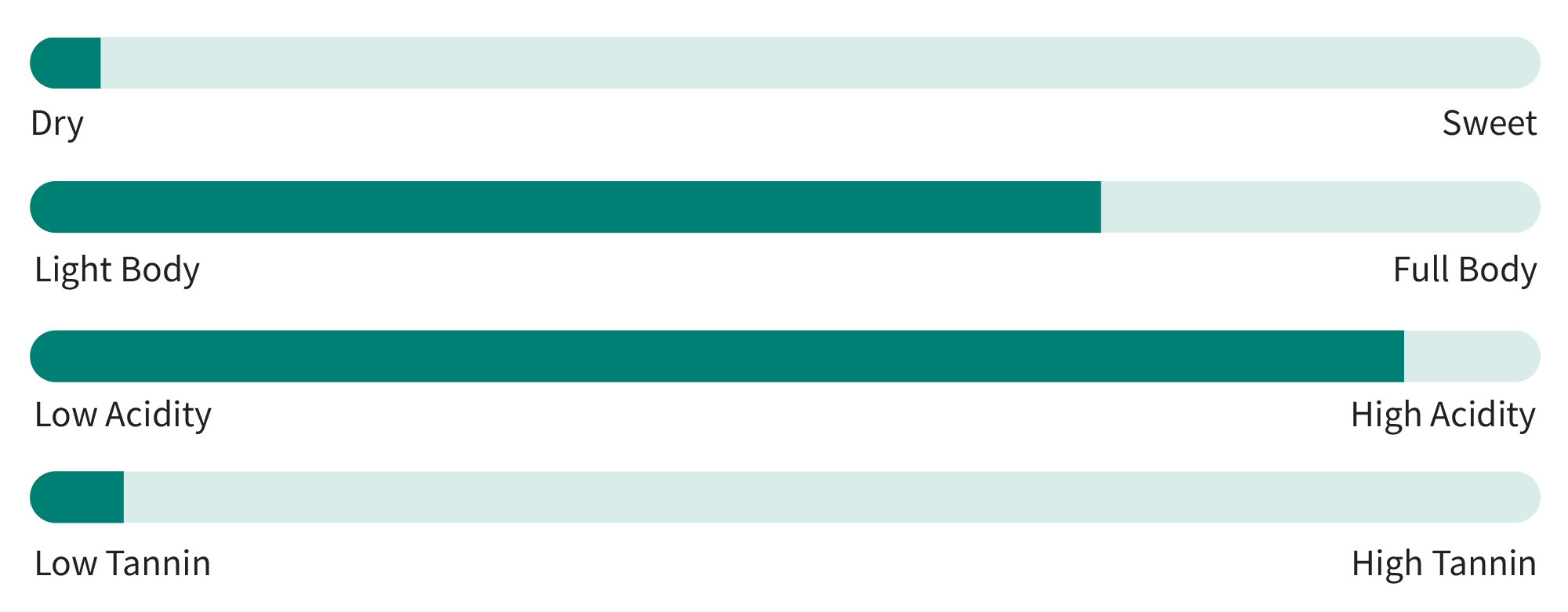
Piedmont’s Barbera is another wonderful way to ease into Italian red wine. Just like Merlot, it’s fruity and friendly with juicy flavors of red cherry, blackberry, licorice, and an earthy note too. Barbera’s bright acidity makes it perfect with rich meats like salmon and duck. Barbera d’Asti can be concentrated and bold, while Barbera d’Alba shows blueberry, strawberry, rose, and carnation notes.
Primary Flavors
Taste Profile
Sangiovese
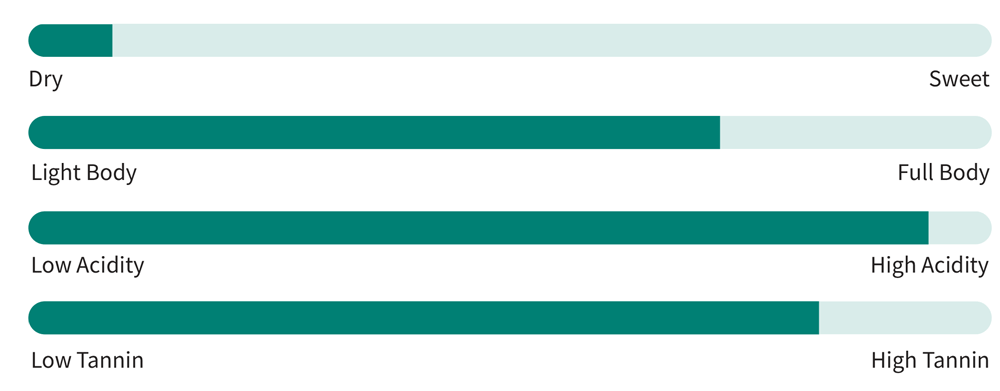
This Italian red wine varietal from Tuscany is so highly regarded that it’s named after Jove, the all-powerful king of the gods in ancient Roman mythology. If your first taste of Sangiovese was affordable Chianti in a straw-wrapped fiasco bottle with lasagna, why not step up to a Chianti Classico, a more refined wine that offers great value?
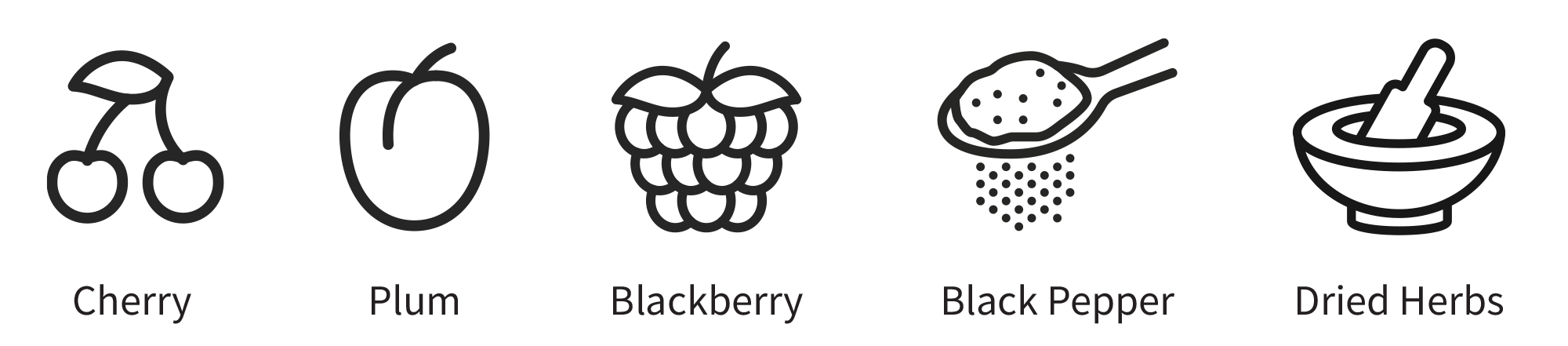
Sangiovese shows up as Vino Nobile di Montepulciano, which is aged in large oak casks until it has aromas and flavors of dark cherry, strawberry, plum, and black tea. Sangiovese’s highest expression is Brunello di Montalcino, a relatively rare, elegant wine that brims with berries, vanilla, and hints of cedar. When your Brunello peaks after aging five years or so, pour it with a Florentine steak.
Primary Flavors
Taste Profile
Montepulciano
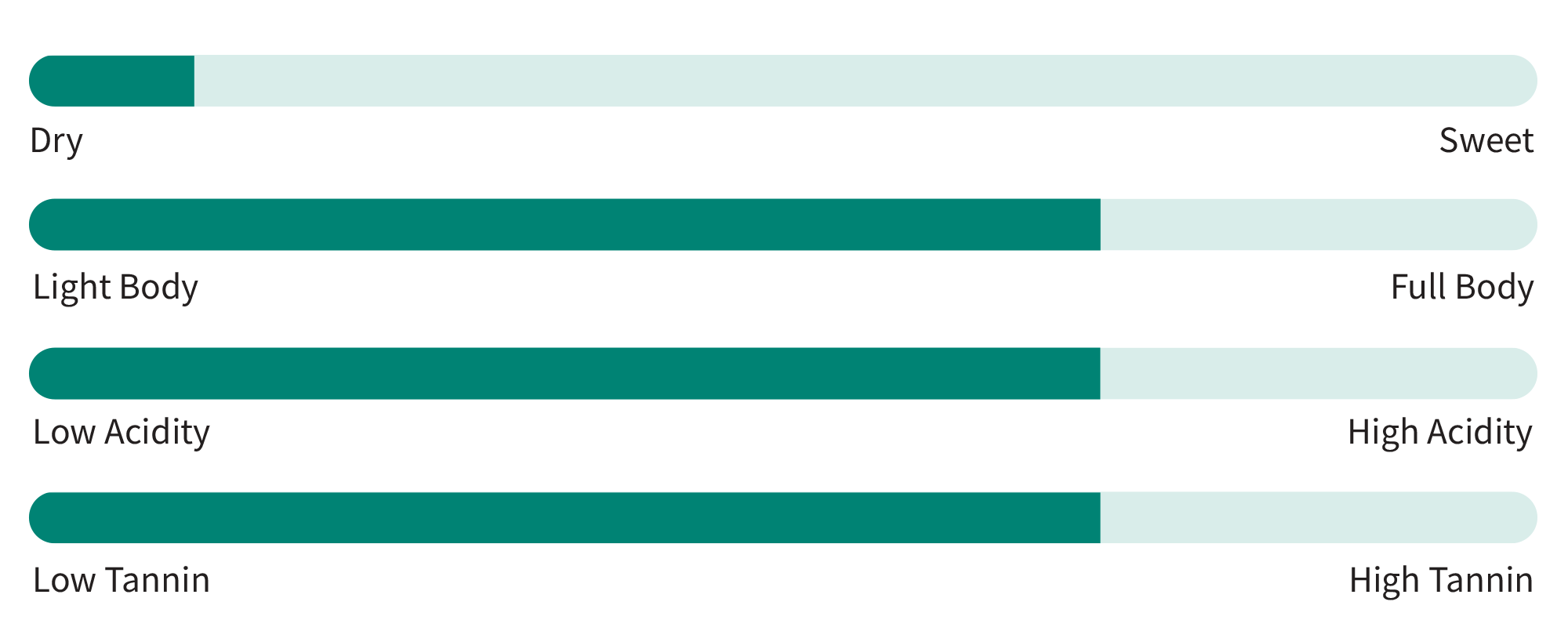
Not to be confused with Vino Nobile di Montepulciano, this wine from Abruzzo is made from the Montepulciano grape. Abruzzo is a verdant region of southern Italy bordered by the Adriatic Sea, where people enjoy meaty tomato pasta dishes with Montepulciano d’Abruzzo’s notes of blackberry, raspberry, savory herbs, and sweet pipe tobacco.
Primary Flavors

Taste Profile
Nebbiolo
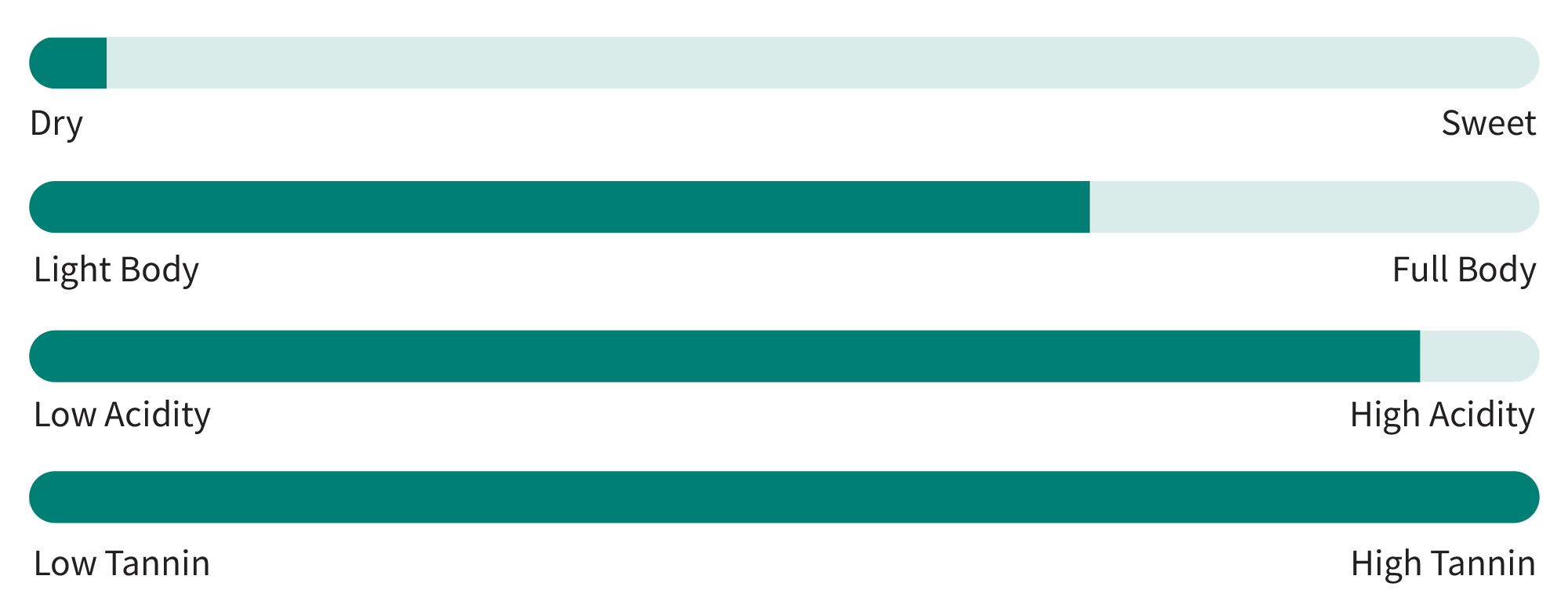
Legend has it that the Nebbiolo grape is named for the fog, nebbia in Italian, that can blanket Piemontese vineyards at harvest time. In the glass, Nebbiolo looks pale and sheer like Pinot Noir, but it’s a much bolder, surprisingly tannic wine with a signature whiff of sweet violet. Gattinara is a lighter expression with tart cherry notes, while satiny Barbaresco and powerful Barolo reveal roses and black truffles laced with tar. Save these for game meats, mushroom risotto, Parmigiano Reggiano, or Taleggio cheese with hazelnuts.
Primary Flavors

Taste Profile
Dolcetto
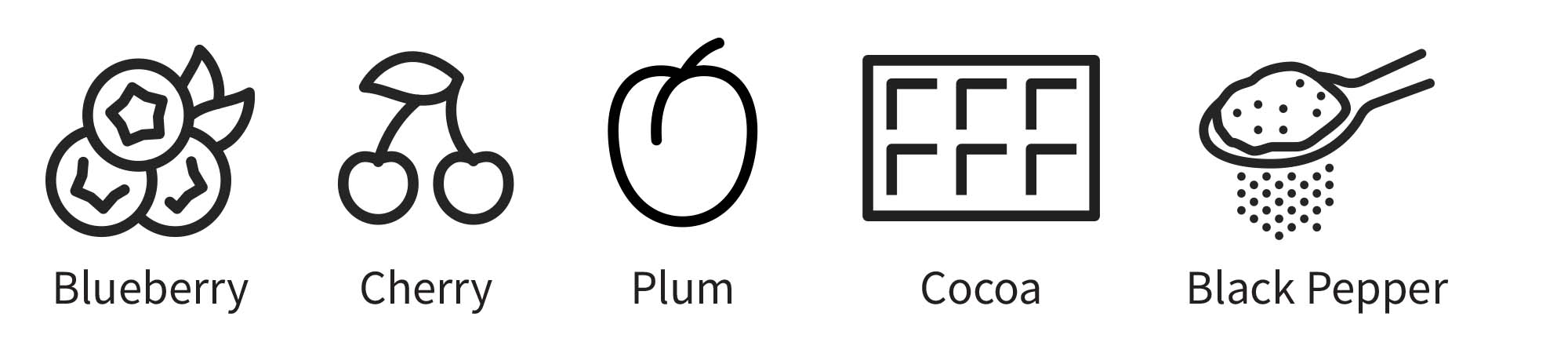
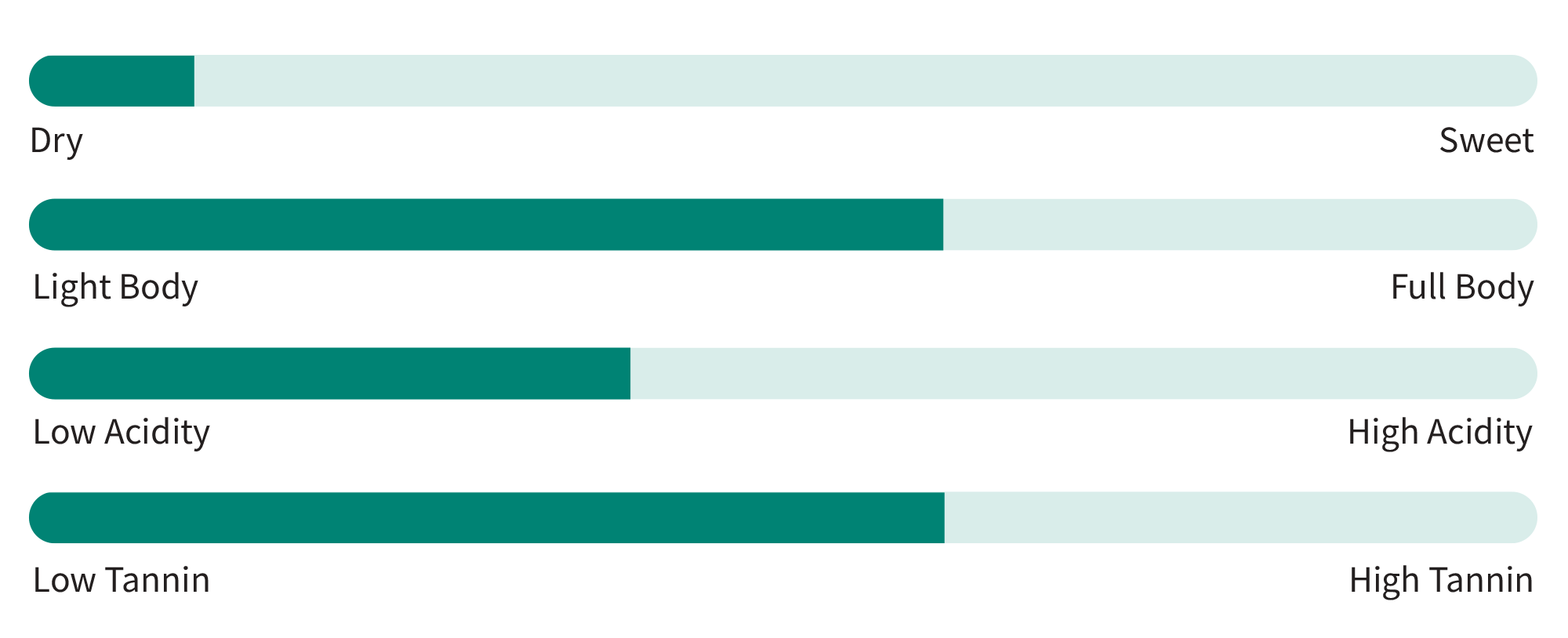
The name Dolcetto means “little sweet one,” however, these red wines from Piedmont are fully dry with soft acidity and flavors of blueberry and cherry. Dolcetto d’Asti wines are more refined, while Dolcetto d’Alba wines tend to be floral. Some think of it as the Beaujolais Nouveau of Italy. Perhaps the sweetest thing about Dolcetto is the way it compliments all sorts of Italian dishes, from spaghetti and meatballs and lasagna to roast turkey and grilled salmon.
Primary Flavors
Taste Profile
Aglianico
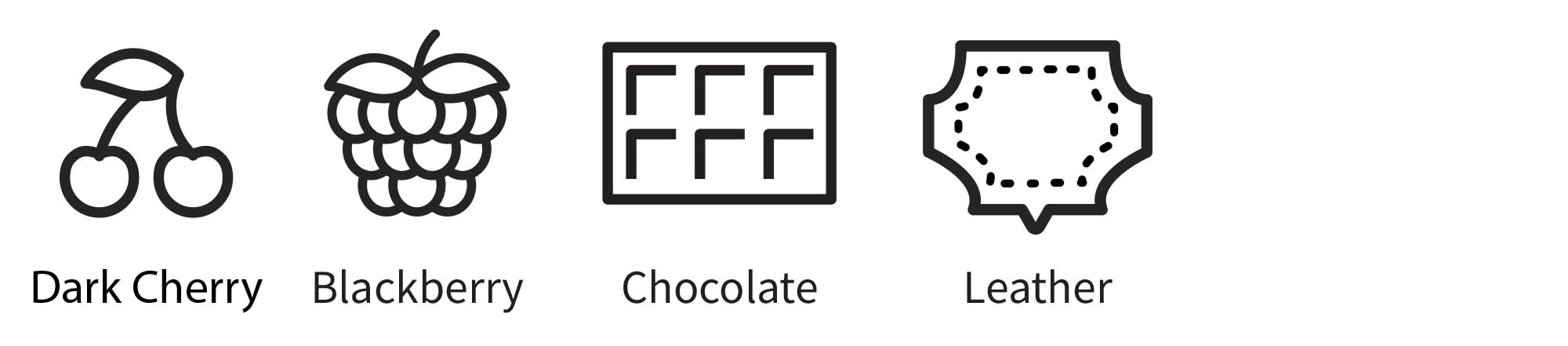
Of all the mountains in southern Italy’s Basilicata region, the most famous is Mount Vulture (pronounced vul-TOO-ray). The former volcano’s rich soil yields the best Aglianico del Vulture wines, which have dark fruit and tannins that make them perfect with lamb and hearty stews. Campania’s Taurasi is the most famous Aglianico; its chocolate and leather vibes complement grilled meat and black truffles.
Primary Flavors
Taste Profile
Primitivo
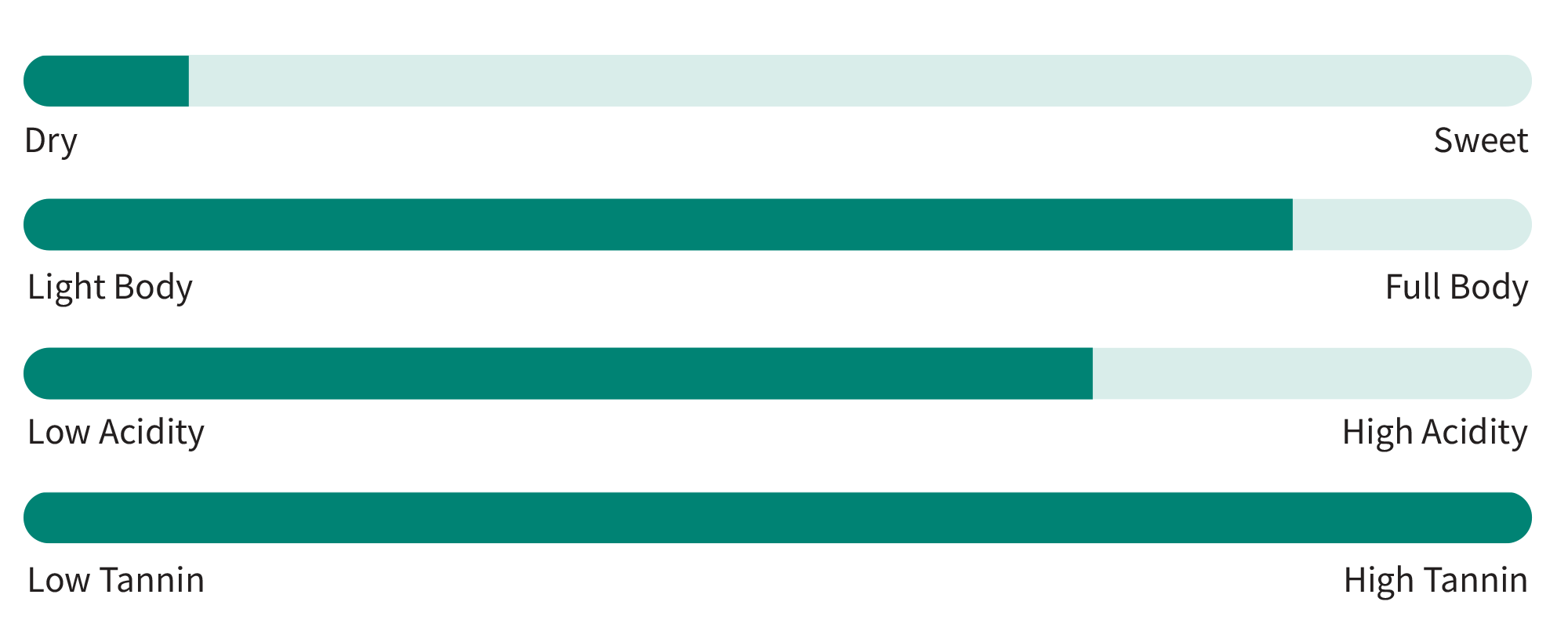
If you love American Zinfandel, then you’ll want to get to know Primitivo, the grape’s Italian twin. These genetically identical wine grapes share flavors of blackberry and spicy black pepper that pair with any meat, from grilled chicken to pork chops. While Zinfandel is fruitier with soft tannins, Primitivo is more tannic and less jammy.
Primary Flavors

Taste Profile
Negroamaro
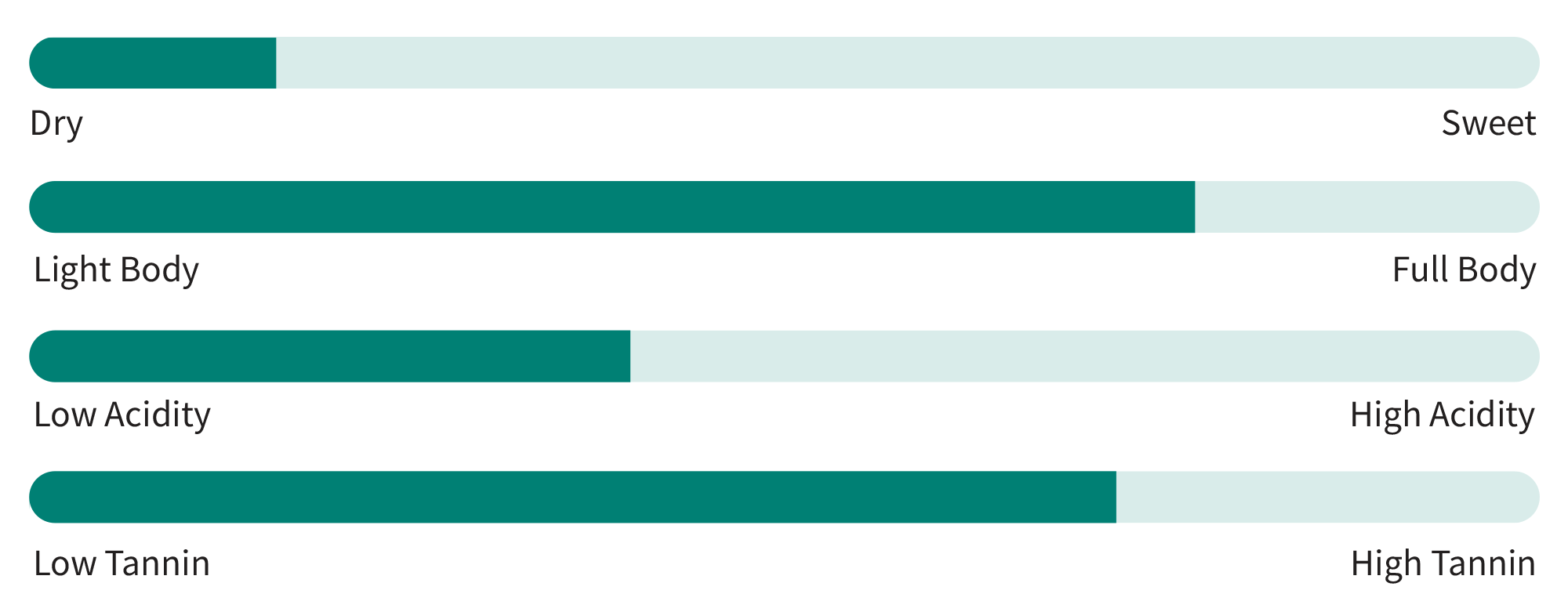
This is one of the darkest Italian red wine grapes; in fact, the name Negroamaro translates to “black black” (once mistranslated as “black bitter”) in an ancient dialect. Puglia is hot and sunny, so the Negroamaro grapes get fully ripe, while the strong winds force the grapes to develop thick skins. In the glass, rustic Negroamaro brims with dark ripe plum, prune, herbs, and cigar tobacco with a bittersweet edge of tannin that’s wonderful with charcuterie, whole wheat pastas, and hearty fish dishes.
Primary Flavors

Taste Profile
Nero d’Avola
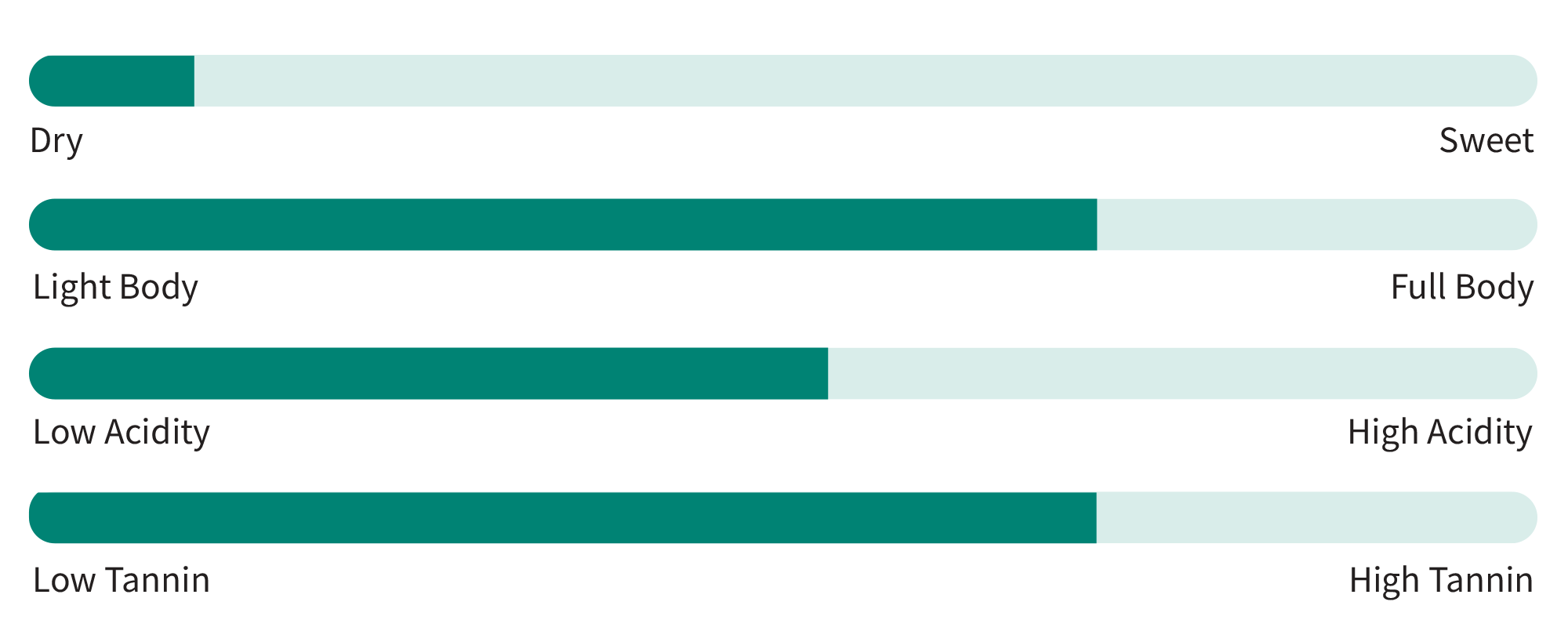
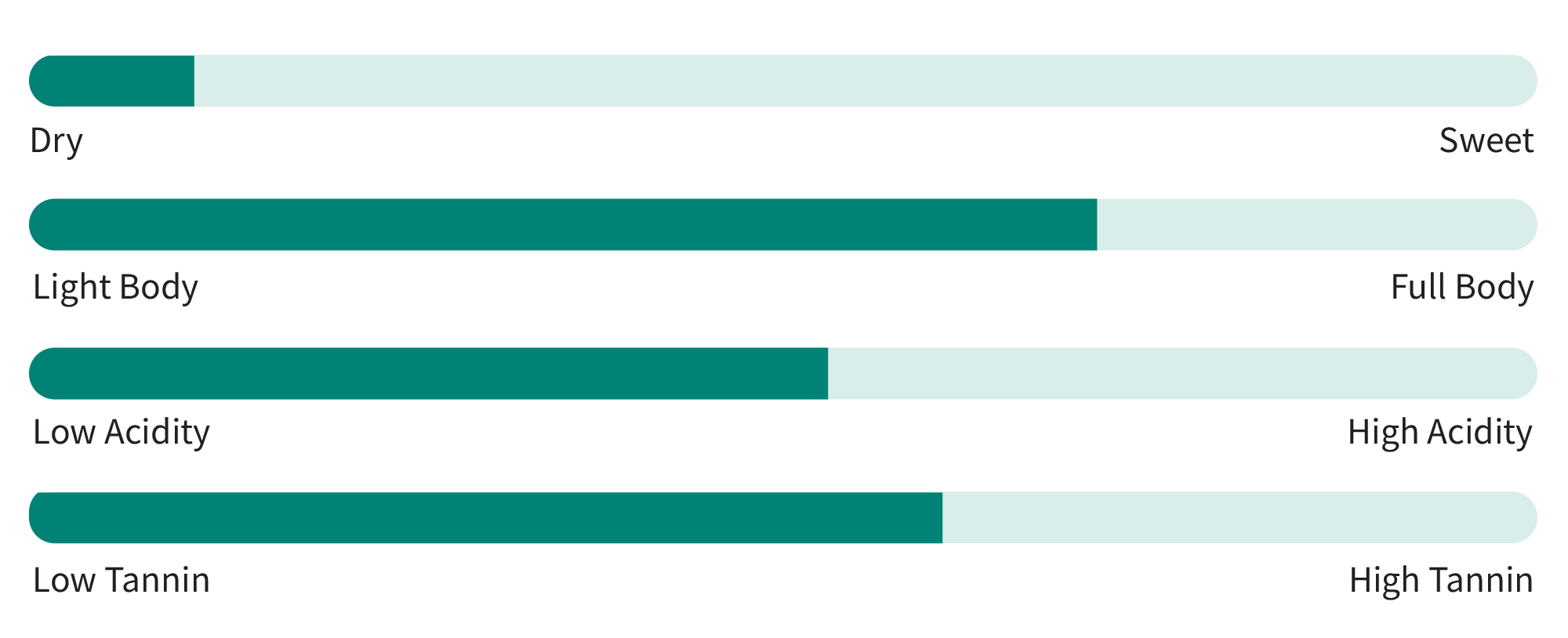
If you find yourself driving through southeastern Sicily, be sure to stop in the town of Avola. It’s the birthplace of Nero d’Avola, a dark grape that drinks like a Shiraz or Syrah from a warm climate. Enjoy its notes of ripe bramble berry, cherry with a hint of spicy pepper with succulent braised oxtails, osso buco, and burgers.
Primary Flavors

Taste Profile
If this article on red Italian wines made you thirsty for more, check out these guides to Italian wine regions, Italian wine types, and Italian white wines.