
When it comes to drinking in Mexico, for generations, the choice was between tequila, mezcal, and beer since many popular brands have a long history here. But today, Mexico's most exciting drinks category just might be fine wine, ranging from bold red blends and crisp whites to refreshing rosés.
Many people who love vacationing in Mexico would be surprised to know that it's the oldest wine region in the Americas, with a winemaking history starting in the 1500s. Spanish colonizers, including missionaries and monks, planted grapevines in "New Spain" — what's now central Mexican states including San Luis Potosí, Querétaro, and Guanajuato. And when explorers discovered the lush Parras Valley in Coahuila, they founded a winery called Hacienda San Lorenzo, now called Casa Madera, in 1597.
Mexico's homegrown wine industry thrived until the late 1600s when King Carlos II noticed that the locals were drinking less and less wine purchased from Spain. In 1699, he outlawed Mexican wine production except for religious purposes. This prohibition destroyed much of the local industry and shifted people's tastes to drinking beer and tequila.
When Mexican wine production restarted in the 1800s after the revolution, the industry primarily focused on quantity rather than quality. But in the 1980s, that started to change.
Today, you'll find everything from fun, easy drinking rosé to serious Bordeaux blends, Syrah, Tempranillo, Sangiovese, Zinfandel, and obscure international grapes like Fiano and Palomino. Mexican winemakers aren't constrained by rules limiting them to a few grape varieties. There's a refreshing, exciting spirit of experimentation that pervades Mexico's winemaking culture.
Shop wines from Mexico
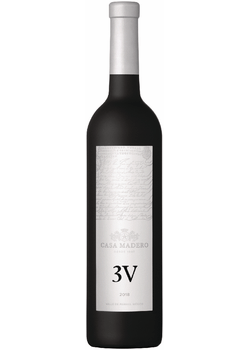
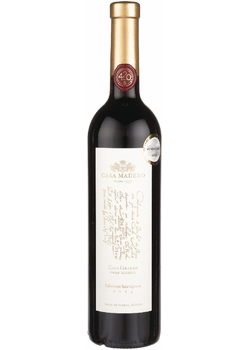
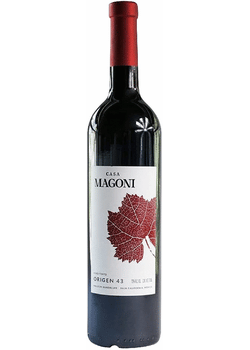
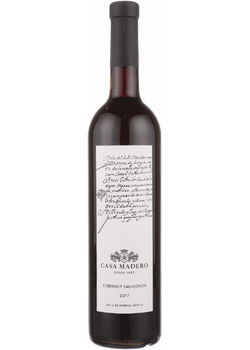
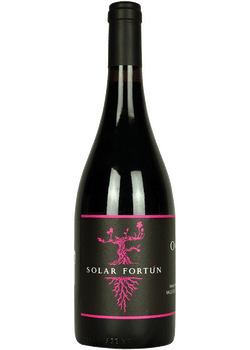
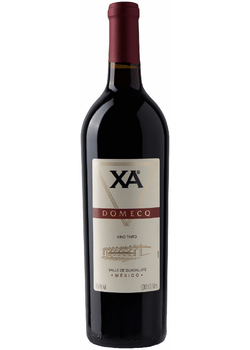
3 Fun Facts About Mexico's Wine Industry
- Casa Madero, founded in 1579 in Coahuila, Mexico's Parras Valley, is the oldest winery in all of the Americas.
- Early Mexican wines were often made with the Mission grape, a vitis vinifera varietal that makes light wine that can taste like cherry, tart hibiscus, and earth with a touch of iron. It nearly disappeared but is being embraced by natural winemakers.
- A couple of helpful Spanish words: bodega means winery, and tinto means red wine.
Mexican Wine Regions to Know
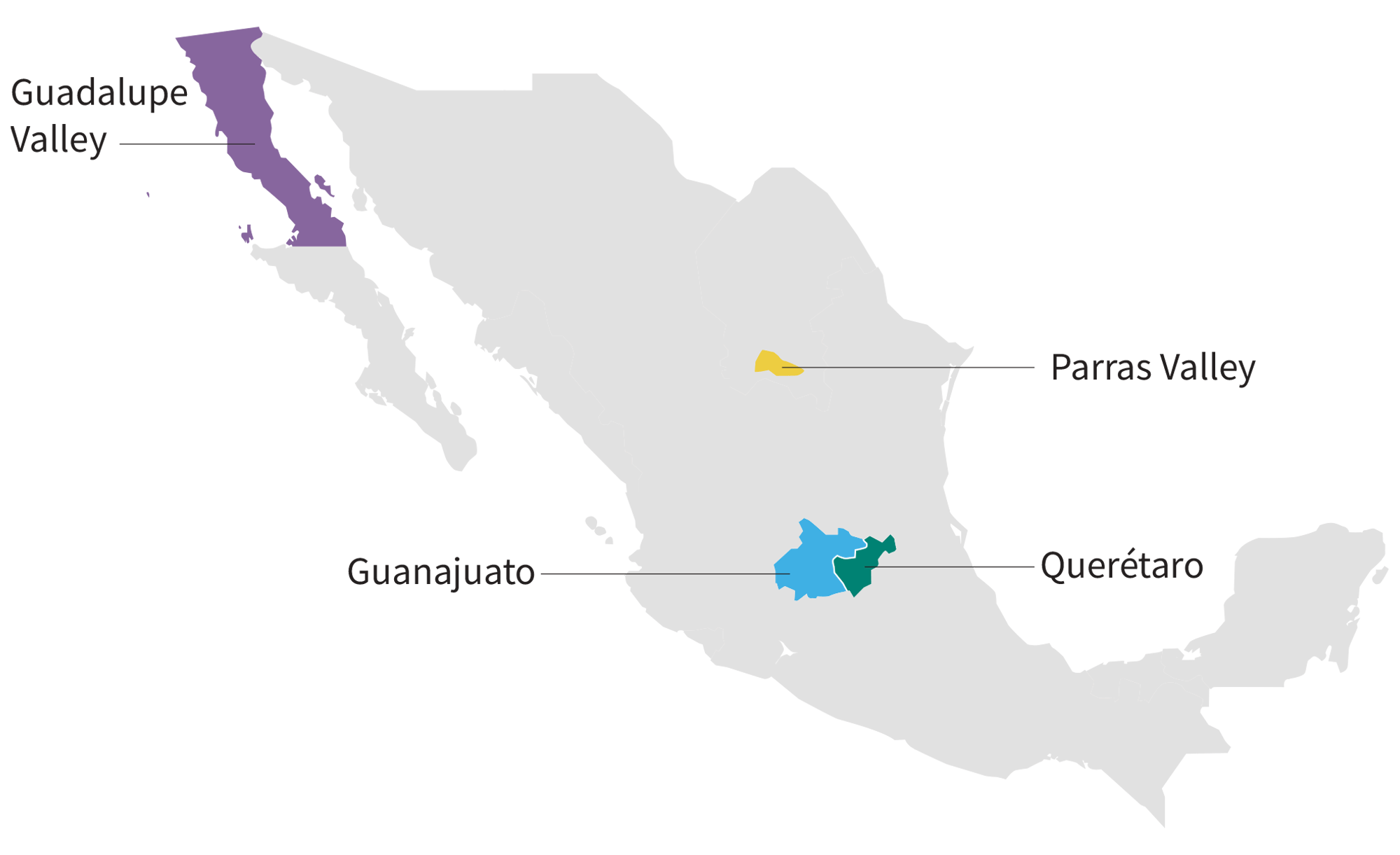
Just as wine is made across the US, the same is true in Mexico. The premier Mexican wine region is the Valle de Guadalupe (Guadalupe Valley) in Baja California Norte, about an hour south of the San Diego border. But several other areas of Mexico are gaining a fine reputation as winemaking regions.
Parras Valley
Located in the state of Coahuila, you'll find the picturesque Parras Valley. Spanish settlers founded Hacienda San Lorenzo (now called Casa Madero), the first winery in Mexico and all of the Americas, here in Parras de la Fuente in 1597. Today, more than 30 wineries make up the valley, many clustered around the town of Parras de la Fuente. You'll find wineries like Rivero Gonzalez, Viñedos Don Leo, and Casa Madero, making Cabernet Sauvignon to orange wine.
Querétaro
This region in north central Mexico is developing a reputation for sparkling wine, thanks to investment from Freixenet Mexico, a division of the Spanish brand that's the world's largest sparkling wine producer. They founded Terra Mädi, a brand of methode champenoise sparkling and still wines like Sauvignon Blanc and red blends that are produced at Finca Sala Vive. Viñedos La Redonda, De Cote Casa Vitivinícola, a modern winery that offers white, rosé, and red wines, along with dining at casual and gourmet restaurants.
Guanajuato
This central Mexican state that's northwest of Mexico City is probably best known for the artist colony San Miguel de Allende. But visitors are also heading to the Ruta del Vino (wine route), where wineries like Tres Raíces specialize in Bordeaux varietals like Cabernet Franc, Sauvignon Blanc, and Merlot, along with Mediterranean ones, such as Aglianico and Tempranillo. Bodega Dos Búhos, Cava Garambullo, and Viñedo de los Arcángeles are leading a sustainable and organic movement.
Guadalupe Valley
Baja California Norte's winemaking history began in 1791 when Franciscan monks planted a vineyard. That site later became part of Bodegas Santo Tomás, a pioneering winery founded in 1888. The cool Pacific breezes, an abundance of warm sunny days, and surrounding mountains that protect vineyards from extreme weather make it ideal for grapevines and wines with acidity and tension.
Today, this thriving wine region boasts 100 wineries, as well as creative hotels and a range of restaurants that attract a million international visitors each year. Acclaimed gastronomic restaurants like Animalón and casual Finca Altozano, which has a 100% Baja California wine list, make it easy to taste the region's best wines.
Here's an overview of some of our favorite Mexican brands to explore:
Mexico's Guadalupe wine valley is just a short drive from California's southern border, so we hope this guide inspires you to take a journey there or to your local Total Wine & More store or discover this exciting wine region. Explore more wine regions with our articles on the best Chilean Wines and old world vs. new world wines.