
What is pét-nat?
If you’ve been to a wine bar in the past couple of years, you’ve probably seen a sparkling wine called pét-nat on the menu. Pét-nat is short for pétillant naturel, which means “naturally sparkling” in French. This special category of sparkling wine is made by an ancient fermentation method.
Thanks to natural winemakers, especially in France’s Loire Valley, these fizzy pét-nat wines that are made with any grape from Albariño to Zinfandel are popular again. Why do people like pét-nat wines so much? Probably because these unfiltered wines are one of the best examples of yeast doing its thing with very little human intervention. Pét-nat wines taste fresh and fruity, but the extended contact with yeast gives them a range of wild and unexpected flavors that might remind you of a favorite craft beer or hard cider. And that’s what makes them so interesting to uncork: every bottle of pét-nat is a little different.
Just like other sparkling wines, pét-nats are excellent with food, and they’re more affordable than Champagne. And as you’ll discover, pét-nats are some of the most exciting wines to drink right now.
3 facts to know about pét-nat wines
-
Pét-nat is short for pétillant naturel (peh-tee-YOHN nah-tu-rell) an ancient way of making sparkling wine.
-
Though they require expertise, making pét-nat is a quicker, less expensive wine compared to Champagne or traditional method sparkling wines, and winemakers love the challenge.
-
If you get a French pét-nat, you won’t see the words pétillant naturel on the label. That’s because in France, the legal name for this style of wine is méthode ancestrale.
How is pét-nat made?
Pétillant-naturel sparkling wines are made by a straightforward process that’s been around for decades. Natural winemakers love them because they’re the ultimate in low-intervention wines. A winemaker will bottle fermenting grape juice and then cap it. Fermentation finishes inside the closed bottle, infusing the wine with bubbles. Some winemakers chill the bottles down to slow the action of the yeast; others don’t.
The final wine is sparkling but less effervescent than Champagne. Pét-nats have less alcohol too, since the wine only undergoes one alcoholic fermentation instead of two, like Champagne. A pét-nat is sparkling wine au naturel, so don’t be surprised if it’s a little cloudy or has some yeast sediment. That’s how all sparkling wines look before they get filtered and prettied up.
Primary Pét-nat flavors

It’s not easy to pin down the flavor of a pét-nat because they’re made with so many different kinds of grapes. And they’re often fermented with natural yeast, which is a wild card. But all pét-nat wines are effervescent with refreshing acidity and usually exuberant fruit flavors ranging from gold apple and peach to strawberry and plum, depending on the grape.
In the Loire Valley, you’ll find Cabernet Franc and Chenin Blanc pét-nats with soft creamy bubbles, vivacious aromas, and flavors of fruit, flowers, and earth, and maybe meat or nuts. The coolest part of a pét-nat is the other flavors and aromas, like savory pepperoni pizza, peanuts, or toasted grains.
Shop the Flavors of Pét-Nat Wine
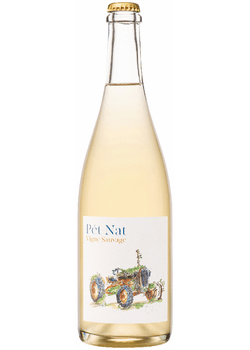
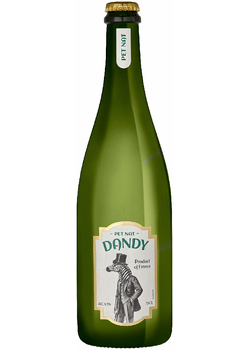
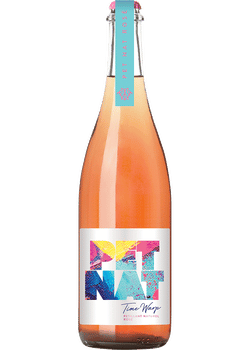
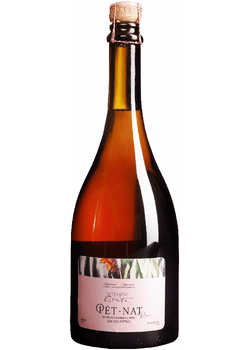
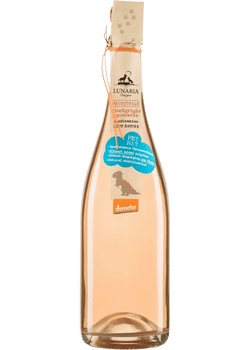
Pet Nat Food Pairings

When it comes to pairing sparkling wines with food, pretty much anything goes. That’s true for pét-nat sparkling wines, only more so. That’s because the wild, yeast-driven wines can have the texture and depth of a dry cider or an aromatic Saison beer. We’ve loved pét-nat with fried or roasted chicken, pepperoni pizza, and smoked salmon bagel sandwiches. Try a Chardonnay or Sauv blanc pét-nat with sushi and shellfish, a Cab Franc or Pinot Noir pét-nat with tomato-based pasta sauces, pork, lamb, or mushrooms.
How to Serve Pét-Nat
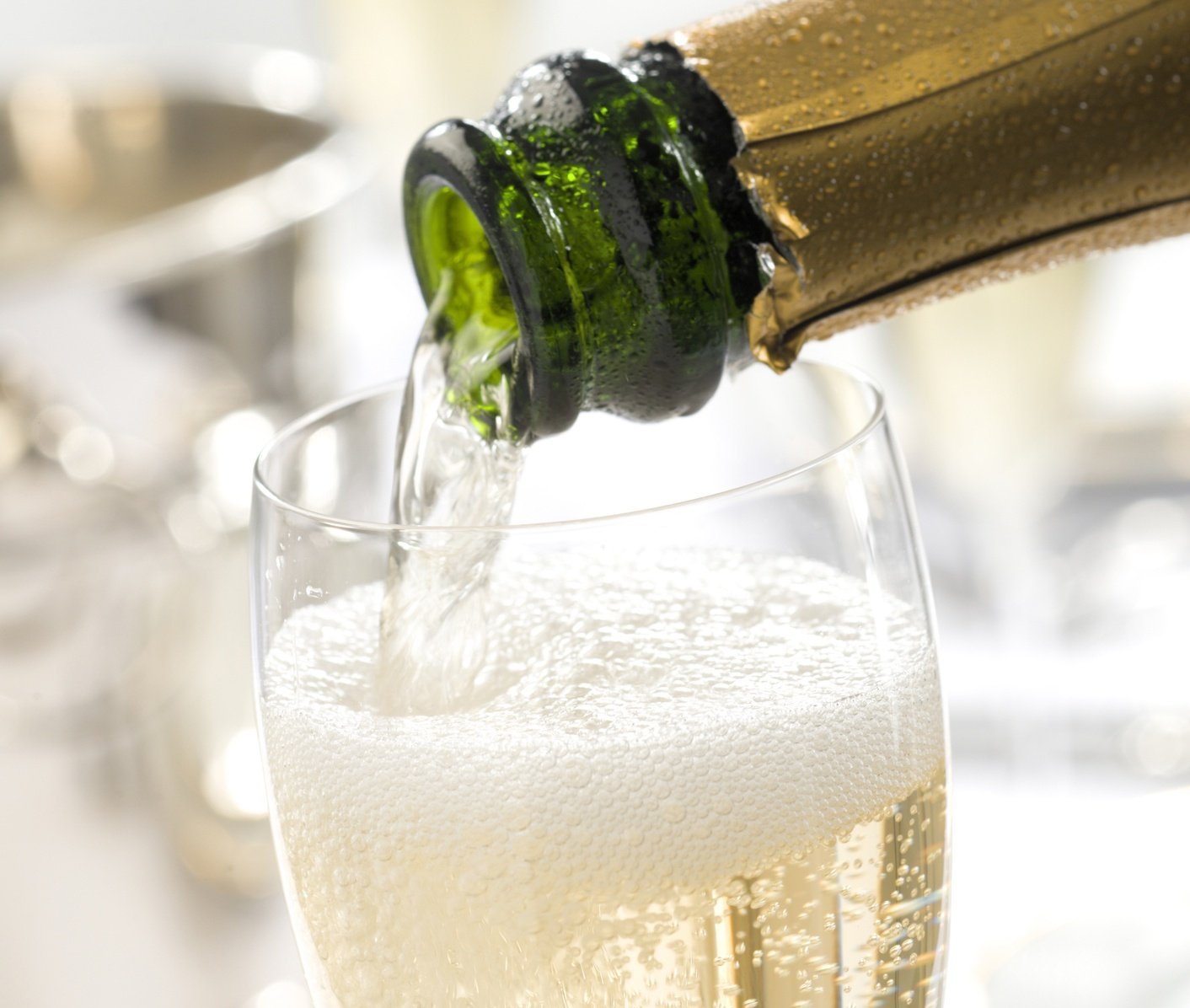
Serving pét-nat is just like uncorking other sparkling wines with one exception: there may still be sediment of yeast or grapes in the bottle. So before opening it, chill your pét- nat to 40 to 50 degrees Fahrenheit, and let the bottle sit upright so any particles settle.
When you’re ready to open it, take the bottle to your kitchen sink. Untwist the metal cage and cork, and then carefully remove it. Sometimes the bottle will foam up a bit, but it’s not as forceful as Champagne.
Sip pét-nat from a champagne flute, a coupe, a Burgundy bowl glass, or even a petite beer glass with a wide top. You want a large enough glass to enjoy the effervescence and aromas.
If you’re inspired to learn more about pét-nat wines, check out our guides on sparkling wines, how to open Champagne, and the best sparkling wines for Mimosas.