
Portugal is Western Europe’s under-the-radar star when it comes to wines that are varied, affordable, and ideal for pairing with foods from seafood to cheeses to lamb. After decades of obscurity, Portugal is enjoying culinary acclaim as more Americans visit and even relocate to Porto and Lisbon.
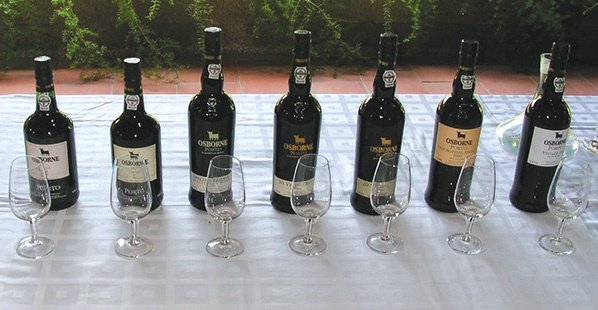
The most famous Portuguese wine region is the Douro Valley, where Port wine is made. Whether white, rosé, tawny, or ruby, Port pairs with a range of foods and is easy to love. And as you’ll discover, so are the many other wines made around Portugal.
Portugal has excellent and varied wines from five main wine regions, so it’s hard to say which is the best wine region in Portugal. For that, you’ll have to let your palate be your guide.
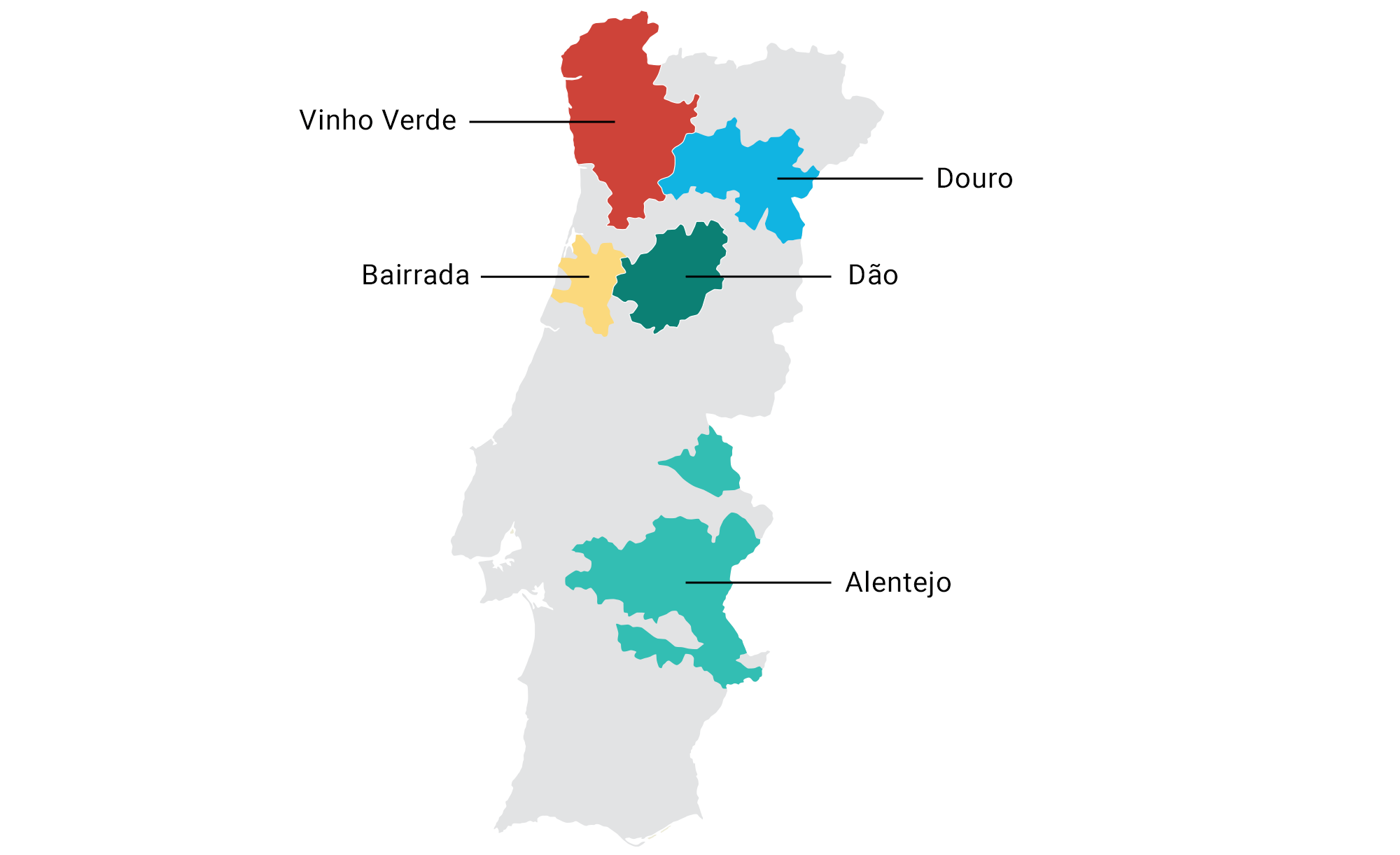
If you prefer lighter wines, you’ll want to explore the Vinho Verde region, which produces sparkling, white, rose, and red wines that are all fresh. The Dão is the place for red blends that are rich, nuanced, and satisfying. Over in Bairrada, you’ll find reds and whites that shine with the region’s pork-laden cuisine. The Douro is an ancient wine region home to the beloved Port and fine red and white wines. Finally, Alentejo is one of the most exciting regions of Portugal, both for its excellent produce and fine red wine blends. It’s not exaggerating to say there’s Portuguese wine perfect for every plate, palate, and price point.
4+ Star Rated Customer Picks
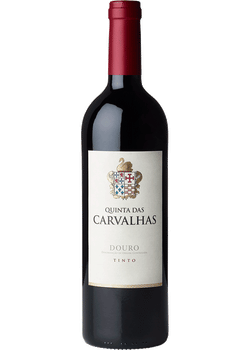
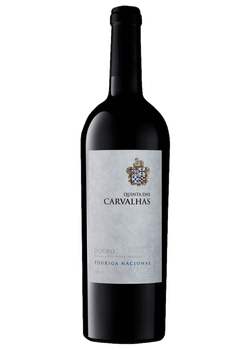
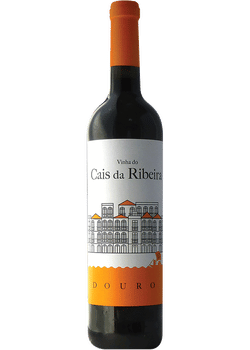
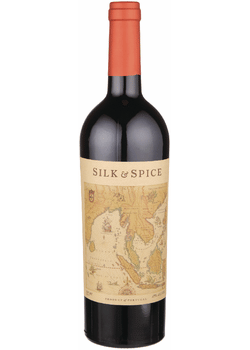
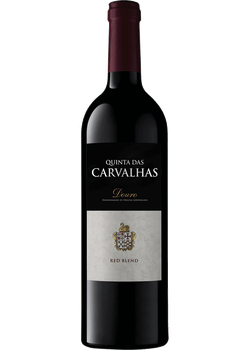
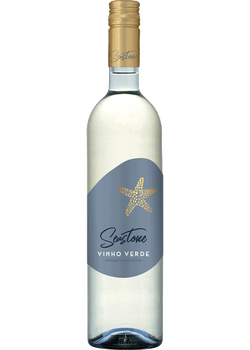
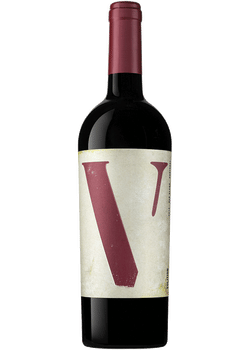
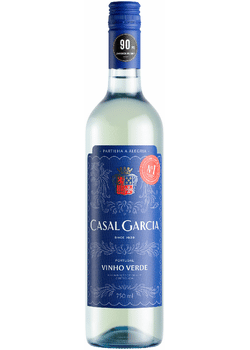
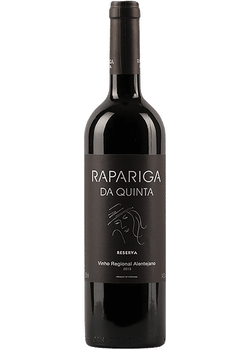
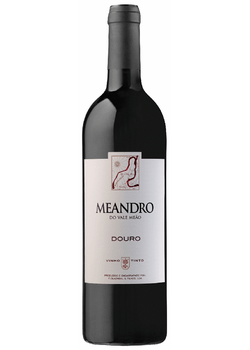
4 fun facts to know about Portuguese wine
1. Portugal is home to more than 250 native or indigenous wine grapes, including Touriga Nacional, Touriga Franca, Bastardo, and Alvarinho, known as Albariño in Spain.
2. Wine was once used as money around 2,000 BC in Portugal. The people of Tartessos, a mysterious lost civilization from the Iberian peninsula, are believed to have traded wine and other goods to build their legendary wealth.
3. Authentic Port only comes from Portugal, although sweet fortified wines inspired by Port are created worldwide.
4. The Marquês de Pombal, Portugal’s prime minister, officially recognized the Port region in 1756, making it the third oldest wine appellation in Europe.
Portuguese Wine History
Portuguese wine history goes back some 4,000 years to the seafaring Phoenicians who established colonies across the Mediterranean and planted vines. Portugal was a leading wine exporter, sending its wine throughout Europe during the Renaissance.
Wine merchants created Port wine in the Douro Valley in the 1600s by adding brandy to table wine to keep it from spoiling on hot, bumpy trips across Europe. This sweet, fortified wine became admired and imitated worldwide, and the fortified wine Madeira thrived too. But, these styles overshadowed Portugal’s other wines, made almost entirely from Portugal’s native grapes.
Physically isolated from most of Europe and its wine culture, Portugal developed wines using its 250 varieties of native grapes instead of more popular international varieties.
Portuguese wineries made everything from sparkling and crisp vinho verde to rosé and easy drinking reds blends. However, for generations, these wines were largely unknown to wine drinkers outside of Western Europe. Political unrest and war in the early 20th century disrupted Portugal’s viticulture and economy.
It wasn’t until the 1960s that Portuguese exports such as Mateus and Lancers rosés became fashionable. Those bright pink, slightly sweet wines from Portugal helped create a market for White Zinfandel when that new American style came along in the 1980s.
The world is only now discovering the breadth and beauty of Portugal’s wines, which have seen vast improvements over the past 30 years due to new talent and modern winemaking techniques.
Today, the best Portuguese wines are proudly poured at the top restaurants in Porto and Lisbon, as well as internationally. And the wines of Portugal are being embraced for their delicious and exciting flavors, their tremendous value, and the opportunity to try something new.
5 key Portuguese wine regions to know
Wine is made across Portugal, with 15 designated winemaking regions. But there are five primary wine regions to concentrate on as you explore Portuguese wine. The primary wine regions in Portugal are the Douro, Alentejo, Dão, Vinho Verde, and Bairrada. Each of these regions produces wines in a range of styles.
Douro
The Douro Valley takes its name from the Douro River, a vast and majestic waterway that helped make Port wine famous and beloved worldwide. When you visit Vila Nova de Gaia, the little town chockablock with Port tasting rooms, you’ll be thrilled by the views of the mighty river. You’ll still see ancient wooden Rabelo boats that, for nearly 2,000 years, have taken Port wine to England, Spain, and beyond.
More than 80 grapes can go into Port, including Touriga Nacional, Touriga Franca, and Tinta Roriz (aka Tempranillo). Most of these grapes grow in the Douro Valley in terraced mountainside vineyards. Summers are hot and dry, winters are wet and cold, and spring and fall are moderate. Grapes are still picked by hand and then stomped by foot.
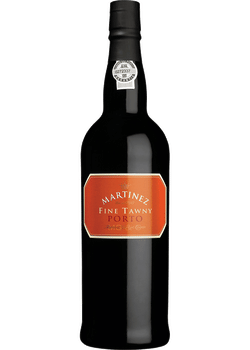
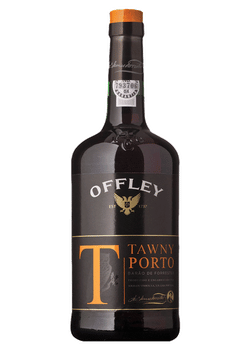
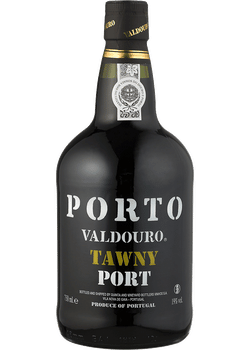
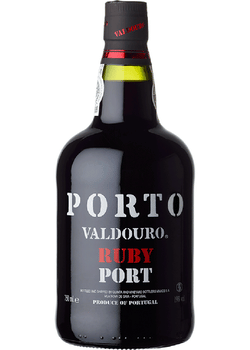
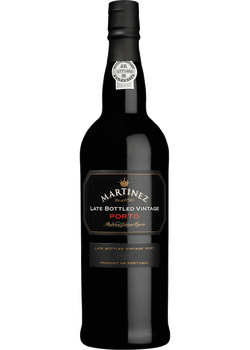
As the young wine is fermenting, brandy is added to stop fermentation, creating a sweet, fortified wine. Depending on the grapes, where it’s aged, and for how long, the wine is designated a white, tawny, ruby, rosé, or late-bottled vintage Port.
Ports are outstanding food-pairing wines that complement fruit desserts and custards to ham to blue cheese and chocolate. For more details on the best Port food pairings, check out our article on How to Drink Port Wine.
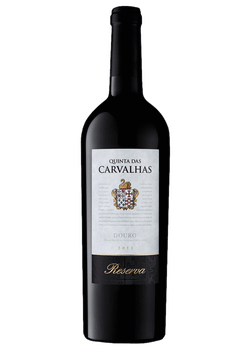
The Douro also produces refined and elegant red wine blends, sometimes blended with Cabernet Sauvignon, which some call the Bordeaux wines of Portugal.
4+ Star Rated Customer Picks
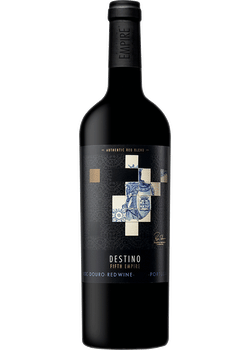
Alentejo
The Alentejo region kept showing up on menus as I ate my way across Lisbon and Porto on a recent trip. Alentejo is the bread basket of Portugal, a fertile Southern region that produces some of the best olive oil, tomatoes, and black pigs used to make an exquisite cured ham that rivals Spain’s Jamon Iberico.
For decades, cork was once Alentejo’s main export, but new investment in the 1980s has turned it into one of the most exciting places for fine wines. Alentejo produces some white and rosé, but the big story here is red blends that might mix local grapes with French varieties, including Cabernet Sauvignon.
Most of the high-end restaurants we visited featured Alentejo reds, ranging from delicate and aromatic wines with higher acid to bolder reds with more pronounced fruit and earth notes. These wines pair beautifully with pork in all forms, tomato-based dishes, and stews.
Alentejo white wines often blend Arinto and Palomino with Chardonnay for wines that are supple with lower acidity and notes of citrus, herbs, and flowers.
4+ Star Rated Customer Picks
Dão
If you love rich, aromatic, and fruit-forward red blends, you’ll love discovering wines from Dão. The central wine region is tucked away in the mountains and shielded from harsh ocean winds, so Dão grapevines flourish in the temperate climate.
Grapes, including Touriga Nacional, which originated here, develop slowly and create wines with complex aromas and natural acidity that some compare to Burgundy. Touriga Nacional is often blended with other local grapes like Tinta Roriz, Jaen, Bastardo, and Baga. Each one contributes a particular characteristic, creating layered, aromatic blends with an ideal balance of acidity, red and black fruit, and tannin.
While Dão specializes in red wine, you’ll also find whites, rosés, and sparkling wines with an outstanding balance of fruit and freshness. Pair a Dão red with Portuguese sheep and goat cheeses, roasted pork, roast beef, sausages of all kinds, and burgers or meatloaf.
4+ Star Rated Customer Picks
Vinho Verde
Vinho verde is a style of young and refreshing wine that comes from northwest Portugal. The name vinho verde means “green wine,” a reference to the fact that it’s made with young grapes that are just barely ripe, so they have lots of natural acidity. So while white vinho verde is popular, you’ll find red and rosé vinho verde too.
A white vinho verde blend of grapes like Alvarinho and Loureiro will have citrus, green apple, and floral aromas and flavors similar to a Sauvignon Blanc or Verdejo. Pour white vinho verde with vegetables, herbal dishes, and any seafood, from bacalao salt cod fritters to freshly grilled sardines.
Rosé vinho verde is often based on the local grapes Espadeiro and Padeiro, and most have berry notes. Enjoy it with all your rosé pairing favorites, such as the excellent ham from Alentejo.
Red vinho verde is rare, though it’s getting more popular. It’s usually made from the red Vinhão grape, while Padeiro and Espadeiro that star in rosé. Vinho verde tinto can be pretty dark red, which might trick you into thinking it’s a jammy wine. But this is a vinho verde, so it has notes of red fruit and earth, perfect for chilling and pairing with some charcuterie, cheese, and barbecue.
4+ Star Rated Customer Picks
Bairrada
The Bairrada DOC is a designated wine zone in the Beiras region in north-central Portugal. The Atlantic Ocean is nearby, so Bairrada grapevines enjoy ample rainfall and humidity. Especially in autumn, there are significant temperature shifts between day and night, which allow the grapes to ripen slowly with complex flavors and acidity.
Wines from Bairrada have long been prized, especially the balanced and opulent reds made from the Baga grape. Recent law changes allow French varieties, including Syrah, Cabernet Sauvignon, and Merlot, to be planted in Bairrada, so they’ll appear in blends before long.
Bical is a yellow grape that makes high-acid white wines that can taste like apricots, peaches, or tropical fruits. Bairrada was one of the first Portuguese regions to specialize in sparkling wine, often made with the high-acid white grape Maria Gomes and Bical.
Pair Bairrada’s red, white and sparkling wines with anything you like. One of the most popular dishes from Bairrada is pork seasoned with garlic, salt, and pepper, roasted until the meat is tender and the skin is crispy. Leitão a Bairrada is usually served with crunchy fried potatoes, a green salad, and orange slices. It’s the kind of dish that would work with either red, white, sparkling wine, or perhaps all three.
We hope you’ve enjoyed discovering new Portuguese wine regions, the wines made there, and the many foods that pair with them. To learn more, visit our guide to types of Port wine, how to drink Port, and types of Portuguese wine to learn more about wines of Portugal.