Rosé wine has skyrocketed in popularity since the early 2000s. And rightfully so. This pink-hued wine gives you some of the best qualities of red and white wines in one. Rosé comes in an array of shades from the palest salmon pink to bright ruby red. If you have only tried one or two types of rosé wine, you are missing out. Learn how rosé gets its charming pink color and how to choose a wine by its color.
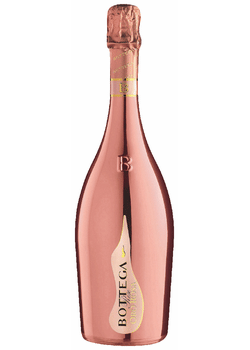
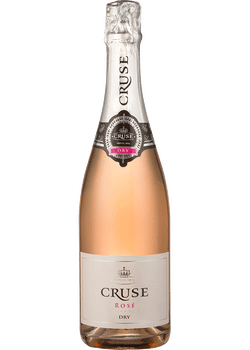
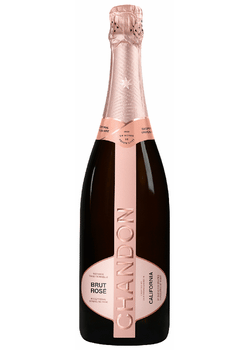
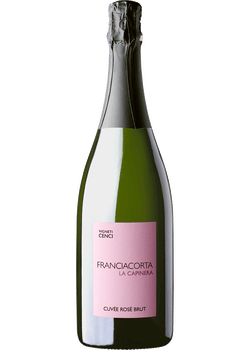
4+ Star Sparkling Rosé

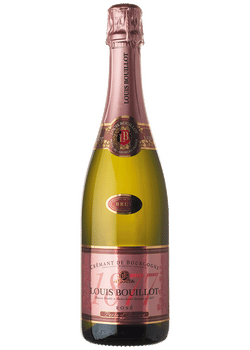
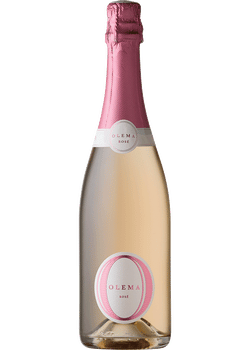
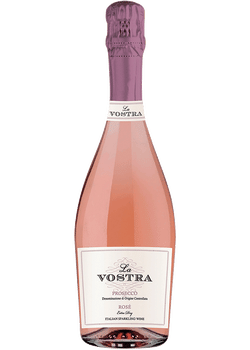
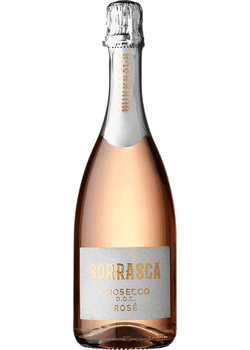
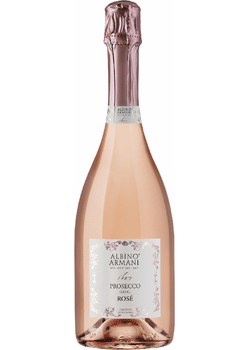
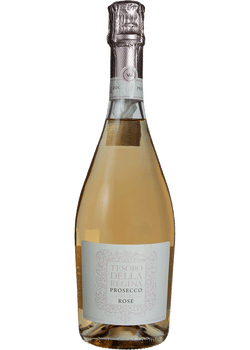
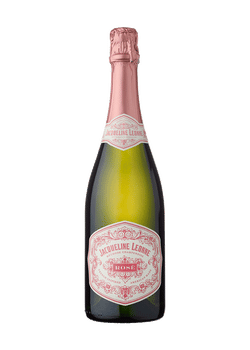
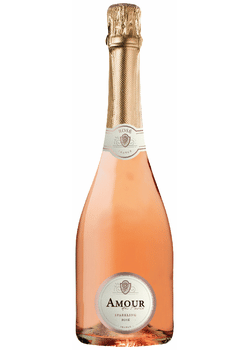
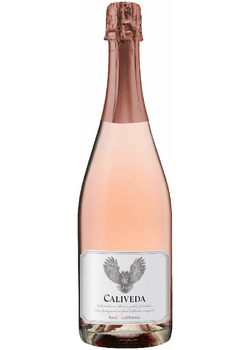
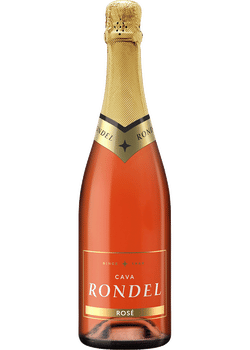
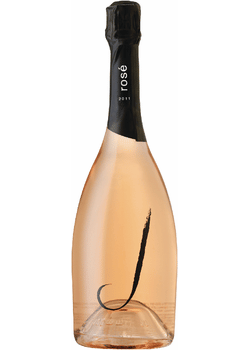
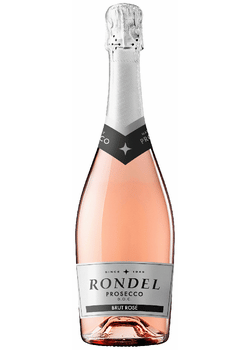
Why is rosé wine pink?
Rosé wine is not made from pink grapes, but instead from red (and sometimes white) varieties you probably know well. Grenache, Pinot Noir, Syrah, Cabernet Sauvignon, Zinfandel, and more are used to make rosé. Usually, the same grapes used to make red wine in a region are used to make rosé wine.
After the grapes are harvested, they are macerated with the skins and left to ferment for a few hours to a couple of days. This short time with the juice soaking on the skins allows some color to bleed off, resulting in pink wine. The shorter the maceration period, the paler the pink, and the longer the skin contact, the darker the pink.
Beyond color intensity, the time spent macerating on the grape skins can also add flavors, tannin, and more. The intensity of the rosé color is up to the winemaker and sometimes regulations of the region. Learn more about how rosé is made, types of rosé wine, and the key winemaking regions with our guide to rosé wine.
What color is rosé wine?
Rosé color can range from barely pink to almost red. The shade of pink can vary from orange tones, often referred to as salmon or copper, to purple or blue tinted, sometimes called ruby. This variation depends on the types of grapes used and the color of their skins.
The colors of rosé highlighted below are typical of the grape or region but are not steadfast rules. It’s ultimately up to the winemaker and what hue they decide the wine should be. Let’s jump into rosé colors from the lightest to darkest shade of pink by region or grape variety.
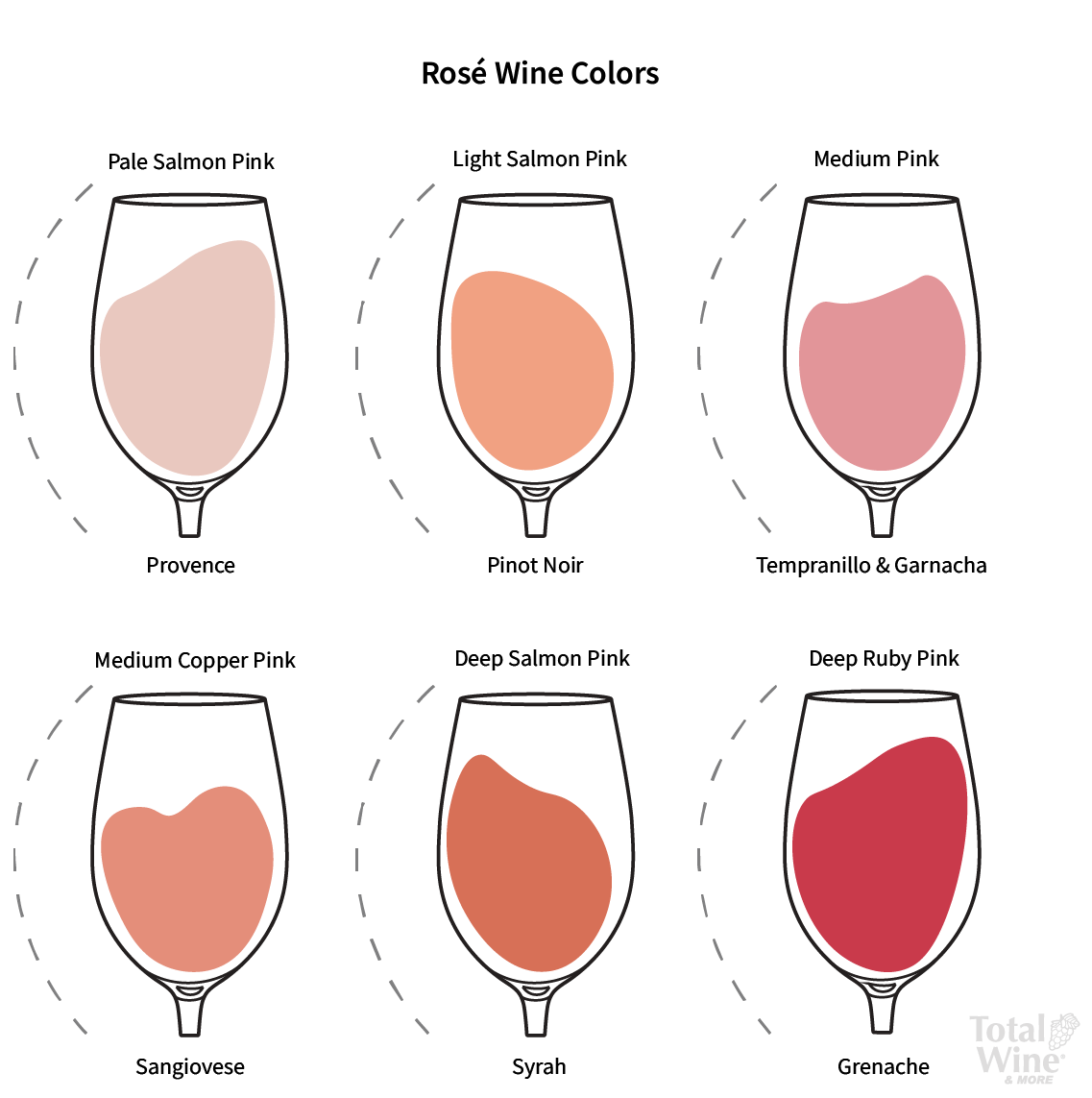
Pale Salmon Pink: Provence
The style and color of rosés from Provence are probably what first comes to your mind when you think about a cold glass of pale pink wine. Provence rosé is made from a blend of grapes, including Grenache, Mourvèdre, Syrah, Carignan, Cinsault, and Cabernet Sauvignon. These wines are made with minimal skin contact resulting in their extremely pale color. They usually have aromas and flavors of watermelon, grapefruit, strawberries, flowers, and fresh herbs. Refreshing acidity and dry (not sweet), these wines are perfect for sipping on a hot summer day.

Light Salmon Pink: Pinot Noir
Rosé wines made primarily from Pinot Noir grapes are slightly darker than the wines of Provence. These rosés have bright fruit flavors and lots of acidity, just like red wines made from Pinot Noir. They are not quite as floral but full of red fruit flavors, such as strawberry and cherry, as well as melon, orange, lemon, and sometimes wet stone. Look to California, Oregon, and Sancerre, France, for Pinot Noir rosé.

Medium Pink: Tempranillo & Garnacha
Our next shade of pink takes us to Spain, where rosés are called “rosados.” Garnacha (Grenache) and Tempranillo are the primary grapes used in the regions of Rioja and Navarra to produce these medium pink wines. Rosados tend to have a bit more spice than other roses, just like many red wines of Spain. You’ll find flavors of berries, ripe watermelon, pepper, and floral notes. Wines are also sometimes aged in oak barrels to add additional complex flavors. Rosé from Spain is also often made using the saignée method, where pink juice is bled off a red wine to make it more concentrated.

Medium Copper Pink: Sangiovese
In Italy, rosé is called “rosato” and darker colors are called “chiaretto” (claret). Rosé made from Sangiovese, the key grape of Tuscany, is a medium shade of pink with sometimes copper or salmon undertones. These wines are fruit-forward and usually dry with flavors of raspberry, cranberry, melon, cherry, and clove.

Deep Salmon Pink: Syrah
While the following two wines are nearing red in color, they are still considered rosé. Syrah grapes have deep-colored skins and, when left to macerate with the juice a bit longer, create wines with a deep salmon-pink color. Because of the extended skin contact, these wines also tend to have more tannin than other rosés. Expect darker red fruit flavors of dried cherry, plum, and blueberry, as well as peach, smoke, and spice. Look to southern France, California, Washington state, and Australia for rosé made from Syrah.

Deep Ruby Pink: Grenache
A bright but deep ruby pink can be seen in rosés from the Southern Rhone, most notably, Tavel. Grenache grapes are blended with Cinsault, Mourvèdre, Syrah, and other grapes of the region to create this vibrantly colored wine. Rosés with deep color like this have more body and structure and can sometimes benefit from aging to develop complexity. Enjoy rich flavors of raspberry, blackberry, cherry, and strawberry.

Next time you grab a bottle of rosé, think beyond Provence’s iconic pale salmon pink and try a different hue from regions across the globe.