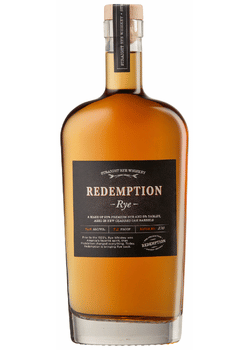
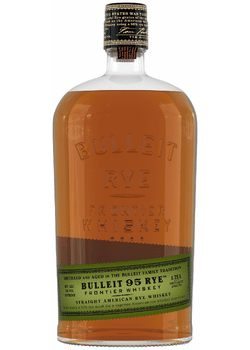
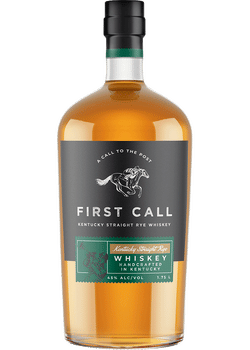
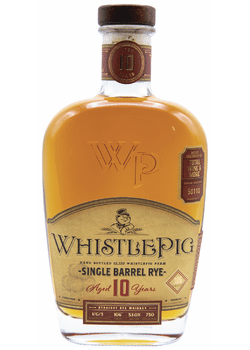
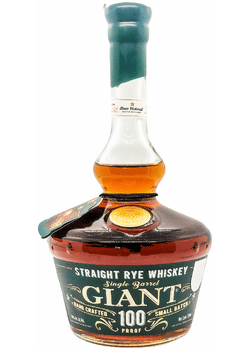
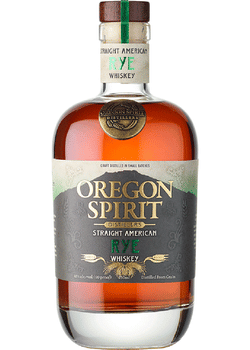
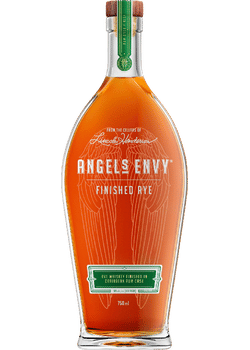
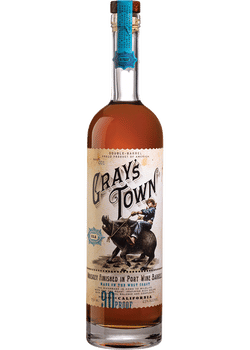
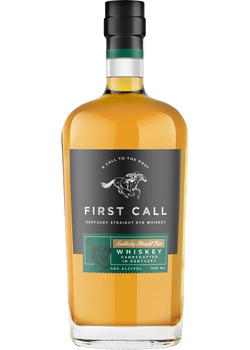
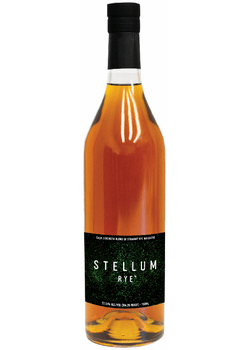
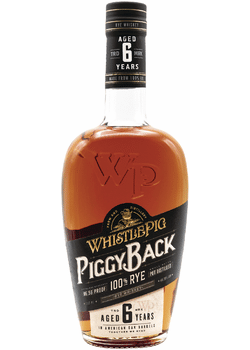
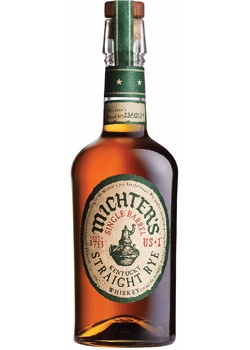
Rye is made using the same process as Bourbon and other American Whiskeys, aging for a minimum of two years in charred oak barrels, but 51 percent or more of the grain bill must be rye. The rye grain lends the whiskey spicy, fruity notes, and typically a lighter body than Bourbon or other corn-based American Whiskeys.
Canada is another source for rye. Canadian producers often blend Straight Rye Whisky into other grain- or corn-based Whiskies to add rye flavor to the mix. That’s why “rye” is sometimes shorthand for Canadian Whisky, whether or not the spirit is predominantly rye.
Rye was the first whiskey colonists made upon arriving in what would become the United States of America. The English and Scottish settlers were used to Scotch Whisky, made from a base of barley, but the rye grain was easier to establish in northeastern farms (including that of George Washington, noted whiskey producer). Later, distillers in the southern United States began making sweeter Bourbons and other corn-based Whiskeys, and rye diminished in popularity. In recent years, with the explosion of interest in craft and retro cocktails, rye has come roaring back. Rye cocktails include such classics as the Manhattan and the Old-Fashioned.