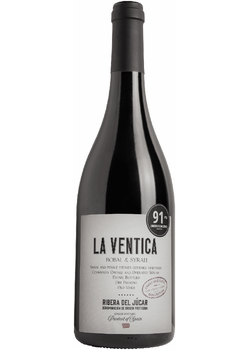
While most people are most familiar with red wine grapes such as Cabernet Sauvignon, Merlot, and Malbec, Spanish wines are most commonly made with lesser-known native grape varietals. You have probably heard of the famous Tempranillo grape. And you may know of Monastrell (or Mourvèdre) and Garnacha (or Grenache) but did not know they are actually from Spain!
Beyond these three, there are even more red winemaking grapes that originate in Spain. We’ll cover these and a few more, plus some regional red wine blends you should know (and try!).
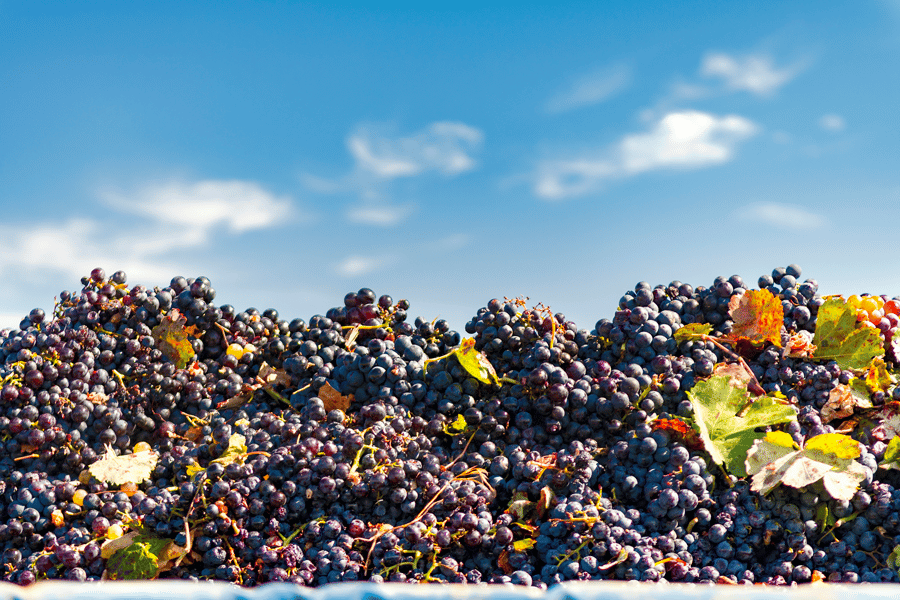
Overview of winemaking in Spain
Spain has more acres of grapevines than any other country. But it is only the third-largest product of wine after Italy and France. The climate can be harsh, making it hard to grow grapes.
The different wine-growing regions of Spain also have extremely diverse climates. Central Spain has hot days and cool nights, while northwestern Spain is much wetter and colder. Northeastern Spain, where iconic Cava resides, grows grapes at high altitudes along the Mediterranean Sea. And don’t forget about the Canary Islands where volcanic soils impart unique terroir on the wines. All these variations in soils and microclimates result in a multitude of wine styles to discover.
If you want to dive deeper into the different wine regions of Spain, explore our Spanish wine guide.
Spanish red grape varietals
Now that we have a few basics out of the way, we can dive into different types of Spanish red wine.
Tempranillo
Tempranillo is Spain’s most famous native grape. Tempranillo grapes ripen early, which is where it gets its name, meaning “early” in Spanish. This grape is also known by other names in Spain such as Ull de Llebre (or “eye of the hare”), Cencibel, Tinto Aragonez, and Escobera.
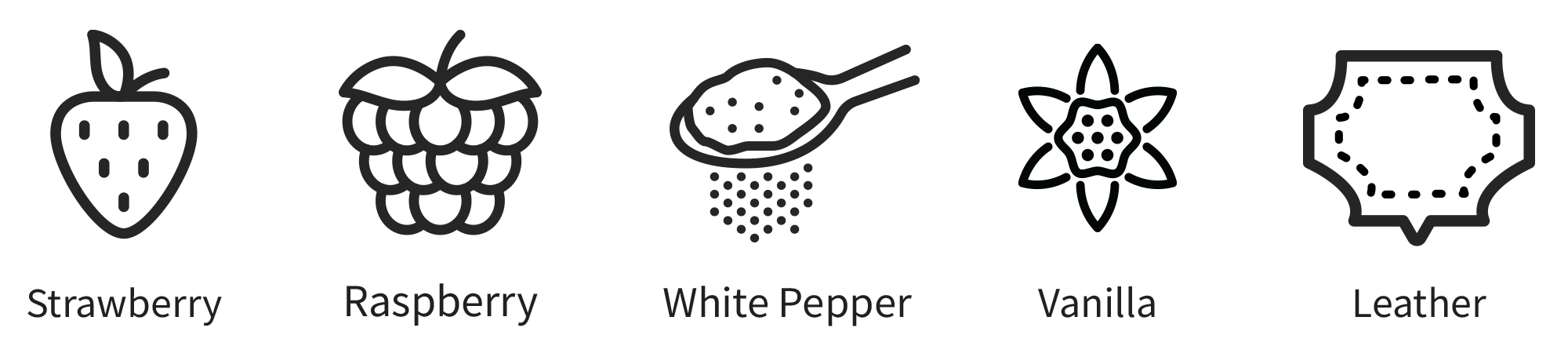
Tempranillo wines are fruity, fresh, and ripe. You’ll find flavors and aromas of strawberry, cherry, plum, and spices when young. As they age, they develop more complex flavors and earthiness such as vanilla, leather, and tobacco.
Wines made with Tempranillo are often high in tannin which makes them good for aging. They are a little softer than Cabernet Sauvignon — but not as high in acid as Pinot Noir. However, Tempranillo can be made into a wide range of styles depending on where the grapes are grown in Spain.

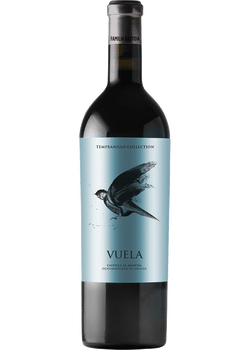
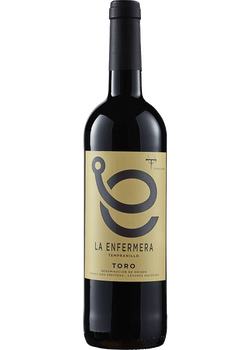
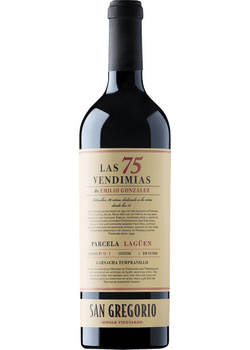
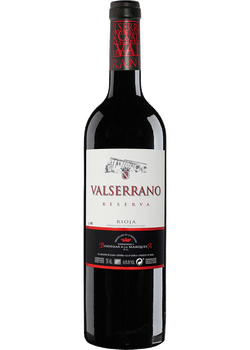
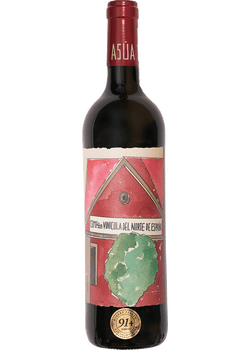
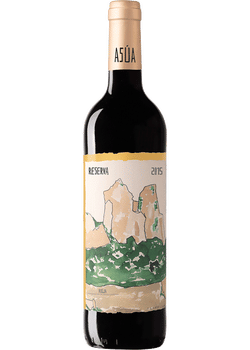
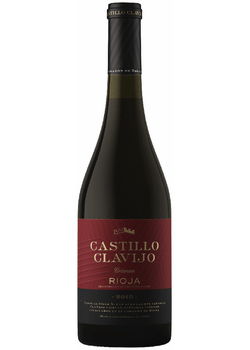
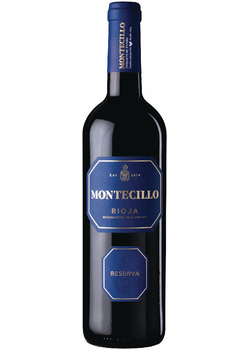
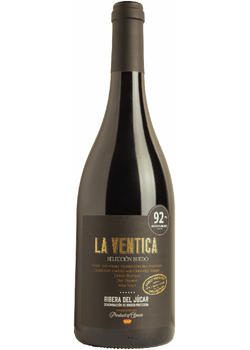
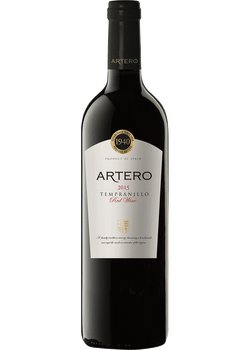
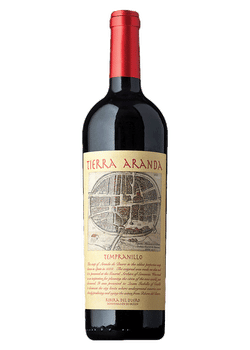
4+ Star Rated Tempranillo
Garnacha
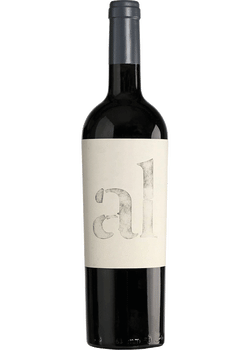
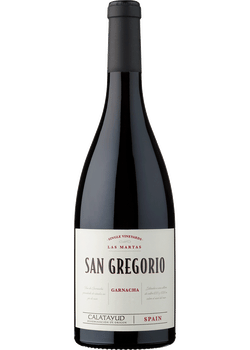
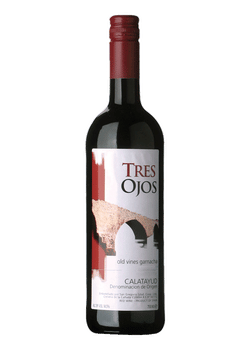
Garnacha, also known as Grenache in France, is grown in northern Spain. The dark berries have light flesh, delicate tannins, and medium acidity. Red fruit flavors such as raspberry, strawberry, and hibiscus make it more similar to Pinot Noir than Grenache from France. Garnacha is often blended with other grapes to balance tannin and acidity. It can also be used to make rose wine, known as rosado in Spanish.
4+ Star Customer Rated
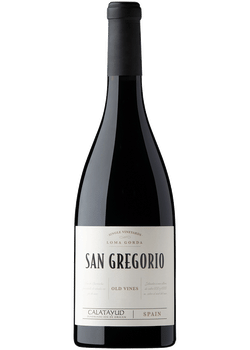
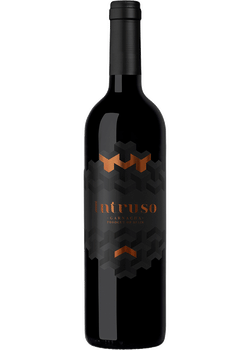
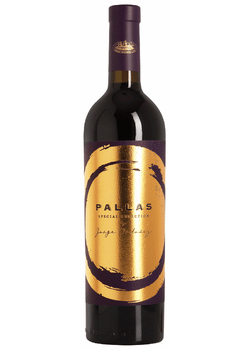
Monastrell
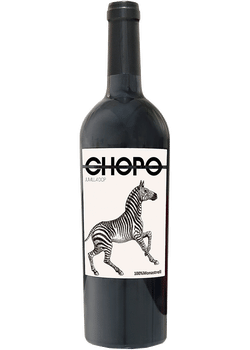
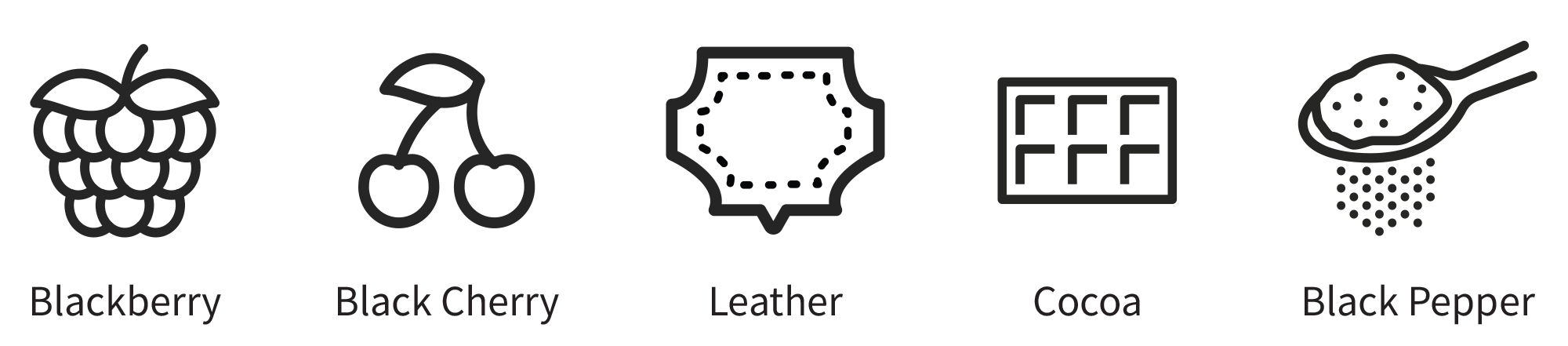
Also known as Mourvèdre, Monastrell is another native grape to Spain that made its way to France. Wine featuring Monastrell has flavors of black cherry, blackberry, leather, black pepper, and cocoa.
The grapes are small, thick-skinned, and intense in color, producing high alcohol and high tannin wines when young, but are excellent for aging. Because it is very late ripening, it makes it easier to grow in the warmer climate of central and southern Spain in Yecla, Jumilla, and Bullas.
Mencia
Mencia is grown throughout the cooler mountain areas of northwestern Spain and was once thought to be related to Cabernet Franc but has since been disproved. It is also known as Jaen in Portugal.
If you like herbaceous lighter-bodied red wines like Cabernet Franc, Mencia is an excellent option to try. Wines made from Mencia have flavors of currant, cherry, and pomegranate with spicey and savory notes of dried herbs, licorice, and graphite. A medium body and high acidity make Mencia a great food companion.

Bobal
Bobal grows in central Spain in Utiel-Requeña, Manchuela, Ribera del Jucar, and Valencia. The dark-skinned berries are drought resistant but sensitive to springtime cold. They produce fruity, aromatic wines that are berry-forward with flavors of blackberry and raspberry and notes of licorice, tobacco, and tea. High in tannin and acidity, Bobal is often blended with other red grapes to make Tinto blends but can be found as a single varietal wine.

Spanish regions and red blends to know
Rioja
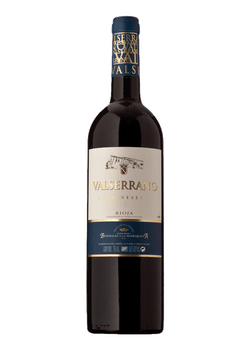
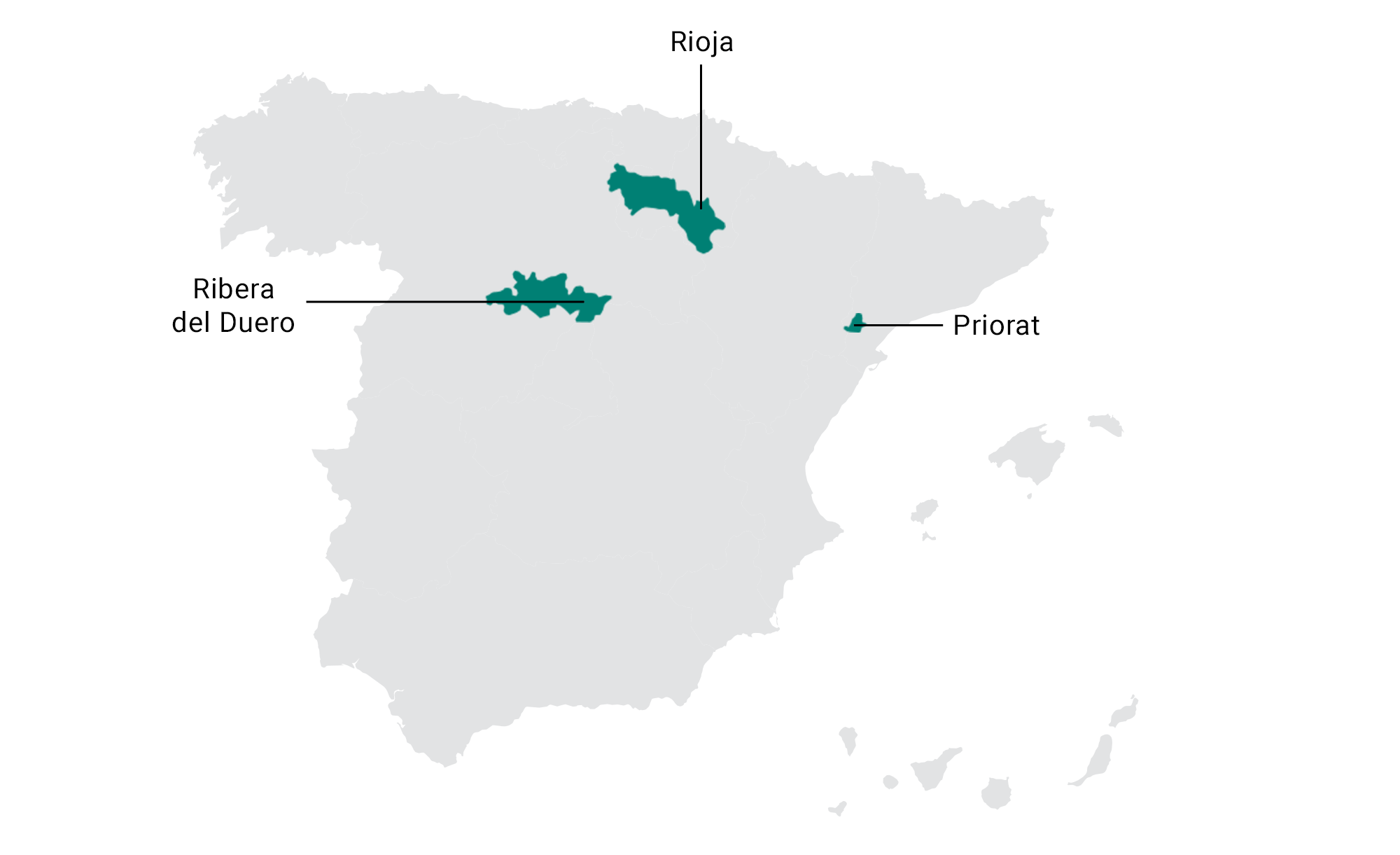
Rioja is the most famous red wine from Spain. It is made in the north of Spain along the Ebro River. Within the Rioja region, there are three subregions: Rioja Alta, Rioja Alavesa, and Rioja Oriental.
The primary grapes that makeup Rioja red wines are Tempranillo and Garnacha. Tempranillo is the primary grape and blended with Garnacha for balancing tannin and acidity. Carignan and Graciano can also be part of the blend.
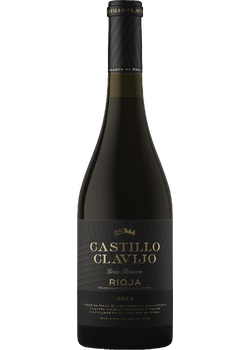
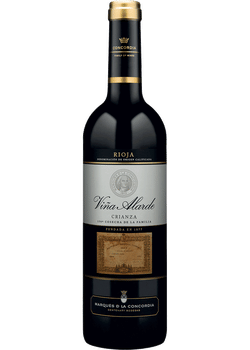
Wines from Rioja improve with age and are labeled with the aging classifications, Crianza, Reserva, and Gran Reserva. You can get excellent wines within any of these age categories — it just depends on the quality of wine you are looking for and how much you want to spend.
Rioja wines have medium to high acidity and a medium to full body. They have flavors of cherry and plum, with notes of dill, graphite, and tobacco. They are often aged in American oak which imparts aromas of vanilla and helps to smooth out tannins. Some say they can resemble a red Burgundy with refinement, earthiness, and complexity from aging.
Ribera del Duero
The Duero River Valley is known for hot summers. Most grapes are planted on high-altitude plateaus that have chilly nights to temper hot days. Wine in this region did not start to take off until the 1980s with the famous winemaker, Vega Sicilia.
If you love big, rich reds, this is the region for you. Ribera del Duero wines are made from a blend of native Spanish grapes and non-native grapes including, Tempranillo, Garnacha, Malbec, Merlot, and Cabernet Sauvignon. These wines are built to age with rich tannins from the dominant Tempranillo grape.
You’ll find sweet black fruit flavors of berries and cherries, along with aromas of dried herbs, graphite, spices, and chocolate. You can also find single varietal Tempranillo wines that are deep-colored and firm flavored. Most wines are aged in oak which imparts vanilla aromas.
Priorat
The Priorat region can be found in Catalunya, in the northeast of Spain around Barcelona. Priorat was once farmed by Carthusian monks until the government sold the land to farmers in the 1800s. The region was then neglected when phylloxera infected the vines. In the 1980s winemakers started regrowing and rebuilding the region.
Most vineyards are at high altitudes where it is hard to use mechanical equipment. This means the wine can be more expensive because of the low yield and high demand.
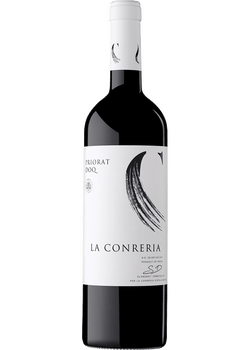
Priorat red wine blends are primarily made with Garnacha and Carignan grapes, but can also include Cabernet Sauvignon, Merlot, and Syrah for added richness. Priorat wines have flavors of dark berries, currant, mocha, leather, and rock. They have high levels of tannin and a full body.
Now that you know some of the classic Spanish red wines, take a look at what we have in store or explore more about Spanish wine with our guide.