
What is Port wine?
Port wine is a sweet style of wine from Portugal that's fortified with brandy to help give it longevity and depth. But within the Port category, there's a surprising variety in styles and sweetness levels.
Port comes from Portugal's Douro Valley, a striking and scenic region with a mighty river, rocky cliffs, and terraced vineyards. Whether tawny, white, ruby, or rosé, all Port is a blend of local grapes, such as Touriga Franca and Tinta Roriz (Tempranillo), creating a more significant wine than the sum.
Adding a little brandy to sweet wine started to help preserve wine during the voyage from Portugal to England. Now, Ports are fortified and then carefully aged in Port lodges in oak or bottles, depending on the style. The sweet flavors, ranging from brown sugar and nuts to berries and chocolate, have inspired winemakers in South Africa, Australia, and the United States to create Port-inspired wines.

3 facts to know about Port wine
- Brandy was initially added to Portuguese red wine to help preserve it during the long journey to England.
- Port, aka Porto, takes its name from the town of Porto, where much of it is made, aged, and bottled.
- While sweet fortified wines inspired by Port are created worldwide, authentic Port only comes from Portugal.
Color

Tasting profile
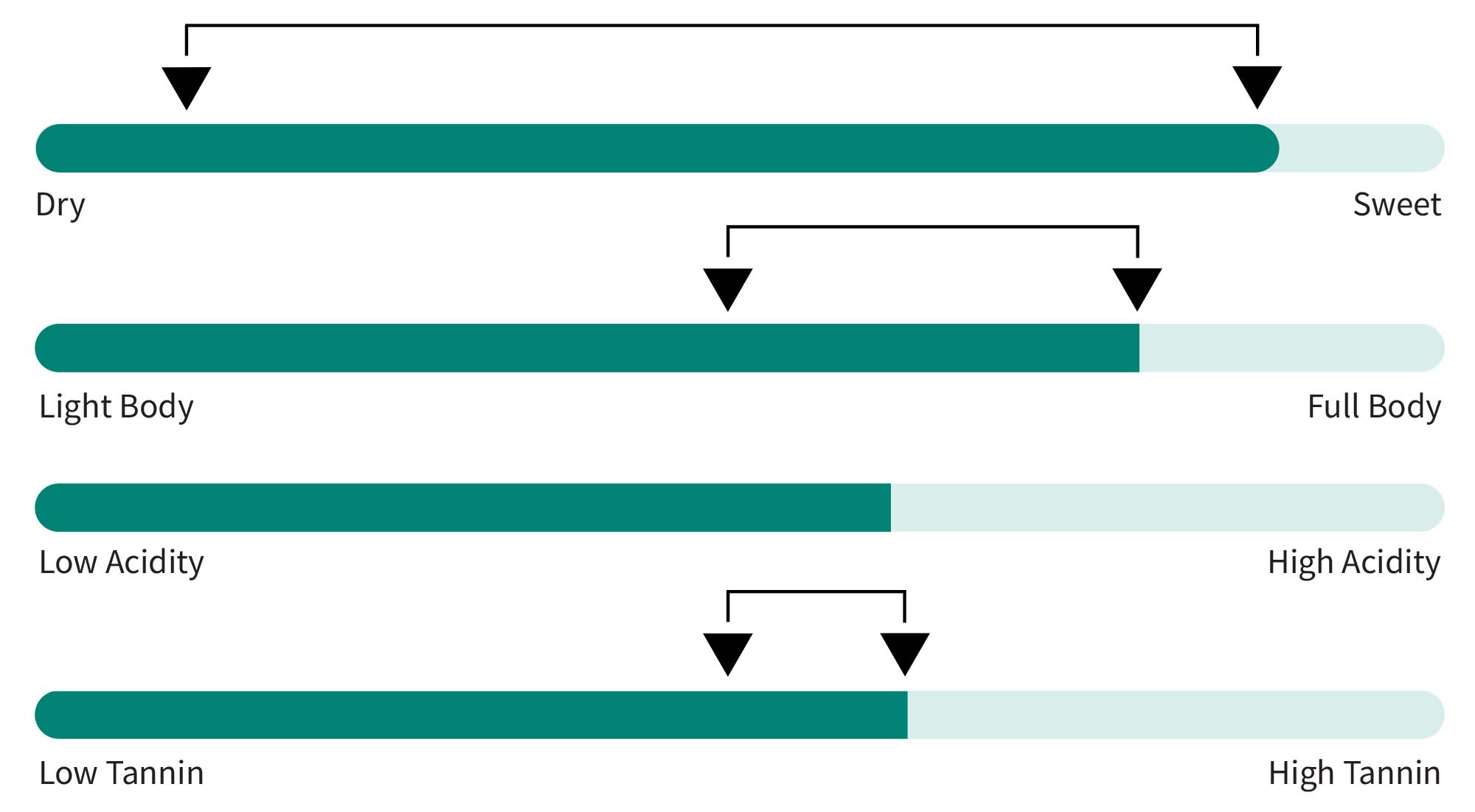
Port comes in a range of hues, from white to rosé and golden brown Tawny Port to deep red Ruby Port. While most Port is sweet, the sugar is balanced by delightful freshness. The wines are made from acidic local grapes, including Touriga Franca, Touriga Nacional, and Tinta Roriz. The sugar in the wine gives most Port a weightiness that coats the palate, though dry white Ports are an exception. Port grapes are tiny with thick skins, which induce the Port wine juice with color, flavor, and tannin.
Types of Port: Styles & flavors
Here's a rundown on the major styles of Port you'll see on the shelves of your favorite bottle shop.
Tawny Port

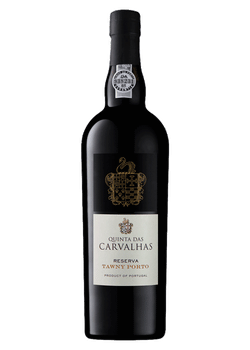
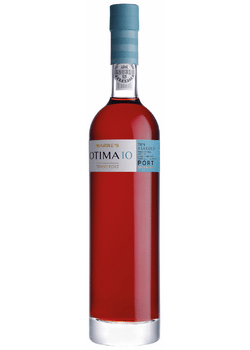
Tawny Ports are aged in small wood barrels, where the exposure to air and evaporation allow them to develop a russet color and caramel, nut, and dried stone fruit flavors. Entry-level Tawnies are aged three years; more expensive ones could be aged 20 years or more.
4+ Star Customer Rated










Ruby Port

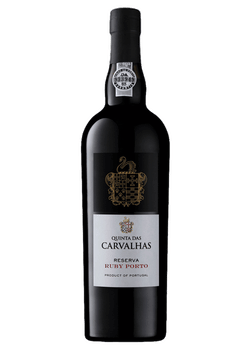
Ruby Ports are made the same way as Tawnies, except that Ruby Port is aged in large wood casks, concrete, or stainless steel tanks, preserving the wine's red color and natural berry flavors. Rubies are the least expensive Port to produce and the most plentiful.
White Port

Made of a blend of white grapes used to make still wine, White Ports can be dry or sweet. It all depends on when brandy is added to stop fermentation. Some are aged in wood; others are held briefly in metal tanks before bottling.
Rosé Port

Inspired by the year-round popularity of Rosé, this newest style of Port that debuted in 2008 is made gently to capture fresh berry flavors. The grapes are lightly pressed and then aged briefly in stainless steel.
Late Bottled Vintage Port

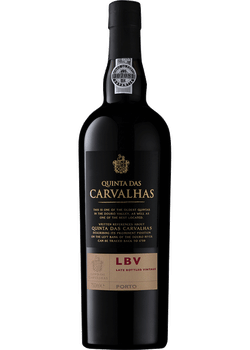
While other Ports are usually a blend of wines from several vintages, LBV Ports are always Ruby Ports from a single harvest year. They're aged for four to six years and then bottled. Some LBVs still have a fresh, fruit-forward flavor profile, while others have more oak influence.
Vintage Port

A Vintage Port is a Ruby Port from a single exceptional year. Individual Port producers decide to declare vintages, and when one house does, their neighbors usually follow. Entry-level Vintage Port is aged three years, while the top-level Colheita is aged seven years.
4+ Star Customer Rated
Other Port-inspired wines
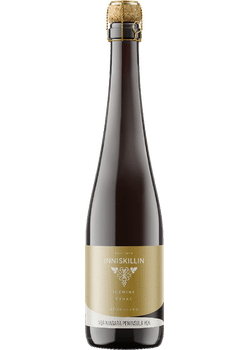
Port only comes from Portugal, but Port-inspired wines are also made in South Africa, Australia, and the United States. You'll see the word "Port" on sweet fortified wines from the United States, but no other country uses the term anymore out of respect for the laws and legacy of Portugal's famous wine.
Port food pairings
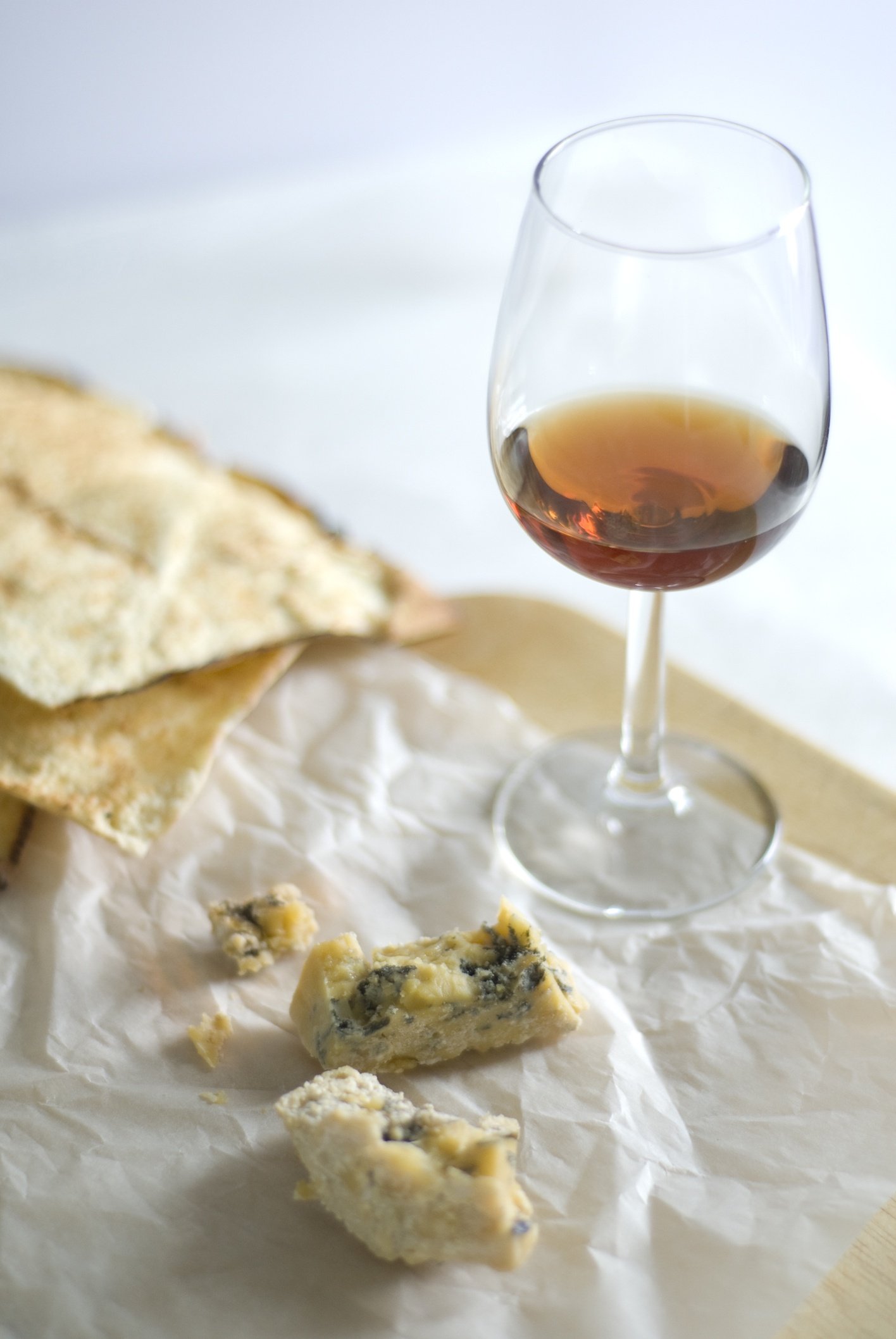
Given the broad range of Port styles, it's hard to think of a food that doesn't pair with Port.
Tawny Port

Tawny Ports are delicious with anything with nuts, blue cheese, aged Gouda, foie gras, baked ham, prosciutto, bacon, almond tart, apple pie, spice cake, and bananas Foster.
Ruby Port

Ruby Port is ideal with dark chocolate, berry pudding, mixed berry cobbler, and blue cheese. It's also the wine used to make poached pears stuffed with blue cheese. More daring Ruby Port pairings include steak, especially if it's paired with a Port wine sauce.
White Port

Pair a dry White Port with shellfish like shrimp, crab, smoked salmon, and salty foods like green olives, sheep milk cheese, and potato chips. Dry White Port is a great stand-in for vermouth in a martini or a local riff on the classic G&T called Portonica (or Porto Tonico). Sweet White Port shines with fruity desserts, from mango sorbet and lemon tarts to strawberry shortcake and peach pie.
Rosé Port

The fresh berry flavors and acidity in Rosé Port complement anything you'd pair with sweeter rosé wine, including ham, quiche Lorraine, berry desserts, or even light chocolate desserts. Or drizzle some Rosé Port into sparkling wine to create an easy cocktail.
Vintage and LBV Port

Vintage styles of Port deliver a combination of dark berry flavors, cocoa, and fig. These old Ports are delicious with tiramisu, creme brûlée, date cake, fig tarts, fruitcake soaked with rum, chocolate shortbread, or a coffee cake with lots of pecans and cinnamon.
4+ Star Customer Rated
How to store, serve, & enjoy Port
All Ports taste better with a bit of chill. So serve a few ounces around 60 degrees Fahrenheit in a Port wine glass or small dessert wine glass.
If you're curious about Port and other dessert wines from around the world, visit our guide on Sherry and other international dessert wines.