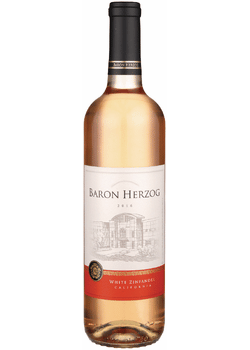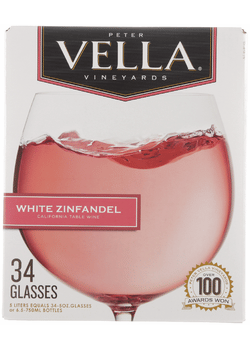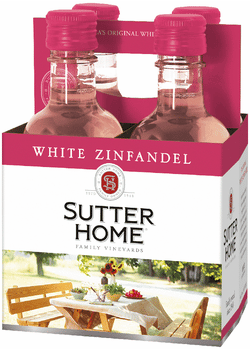
What is White Zinfandel?
To understand what White Zinfandel is, we first need to take a closer look at the red winemaking grape, Zinfandel. Zinfandel was imported to the United States back in the 1830s from Croatia. It thrives in warm, sunny climates like California. Today, Zinfandel is the second most widely planted grape in California. There are even some Zinfandel vines in California that are over one hundred years old!
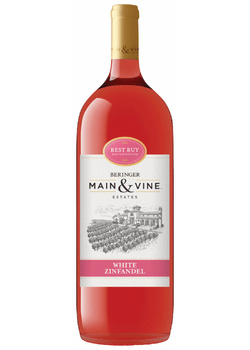
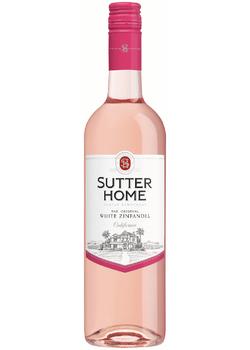
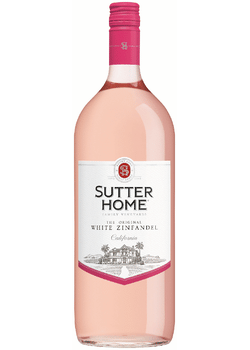
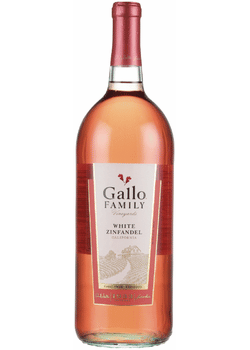
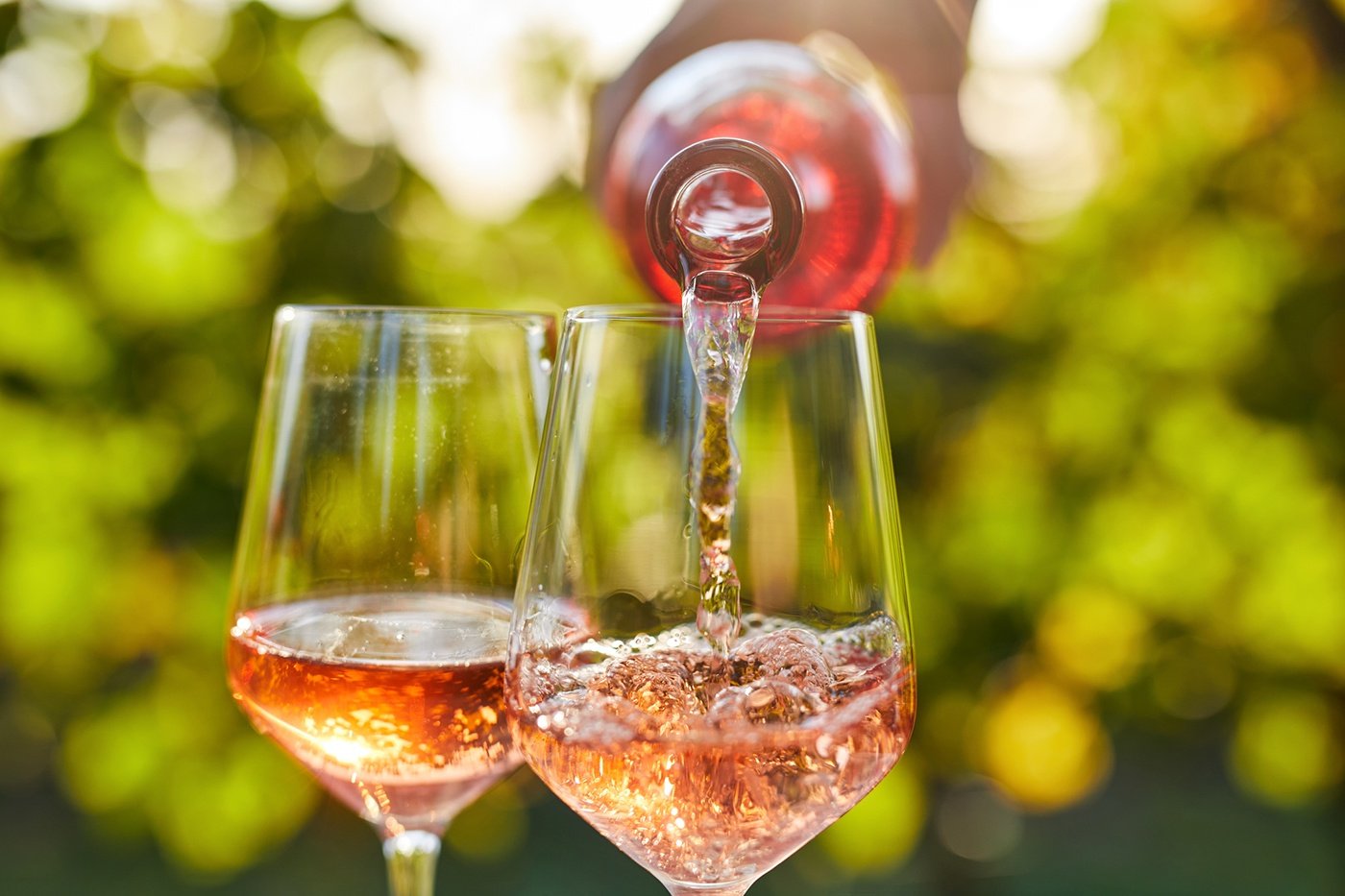
So, what is White Zinfandel? Whether you love it or maybe are not its biggest fan, White Zinfandel is a rosé wine made using the Zinfandel grape.
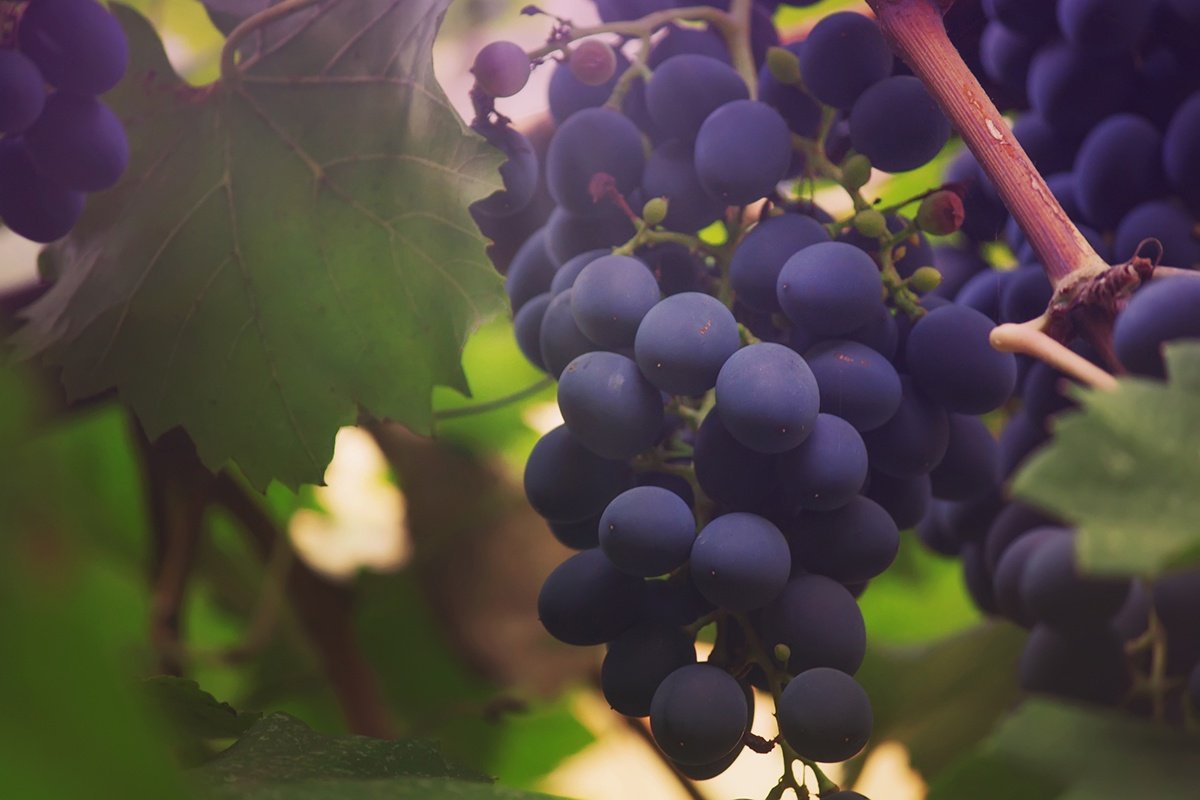
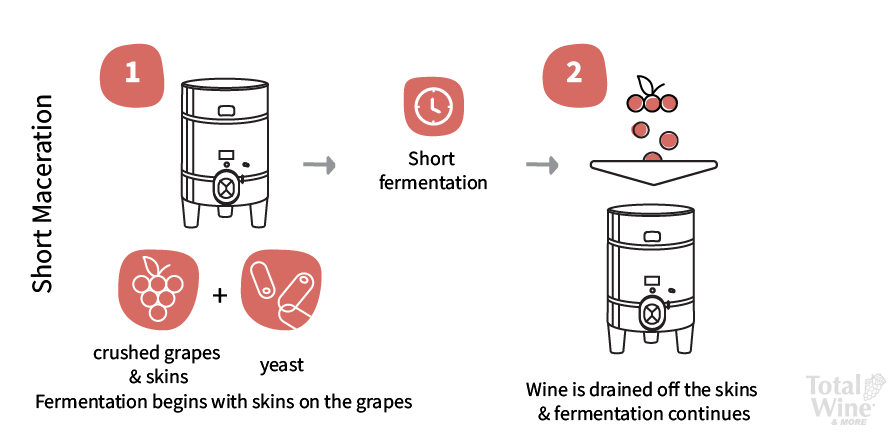
To achieve the pink color, winemakers use a technique called short maceration. The winemaking process starts the same way as if you were making red Zinfandel — the grapes are crushed, and fermentation begins with the skins on the grapes. However, after only a couple of hours, the wine is drained off the skins and continues fermentation in the same way as white wine. The short time fermenting on the skins gives the wine just enough time to extract a light pink hue but not become the deep purple of red Zinfandel.
White Zinfandel is generally a medium-sweet wine. This is achieved through stuck fermentation. In a dry wine, the yeast consumes all the sugar from the grapes so that very little, if not any, is left in the wine. With stuck fermentation, the yeast are removed before all the sugar is consumed, leaving a touch of sweetness. Because the wines do not ferment all the sugars, less alcohol is produced, leaving a wine that is lower in alcohol, around 8-10% ABV.
Unlike some red Zinfandel wines, White Zinfandel is not meant to be aged and is best drunk when it is young.
Color

Tasting profile
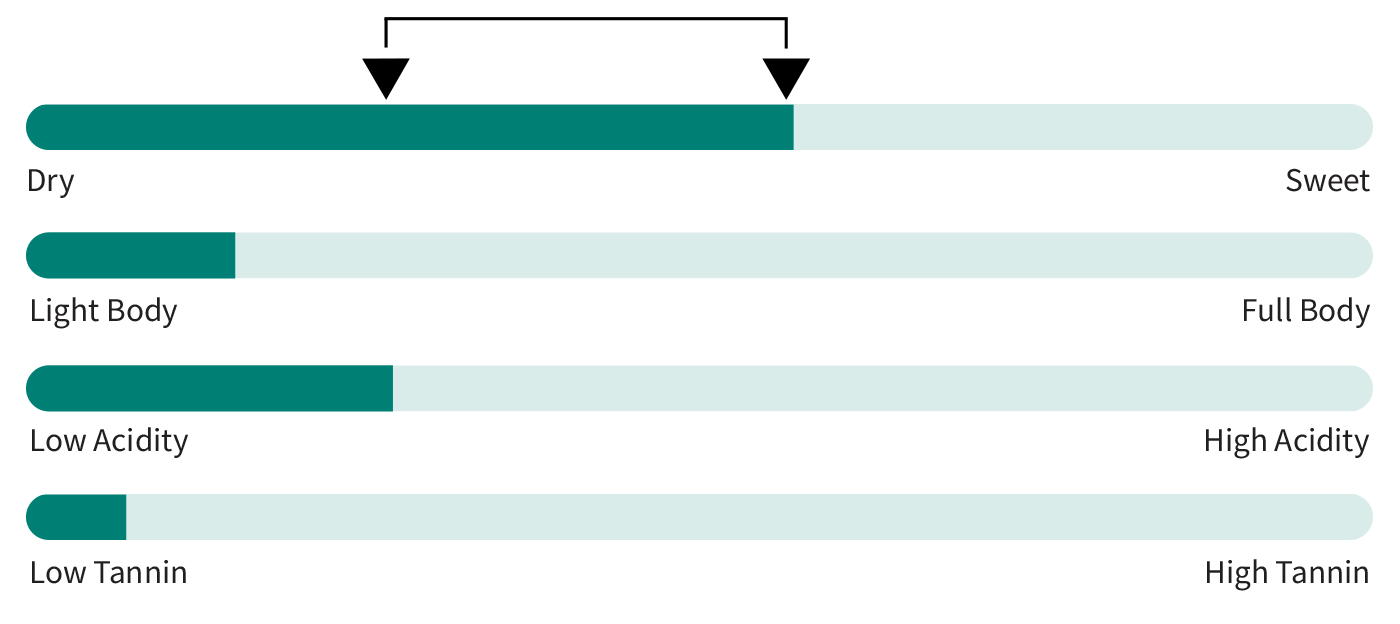
If you’re looking for a refreshing, drinkable, and slightly sweet wine, White Zin is for you. Like most white and rosé wines, it has a light, refreshing body. White Zinfandel is also low in tannin since it does not spend much time fermenting on the grape skins and does not age in oak.
Unlike some white wines though, it has relatively low acidity. You won’t get that same mouthwatering sensation as you do with a Sauvignon Blanc or Pinot Grigio.
When it comes to sweetness, most White Zins are medium-sweet. Moscato is another wine that has a similar level of sweetness. However, winemakers are changing things up and creating new styles that are a bit drier.
Primary flavors
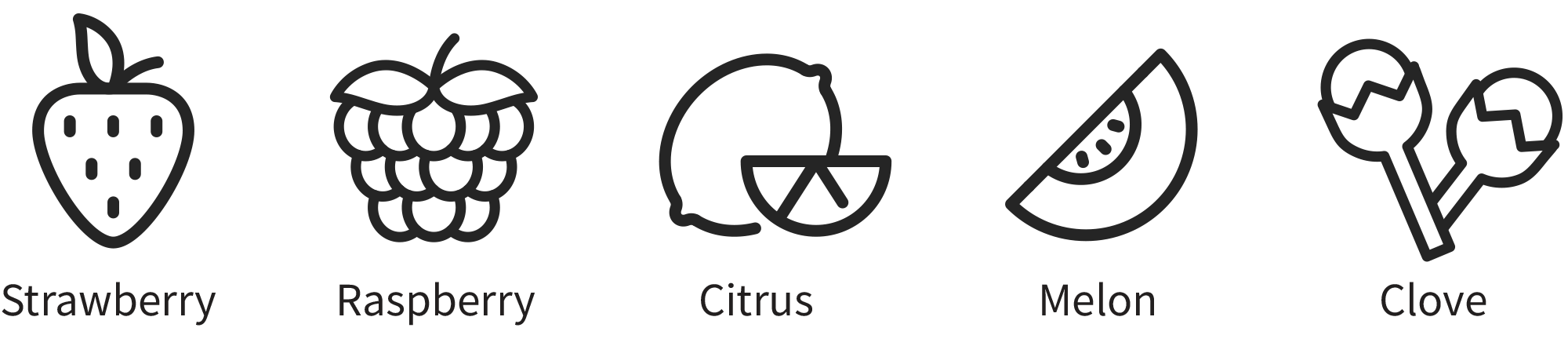
Much like red Zinfandel, White Zinfandel is also known for having a very fruity taste. You’ll find notes of red fruits like strawberries and raspberries, along with citrus, melon, and a bit of clove or nutmeg.
Red Zinfandel is much more intense with jammy and robust flavors of blackberries and plums with spice notes of cinnamon and black pepper. If you want to know more about the flavors of iconic red grape, check out our guide to Zinfandel.
History of White Zinfandel
In California in 1972, Bob Trinchero, the winemaker of Sutter Home, wanted to make a bolder red Zinfandel wine and thought if he bled off some of the wine early in fermentation, he could intensify the remaining red wine.
Trinchero did not want the bled-off wine to go to waste, so bottled it. He originally named this pink wine Oeil de Perdix or Eye of the Patridge in French. However, United States law required an English description, so “a white zinfandel wine” was added to the label.
Sutter Home continued bottling this rosé style wine in the same fashion until 1975. That year, one of the fermentations experienced what is called a “stuck fermentation”. The yeast did not consume all the sugar, leaving a medium sweet wine with a lower level of alcohol. Trinchero bottled the wine anyway and simply labeled it as White Zinfandel. This new style of wine became a hit and is the wine we know today.
Food pairings

Like all wine, White Zinfandel is a great companion to food. Its light body and fruity flavors go well with seafood, chicken, and salads. The slight sweetness is also a perfect match for spicier cuisine, like Indian and Thai.
Depending on the sweetness, White Zin is also great with a variety of cheese. Pair a sweeter wine with a soft mild cheese like goat cheese and try a drier Zin with bolder flavored cheese such as blue cheese and Manchego.
If you’re looking for something to pair with dessert, White Zin is a great option. Just remember the sweetness of the wine should match or be sweeter than the dessert.