Tequila
From Blanco, Reposado to Extra Añejo, our extensive Tequila range has it all, whether it's for sipping solo, mixing cocktails, or serving at your next party.
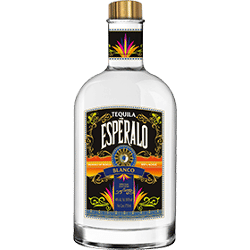
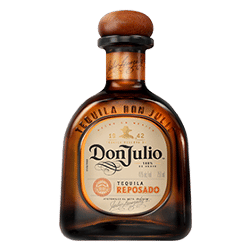
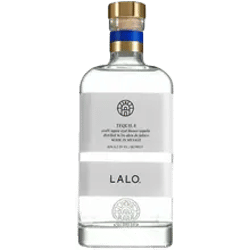
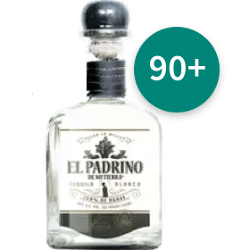

Additive Free Tequila
High-quality Tequila starts with pure ingredients. These brands are bottled without added sweeteners, flavorings, colors, or other additives.
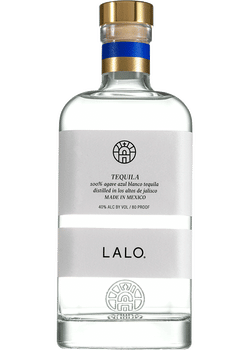
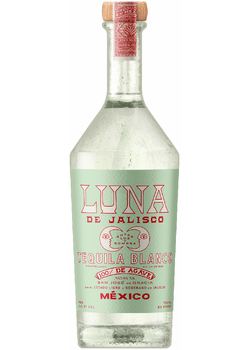
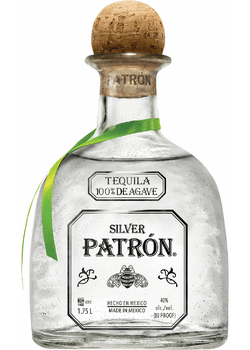
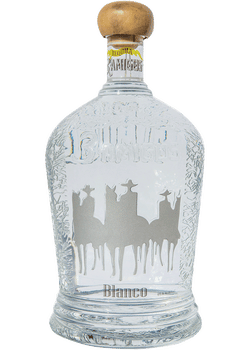
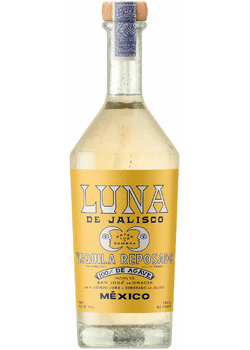
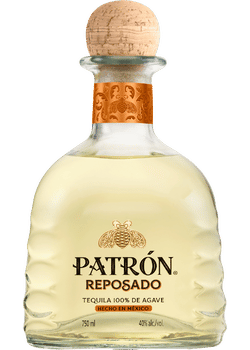
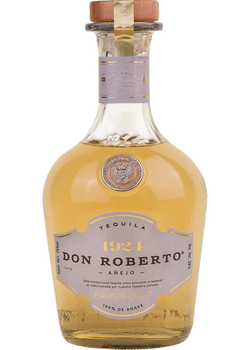
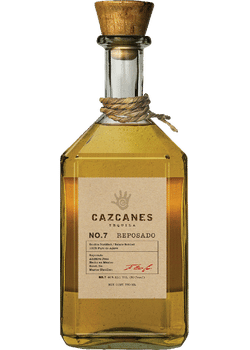
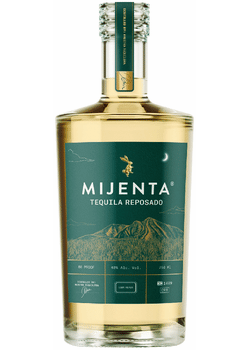
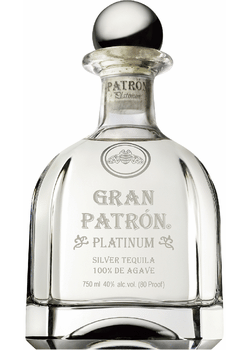
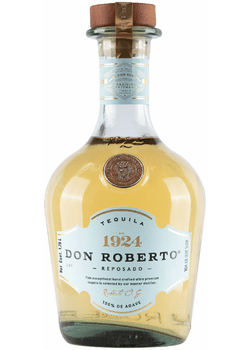
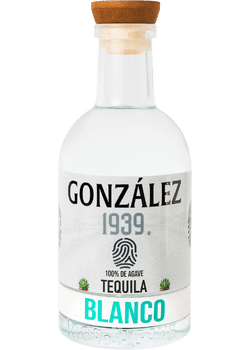
Trending Now
Stay ahead with the bottles defining the 2026 agave landscape. Discover artisanal gems and innovative releases favored by top mixologists.
Tequila Recipes
Mix the perfect Paloma Spritz or flavored Margarita. Explore our expert recipes to find the best Blanco and Reposado bases for your next creation.
Explore More
All About
Tequila
What is Tequila?
Tequila is a distilled spirit from the blue agave plant made in Mexico. Tequila comes in different styles, categorized according to how long the spirit was aged. Some of the most popular styles from youngest to oldest are:
The first historical reference to a distilled agave spirit dates back to 1666. While Tequila is the name of a town, in the ancient Nahuatl language tequila means "the place of harvesting plants" or "the place of work." Making the finest Tequila from 100% agave requires many hours of labor and hard work.
If you’re looking for more information on the different kinds of Tequilas, visit our Tequila Guide to learn all about the differences and see which style fits your tastes!
Where does Tequila come from?
Tequila is a distilled spirit made from the blue agave plant, and it only comes from Mexico. To be called Tequila, by law, it must come from one of five Mexican states: Jalisco (where you find the town of Tequila), Guanajuato, Nayarit, Michoacán or Tamaulipas.
There are other spirits distilled from agave, but those are called either Mezcal or Destilado de Agave. Similar to the rule in the US for bourbon whiskey, all Tequilas are Mezcals, but not all Mezcals are Tequila. The oldest Tequila distillery is Grupo José Cuervo, which distills the famous José Cuervo Tequila, founded in 1758.
What is Tequila made of?
Tequila is made from the sap of the blue agave plant, a large spiky green succulent that grows abundantly in the five regions of Mexico that produce Tequila. The sweet juice of the mature blue agave is called aguamiel, and this forms the base of Tequila.
How is Tequila made?
Tequila starts with the blue agave, a spiky succulent that grows throughout the five Mexican regions where distilleries make Tequila. To make Tequila, the sugary sap in the heart of the blue agave is fermented, distilled, aged (in most cases), and then bottled.
-
Tequila making takes patience as blue agave grows slowly. The plant must be six or seven years old before it develops a sugary sap called aquamiel (honey water in Spanish) that forms the base of Tequila.
-
Once the plant is old enough, the heart of the agave plant, which is called the piña (because it looks like a giant pineapple), is harvested with machetes. Then the heavy hearts, which can weigh 100 pounds or more, are steamed or baked in a clay oven. Experts say old-school baking is better because the cooking process is slower, which helps create a smoother spirit.
-
After steaming or baking, the cooked hearts are shredded and pressed to extract the juice. That juice is fermented, and then the fermented juice is distilled in either a column still or an old-fashioned pot still. During the distillation process, Tequila retains much of the vegetal, floral, and earthy flavors coming from the agave. The flavor characteristics of the blue agave vary depending on the region and altitude of where it was grown.
-
Depending on the intended style of Tequila, the finished distilled spirit can be bottled right away for a Blanco. Reposado Tequila is aged a few months up to a year in oak. Or it can be aged a year or more to create an Añejo Tequila.
What are the different types of Tequila?
Tequila is classified according to the length of time the spirit was aged. As Tequila ages, it goes from a young Blanco to a more mature Añejo. During the aging process, the Tequilas color and flavors deepen, and the spirit develops a smoother taste.
Here is a deeper dive into the five types of Tequila:
- Blanco (Silver/Plata)
- Best For: Margaritas, Palomas, and High-Energy Sipping.
- Why: Because it is unaged (or aged under 2 months), it has a "bright" and "punchy" profile. Its high acidity and peppery finish cut through the lime and agave nectar in a Margarita perfectly.
- Brand Recommendations:
- Mi Familia Flores Plata
- Luna de Jalisco Blanco Tequila
- LALO Blanco
- Reposado ("Rested")
- Best For: Premium Cocktails (like a Cadillac Margarita) or "Entry-Level" Sipping.
- Why: Aged 2–12 months in oak. It’s the "middle ground." It has enough body to stand up to a heavier cocktail but is smooth enough to be enjoyed on the rocks with a twist of orange.
- Brand Recommendations:
- Herradura Reposado Tequila
- Luna De Jalisco Reposado Tequila
- Siete Leguas Reposado Tequila
- Añejo ("Aged")
- Best For: Sipping Neat, Old Fashioned Riffs, or After-Dinner Drinks.
- Why: Aged 1–3 years. The agave notes take a backseat to rich, barrel-driven flavors like vanilla, honey, and toasted oak. It is designed to be savored slowly, much like a fine Cognac.
- Brand Recommendations:
- 1800 Añejo Tequila
- Mi Familia Flores Anejo
- Casamigos Añejo Tequila
- El Ateo Anejo
- Extra Añejo
- Best For: Solo Sipping Only.
- Why: Aged over 3 years. This is the "Prestige" category. The complexity is so high that mixing it would be a disservice to the time it spent in the barrel. Expect deep notes of dark chocolate, dried fruit, and leather.
- Brand Recommendations:
- Reserva De La Familia Extra Anejo Tequila
- El Padrino Extra Anejo
- Don Julio 1942
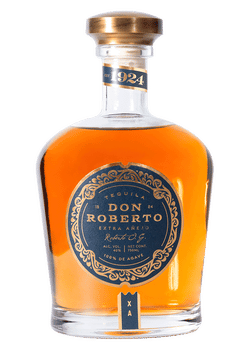
- Don Roberto 5Yr Extra Anejo
- Cristalino
- Best For: Premium Sipping, "Wow-Factor" Gifts, and Elevated Clear Cocktails.
- Why: It is a "best of both worlds" spirit—typically an Añejo or Reposado that has been charcoal-filtered to remove its color. This process strips away harsh tannins while retaining the silky mouthfeel and rich flavors of vanilla, honey, and toasted oak. It drinks with the sophistication of a dark spirit but maintains the clean, aesthetic look of a Blanco.
- Brand Recommendations:
- Don Julio 70 Cristalino
- Mi Familia Flores Cristalino Repo
- Gran Coramino Cristalino
- El Padrino Anejo Cristalino
High-quality Tequilas have either "100% agave" or "100% blue agave" on the label as a mark of quality. The least expensive kind of Tequila is a mixto, which is a mix of 51% agave and 49% other sugars, like cane sugar, plus flavoring and coloring. Tequila made this way only has "Tequila" on the label and won't mention agave.
What's the difference between Tequila and Mezcal?
While both Tequila and Mezcal are Mexican distilled spirits made from agave, there are several differences. Tequila can only be made in five specific Mexican states, and it must be made with blue agave. Mezcal can be produced anywhere in Mexico from up to 30 different kinds of agave.
The finest Mezcal comes from the state of Oaxaca; it's cultural home. Making Mezcal is a more rustic process, and many makers roast their agave piñas in a pit with fire and rocks and then crush the pinas with a large stone pulled by donkeys. Letting the hearts smoke this way often produces a subtle, smoky, and earthy flavor in Mezcal. Learn more in our Guide to Mezcal!
What are popular Tequila cocktails?
When it comes to classic Tequila cocktails, there are just three you need to know. Master the recipes for the Margarita, the Paloma, and the Tequila Sunrise, and you'll be welcome at any party. Plus, you can always substitute Tequila for other spirits in favorite cocktails like the Whiskey Sour or Old Fashioned.
Here are some of the best Tequila cocktail recipes:
What type of alcohol is Tequila?
Any spirit distilled from agave in Mexico can be called a Mezcal. Tequila is a special kind of Mezcal that must be made from blue agave in five designated states in Mexico.
Which is the best Tequila?
The best Tequila depends on your tastes and preferences. Total Wine & More carries a wide variety of Tequilas from Don Julio 1942 Tequila to Clase Azul Reposado Tequila. The best advice is to experiment and try new brands of Tequila to help you discover which is your favorite!
Is Tequila keto-friendly?
Yes, "pure" Tequilas are considered keto-friendly. Some people following a ketogenic diet prefer drinking Tequila on the rocks since Tequila is naturally low in sugar, and it doesn't have any carbohydrates. With a keto diet, it is best to reach for a Blanco Tequila that has no added flavors to ensure you're sticking to the game plan.
What are the popular brands of Tequila?
Total Wine & More stocks all the popular brands of tequila. You're sure to find your favorites and a few discoveries in our wide selection. Our array of popular tequilas includes:
-
And many more!
Check out our full selection of Tequila and take home a couple of bottles of the best Tequilas from Mexico.
Want to learn more about tequila?
Visit our Guide to Tequila to learn more about all the best styles of agave spirits and our favorite Tequilas.