Portugal is home to the famous fortified wine, Port. But did you know, Portugal also produces delicious dry wines made from indigenous grapes that you won't find anywhere else.
A hidden gem of the "old world," dry Portuguese wine is gaining popularity and is often very affordable and a great value for its quality. Bottles are usually labeled with the region versus the varietal. So, to make selecting a wine easier, we cover six of the most famous Portuguese wine regions and the styles of wine produced there. Explore the region's primary grapes, the wines' flavors, and a few selections to help you find the perfect bottle.
4+ Star Wine from Portugal
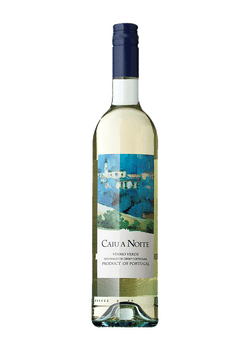
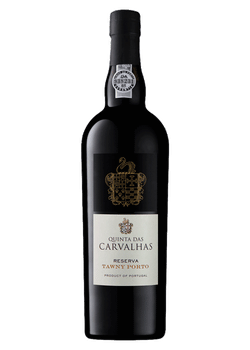
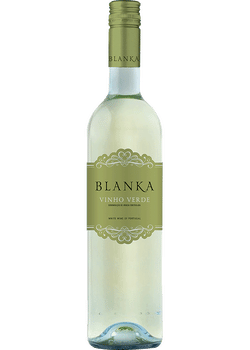
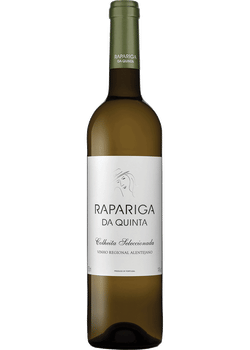
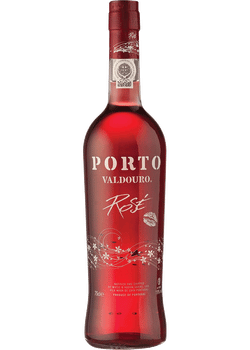
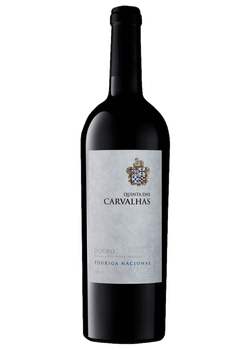
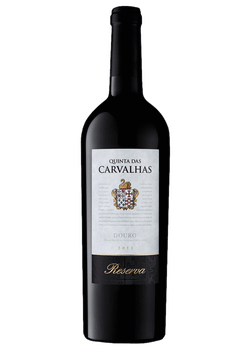
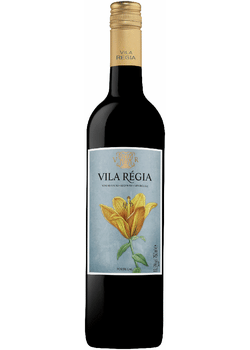
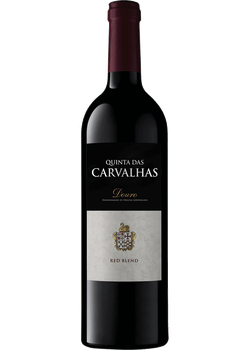
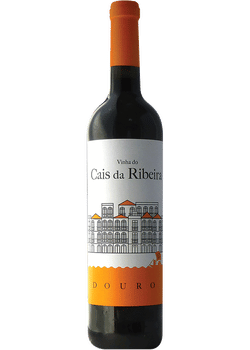
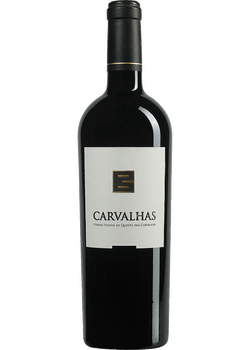
Douro
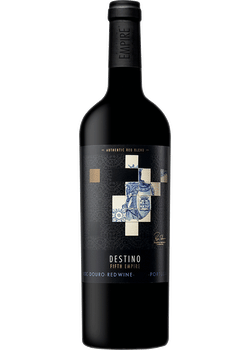
Located in northeast Portugal, Douro is named after the Douro River that runs through the region. Vineyards are planted on steep terraces flanking the sides of the river. This region is home to fortified Port wine (which we will cover later), but in recent decades has seen popularity in dry red wines.
Red wines from Douro are typically made from a blend of dozens of indigenous grape varieties, including Touriga Nacional, Tinta Barroca, Tinta Roriz (also known as Tempranillo), and Tinto Cão. Both dry and fortified red wines are made from these varietals.
The dry red wines of Douro have rich red and black fruit flavors with robust, velvety tannins and bright acidity. You'll experience elegant notes of blueberry, black raspberry, vanilla, dark chocolate, and sometimes a bit of stone or gravel on the nose.
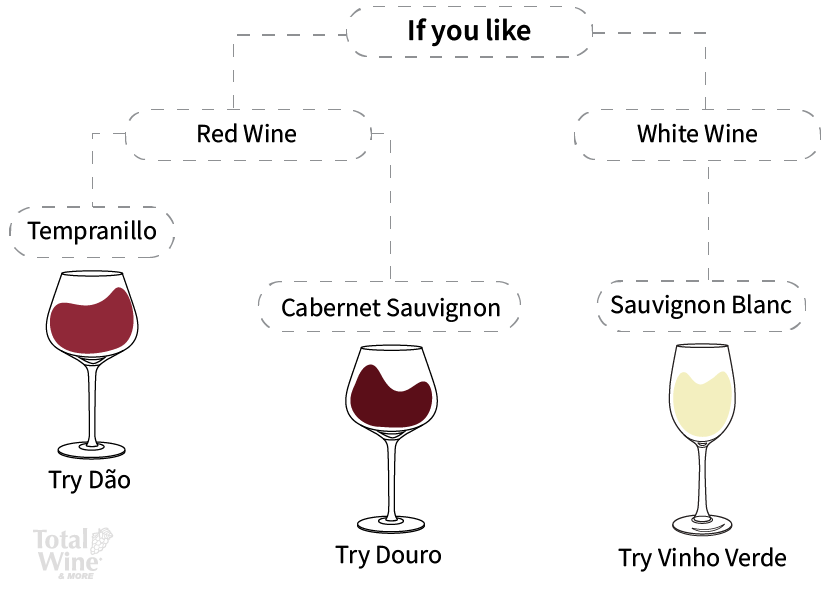
These robust reds are best paired with rich braised and grilled meats, barbecue, and roasted vegetables. If you are a fan of Cabernet Sauvignon, give a red blend from Douro a try.

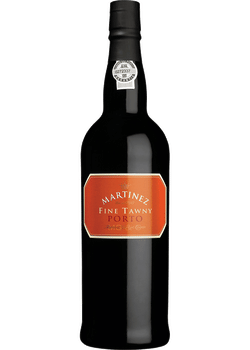
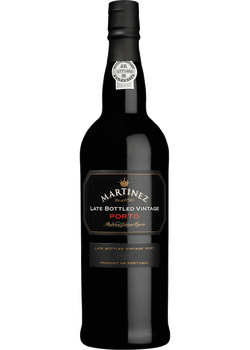
Portuguese Douro Wines
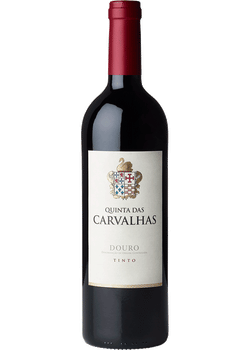
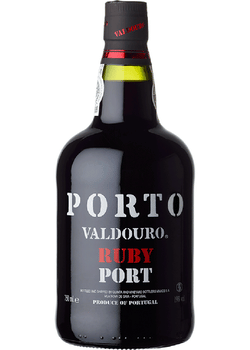
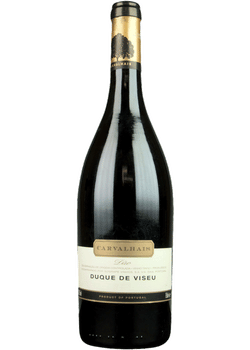
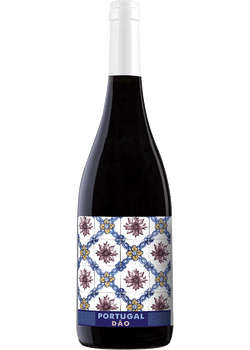
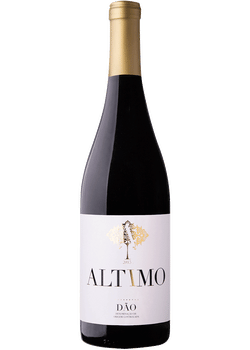
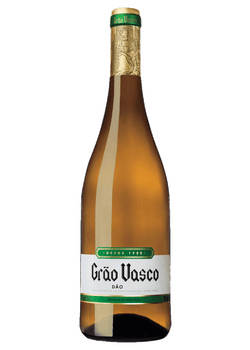
Dão
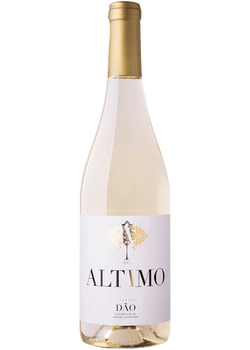
Located south of Douro, Dão is a mountainous region comprised of granite rock and sandy soils. Because of the diversity in terrain, wines can differ depending on where the grapes are grown. Key red grapes grown in Dão include Jaen (also known as Mencía), Touriga Nacional, Tinta Roriz, Alfrocheiro, and Trincadeira.
Red blends from Dão are usually full-bodied and can range from delicate to intense with red and black fruit aromas of currant, plum, cherry, and blackberry, plus cocoa and dried herbs from aging. Pair these complex wines with smoked meats, hard cheeses, and grilled vegetables. If you enjoy Tempranillo, Sangiovese, or Syrah, pick up a red from Dao.

Portuguese Dao Wine
Vinho Verde
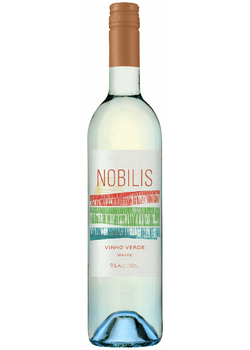
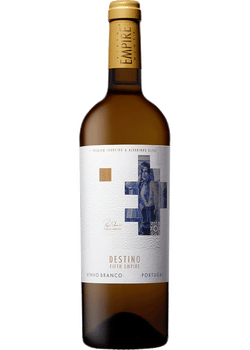
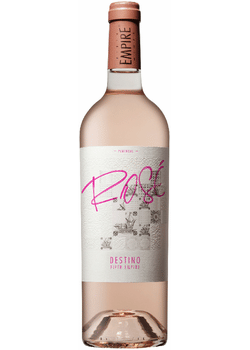
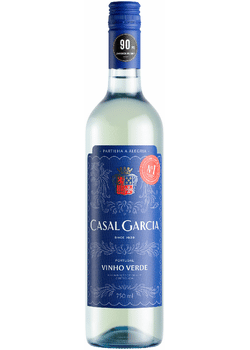
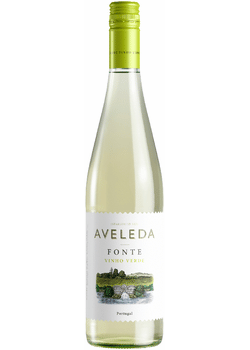
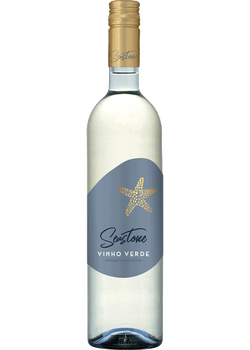
Vinho Verde is probably the most well-known wine from Portugal outside of Port wine. This region is in the northwest corner of Portugal and produces red, white, and rosé wines, but it is most famous for its crisp and spritzy white wines.
Over twenty grapes can be used to make white blends in this region, including Alvarinho (also known as Albariño in Spain), Loureiro, and Arinto. Single-varietal wines are also available, notable wines made from Alvarinho.
White blends labeled Vinho Verde are usually lower in alcohol and bursting with bright citrus flavors of lemon, lime, and grapefruit complemented by apple, stone fruit, and floral notes. You'll also often find a bit of effervescence. If fresh seafood, shellfish, or crudité are on your menu, pick up a bottle of Vinho Verde. This wine is an excellent option for Sauvignon Blanc fans, too.

Portuguese Vinho Verde Wine
Alentejo
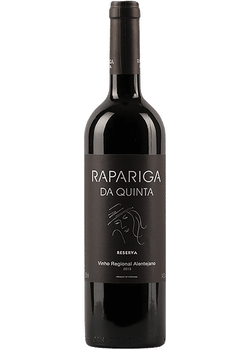
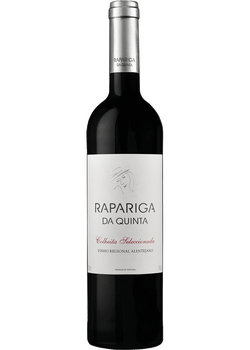
Alentejo is the largest wine-growing region in Portugal and is located in the country's southeastern corner. Because of its size, the climate varies from north to south, resulting in various wine styles.
Red blends are usually made from Aragonês (another name for Tempranillo), Trincadeira, and Alicante Bouschet. These wines are deep in color with soft tannins, full body, and ripe fruit flavors. White blends are typically made from Arinto, Antão Vaz, and Roupeiro and produce light, fruity, and floral wines.

Portuguese Alentejo Wine
Port
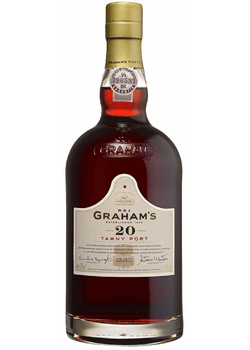
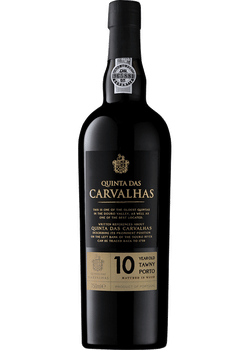
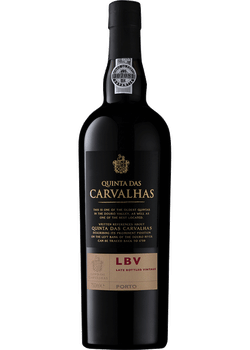
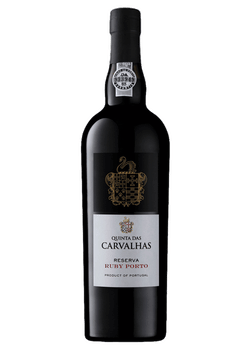
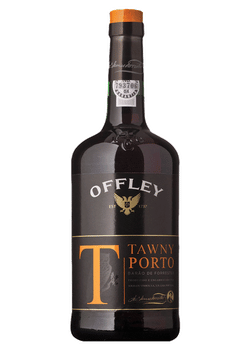
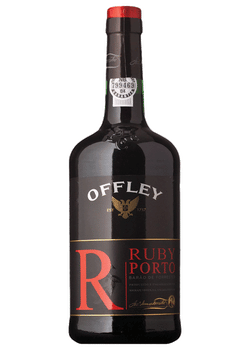
We can't talk about the wines of Portugal without covering Port wine. Grapes used to make Port are grown in the Douro region and are the same varietals used to make dry red wines. Port is produced in various styles, including Ruby, Tawny, Late Bottle Vintage (LBV), and Vintage.
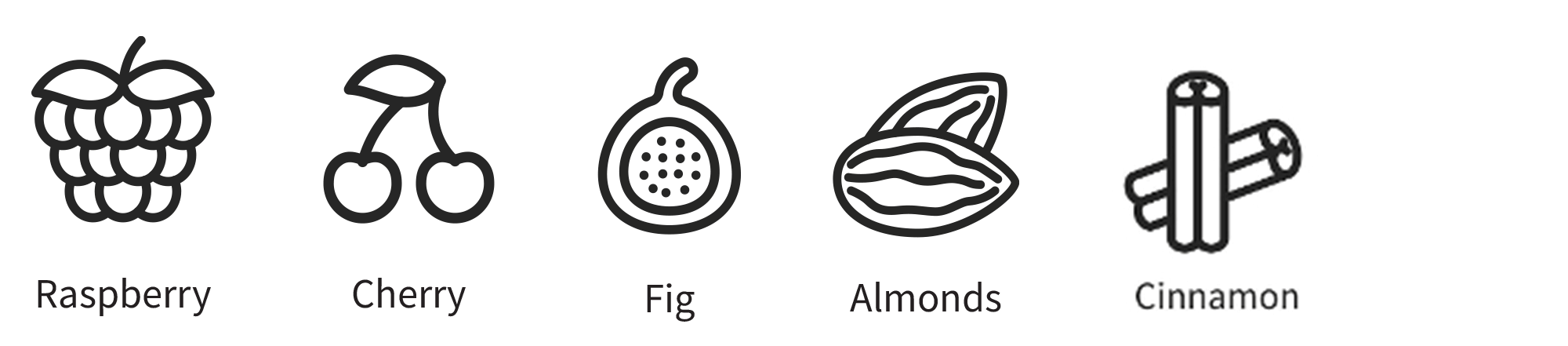
Ruby Port is deep in color and fruity on the palate, with notes of candied raspberry, jam, and chocolate. Tawny Port is lighter and more delicate. It is blended from multiple vintages and oxidatively aged, which causes the color of the wine to turn from garnet to tawny. Vintage Tawny can be aged 10, 20, 30, or 40 years and has walnut, coffee, chocolate, and caramel flavors.
Late Bottle Vintage Port is made from a single vintage and is bottled four to six years after harvest and ready to drink on release. The last style of Port is Vintage Port. These wines are aged for two years in wood casks and should be aged in the bottle for decades to develop additional flavors.
Port wines are perfect for pairing with dessert because of their sweetness, and they are also great alongside a cheese plate featuring blue cheese and nuts. If you want to learn more about this delicious dessert wine, check out our guide to Port wine wine and tips on how to drink Port wine.