
Bordeaux red wine is some of the most collectible and fascinating wine in the world. And for 36 years, Pierre-Yves Robin has been on a quest to discover the best Bordeaux wine values from this iconic region of France.
As the Bordeaux buyer for Total Wine & More, Robin travels across Bordeaux to taste outstanding red and white blends, as well as sweet late harvest wines from Sauternes and Barsac. As 2018 Bordeauxs roll into stores across the country, Robin shares how to drink the best of the 2018 vintage. “2018 is a great vintage,” he says. 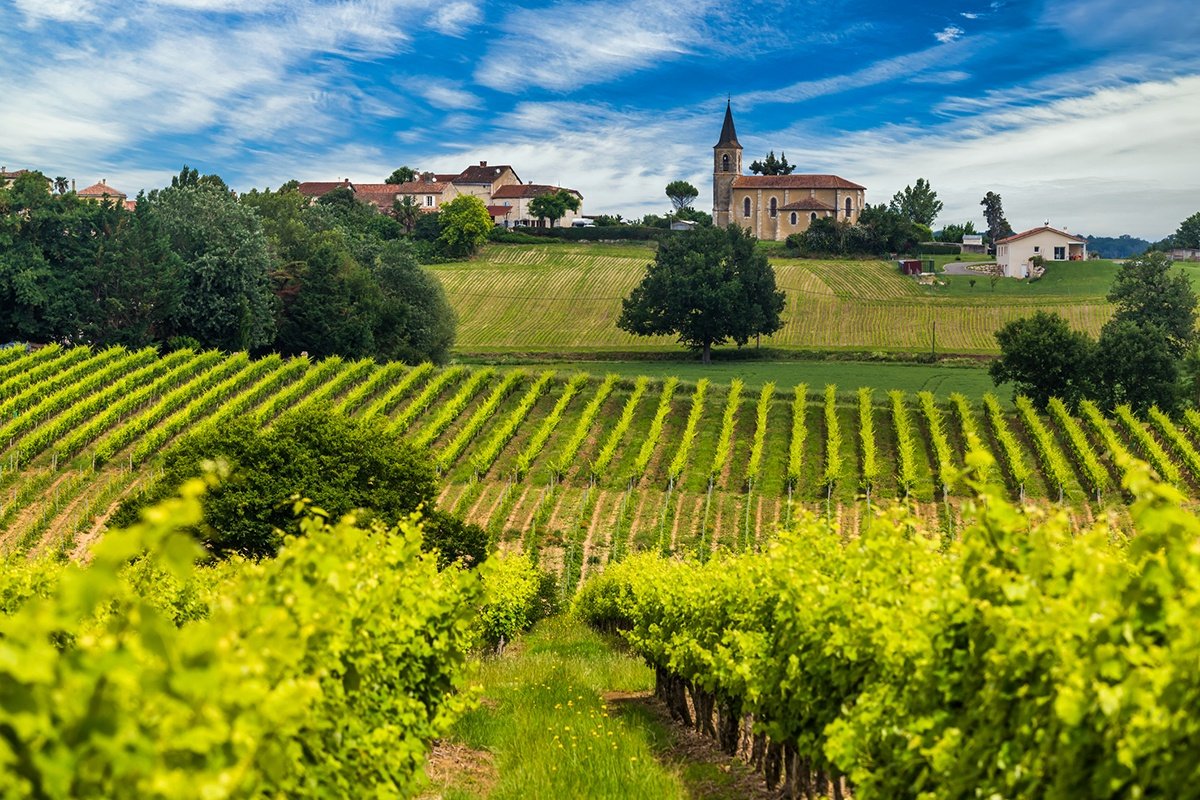 If you consider yourself more of a California Cab or red blend drinker Robin says you’ll be pleasantly surprised at the way red Bordeaux pleases your palate. In fact, he says Bordeaux is the original complex red blend. “Bordeaux is based on the blend of Cabernet Sauvignon, Merlot, and Cabernet Franc,” Robin says. “People who love Cabernet and Merlot will love the red blends.” These blends, which also can include Petit Verdot, Malbec, and Carmenere, vary in style and taste depending on where they’re made.
Wine lovers around the world prize Bordeaux wines because they’re consistently excellent. “Bordeaux’s legacy has been that they are full-bodied, rich, beautiful, wines balanced with freshness and acidity,” Robin says. While rare Bordeaux wines such as Château Cheval Blanc, Château Haut Brion, and Château Mouton Rothschild sell for impressive sums, most wines sold in Bordeaux are quite accessible. Top-flight wineries make more affordable second labels, and they have less-famous neighbors making exceptional wines. “You can find some great values between $15 and $80,” says Robin. “That’s my view with buying: where is the next value for regular consumers?”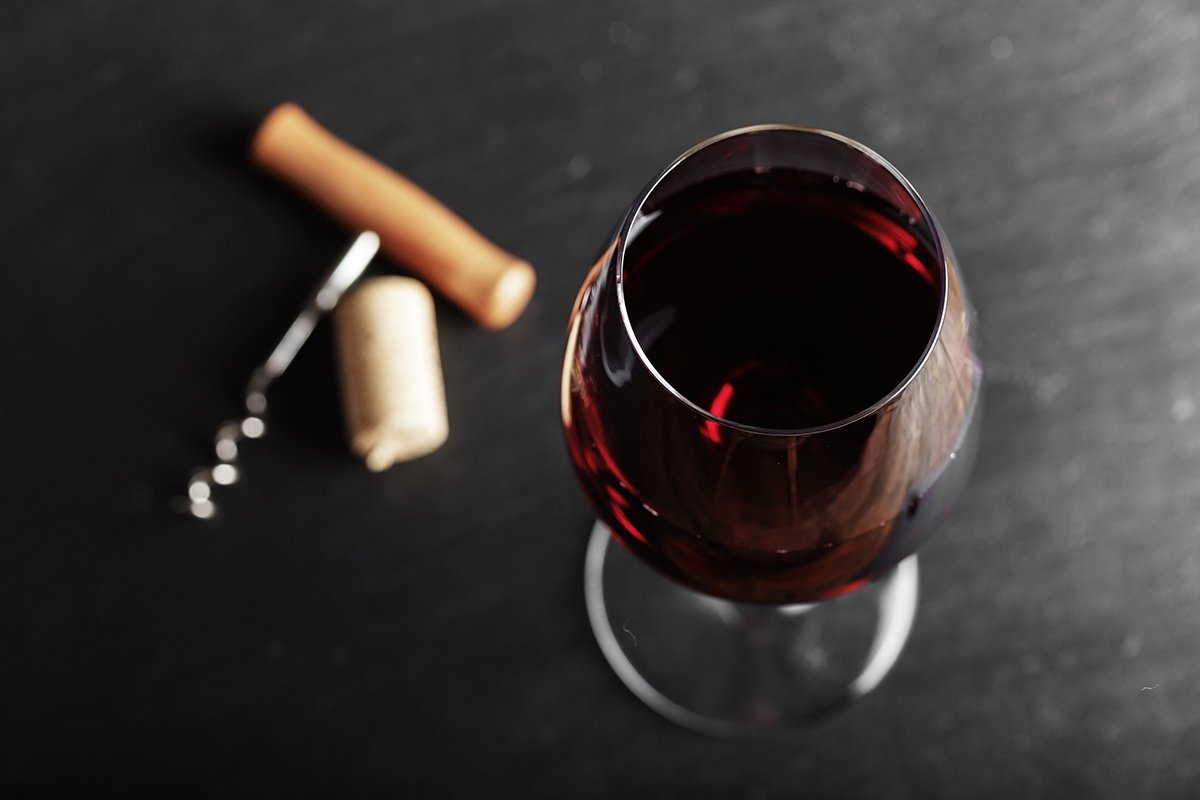 Entry-level Bordeaux Superieur wines are a great place to start exploring. These wines are made with the same care as other blends, but they cost less since they’re made with grapes sourced from vineyards across the region.
Understanding vintages & aging
Bordeaux wines are shaped by the weather over each growing season. Warmer vintages create bigger wines with more alcohol, while wines from cooler years are brighter and more nuanced. Connoisseurs track vintages to know what to expect from a wine. While the 2018 growing season started with challenging weather, Robin says the finished wines are exceptional. “They reduced their yields and put out great wines for the vintage,” he says. “What’s exciting about the 2018s is that they are very collectible.”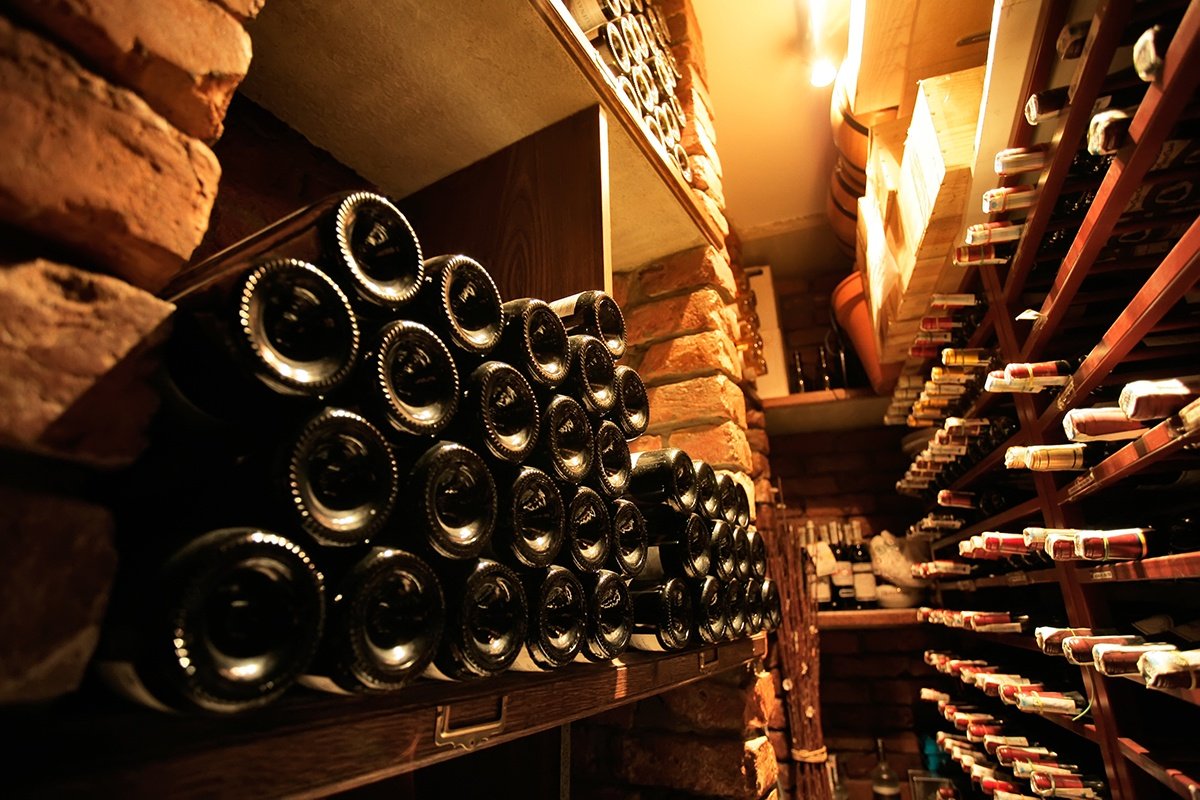
Bordeaux’s balance of acid, fruit, tannin, and alcohol gives the wines an almost magical ability to age. Robin says even entry-level Bordeaux wines that cost $15 to $50 can easily age for five to seven years, while pricier bottles can be cellared for decades.
However, Robin says he gets nervous when people ask him how long to age a special bottle. Each wine drinker needs to make that call based on their palate. “Wine is a living thing,” Robin says. “You know the wine will change a lot. It’s very hard to pin the aging part of it.” Youthful fruit flavors of black cherry and blackberry give way to mushrooms, cedar, and earth after the first several years. Some collectors use a Coravin to extract a tiny taste and see how the wine is evolving. Or you can purchase two bottles of the same wine, and open them at different times.
The promising 2018 vintage comes on the heels of outstanding vintages in 2015, 2016, and 2017. And judging from barrel samples of the 2019 and 2020 Bordeaux wines, those vintages should be wonderful too. “I’m anticipating that 2018 may start off another three years of great Bordeaux,” he says.
White Bordeaux & sweet wines
While red Bordeaux blends capture much of the attention, Robin says white Bordeaux wines can be equally stunning and delightful. White Bordeaux pairs zesty and bright Sauvignon Blanc with Semillon, which has richer notes of candied lemon or golden tropical fruits. “White Bordeaux is one of the most flexible wines,” says Robin, since they pair well with salads, shellfish, and cheeses.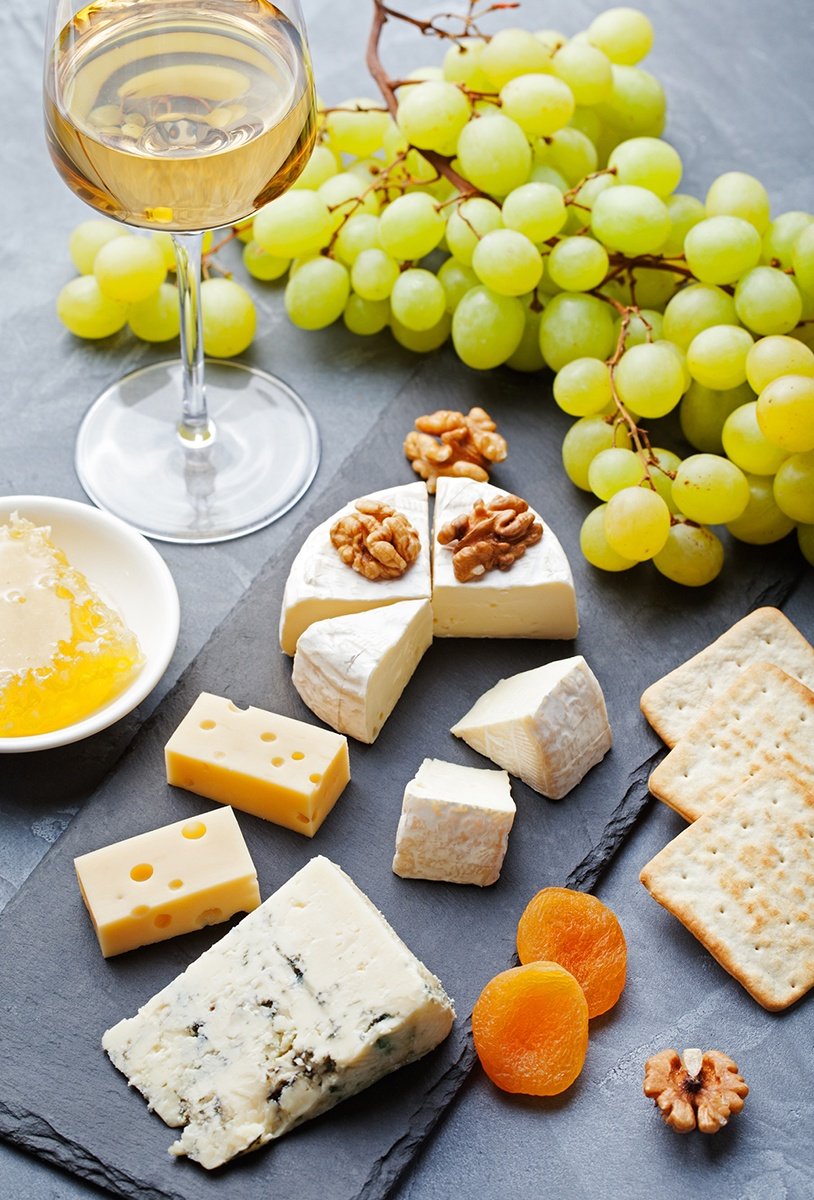
Did you know the same grapes in white Bordeaux blends create the sweet wines from Sauternes and Barsac? Late in the season, a beneficial mold called botrytis cinerea takes hold in the vineyard. It turns the Sauvignon Blanc, Semillon, and Muscadelle grapes into raisins with concentrated sugars, acids, and flavors.
It takes many, many grapes to make a tiny bottle of late-harvest wine, so they’re rare and pricey. But a well-made Barsac or Sauternes tastes divine, with a thrilling explosion of tangy apricots, mangoes, honey, and toasted nuts with a hint of creme brulee. Pair these wines with foie gras and pâté to roasted duck and spicy Asian dishes with savory and sweet flavors. “Sauternes and Barsac are great with appetizers, they’re great with blue cheese,” Robin says. “Sauternes are so complex you can have a complete dinner with it.”
To make your Bordeaux selections easier, follow Robin’s guide to 2018 wines that overdeliver for the price, and consult our Highly Rated 2018 Bordeaux picks.
Pierre-Yves’ picks
Right Bank
Right Bank wines are generally softer since they’re based around Merlot and Cabernet Franc. If you’re serving duck, goose, or venison, look for Bordeaux wines from Pomerol and Saint-Émilion. 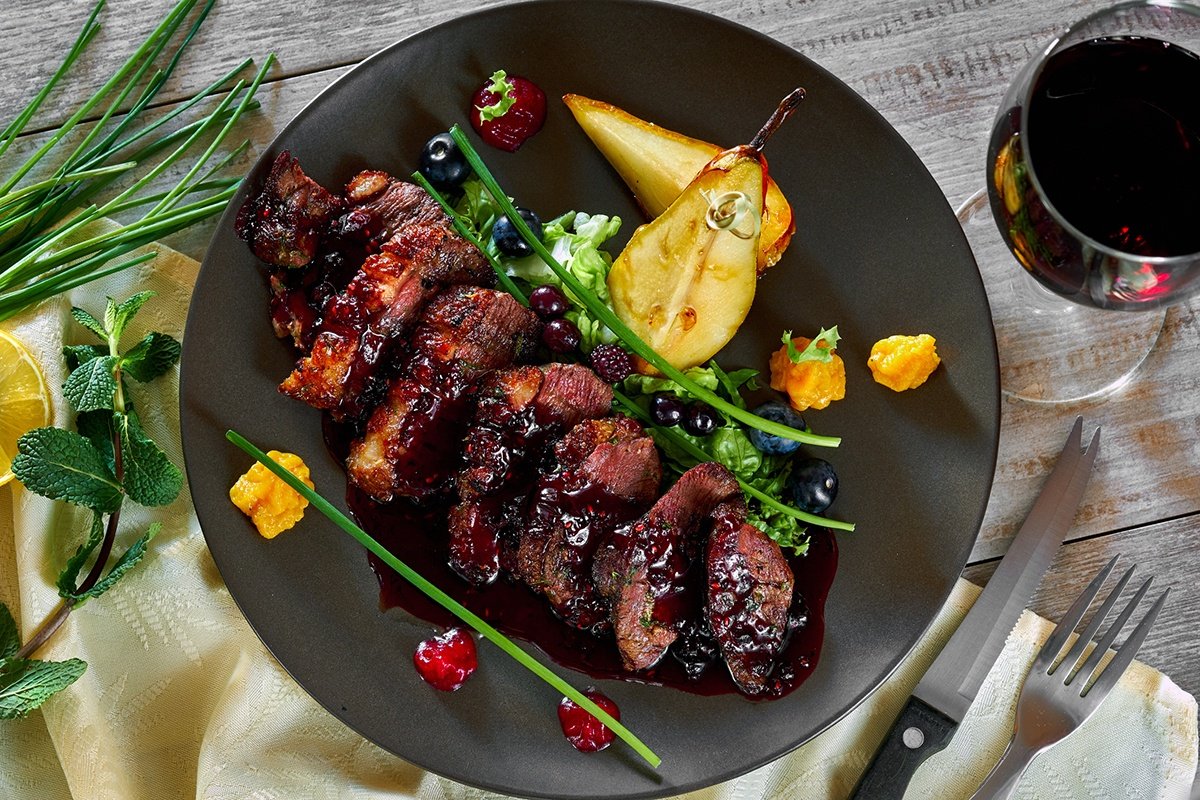
- Château De La Huste Fronsac, 2018
- Château Haut Cadet Saint Emilion Grand Cru, 2018
- Clos L'Eglise Pomerol, 2018
Left Bank
In this large area that includes the Medoc, Margaux, Graves, and Pauillac, Cabernet Sauvignon is the star. It’s blended with Merlot and other red grapes to create powerful and smooth blends that are delicious with steak or lamb chops.
- Château Lanessan Haut Medoc, 2018
- Château Clos Floridene Rouge Graves, 2018
- Château Pontet Canet Pauillac, 2018
White Bordeaux
Many of the most sought-after White Bordeaux wines come from Pessac-Léognan, and Robin loves the well-priced white blends from Graves. You’ll find these are some of the most flexible white wines around, since they work with salads and shellfish to veal and pork. 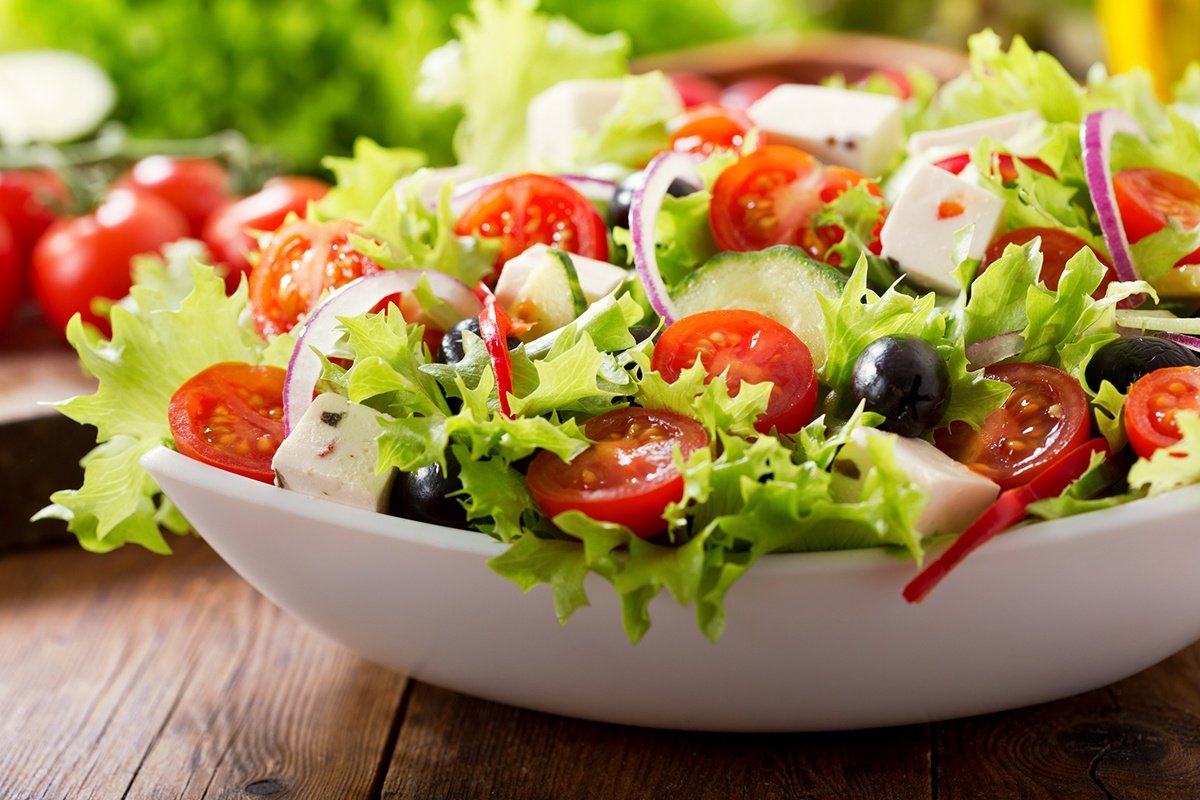
- Château Doisy Daene Blanc, 2018
- Château Clos Floridenes Graves Blanc, 2018
- Château Olivier Blanc Pessac, 2018
Sauternes and Barsac
The intense-yet-balanced flavors of dried fruit, nuts, and acidity in these wines make them ideal for collecting, as well as pairing with rich savory foods as well as desserts.
To learn more about the Bordeaux region and its wines, check out our Guide to Bordeaux.