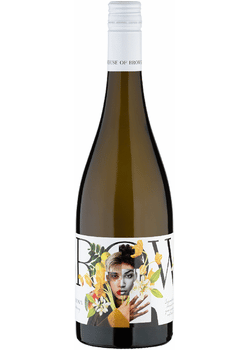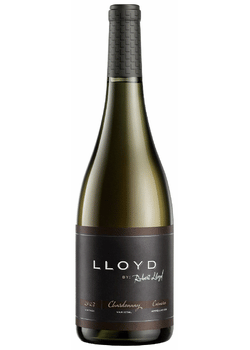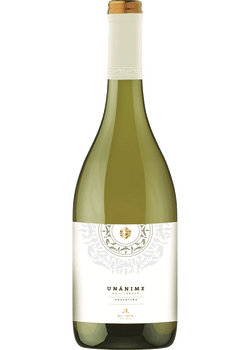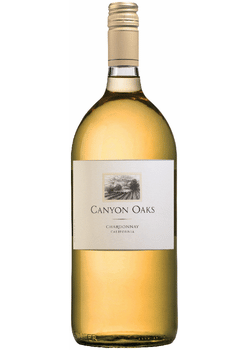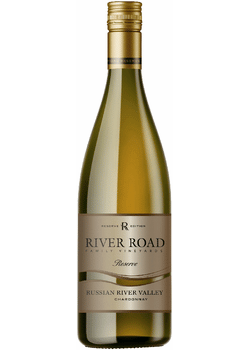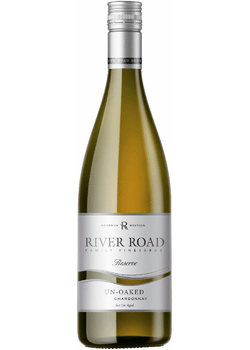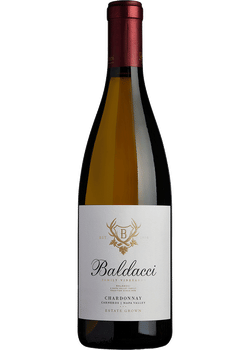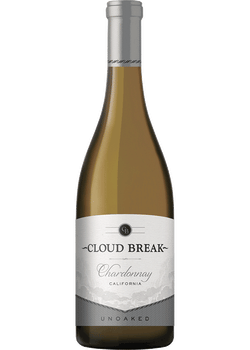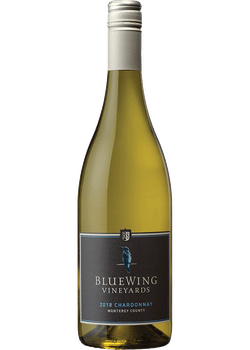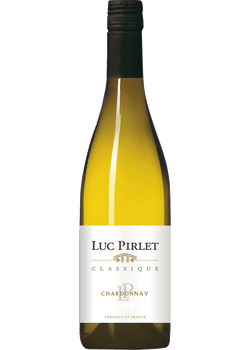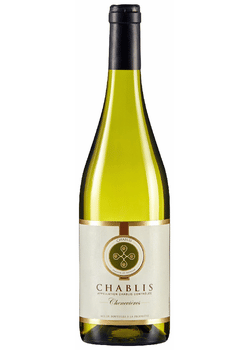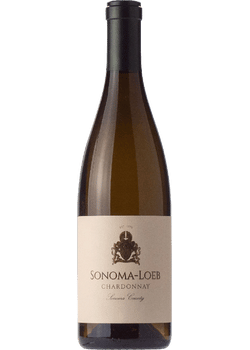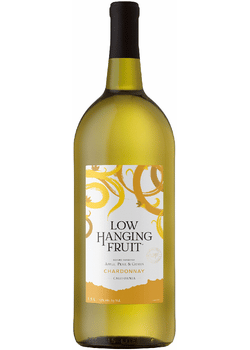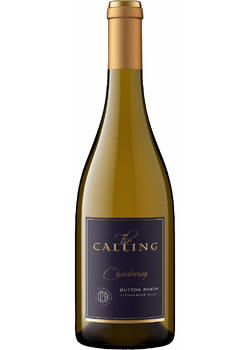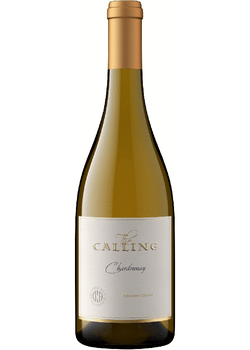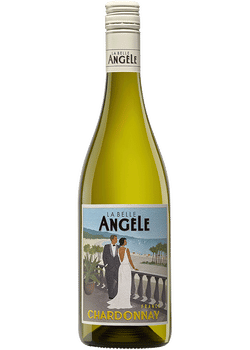
Chardonnay tastes different depending on where it’s planted. It’s no surprise Chardonnay is the most popular white wine in the world. Chardonnay lives the motto “bloom where you’re planted.” It thrives whether it’s cultivated in California, France, Australia, or New Zealand.
Chardonnay can be crisp, tropical, or big and buttery depending on the soil, climate, and winemaking techniques. There’s genuinely a Chardonnay for every palate.
Chardonnay styles overview
Chardonnay shows different characters depending on where it’s grown, when it’s harvested, and how the winemaker vinifies it.
Winemaking techniques
There are two winemaking techniques that profoundly shape Chardonnay’s taste.
1. Malolactic fermentation
All wines start with yeast eating the sugar in the grape juice, which is the primary fermentation. Malolactic fermentation is a secondary fermentation that converts malic acid’s tangy green apple notes into creamier lactic acids like those in dairy. When you notice a buttered popcorn aroma or flavor, you’ll know that Chardonnay went through malolactic fermentation, also called ML. Some winemakers prefer partial ML, so a touch of butteriness balances the wine’s acidity.
2. Oak barrel aging

Oak barrel aging shapes Chardonnay’s flavor in significant ways. The wine’s components come together while aging. But oak barrels are toasted over a fire, and the barrel adds flavors to the wine, especially when they’re new. Vanilla, baking spices, toasted coconut, and caramelized notes all come from the barrel.
Primary styles
Using those winemaking techniques — or not — allows winemakers worldwide to create Chardonnays in three primary styles.
1. Lean and mineral
Chardonnay can create crisp, light-bodied wines with citrus, green herbal, and mineral notes in cool areas. Often these wines are unoaked, so the natural flavors shine through. The iconic wines of Chablis in Burgundy, France, are the model for these lean Chardonnays.
2. Lush and tropical
Chardonnay grapes get sweet and ripe in warmer areas, creating wines with bright roasted pineapple, melon, and other tropical fruits notes, along with slightly higher alcohol and weight.
3. Big and buttery
When winemakers use all the tricks — complete malolactic fermentation and aging in a new oak barrel — Chardonnay will have a rich texture, plus aromas and flavors of butter, butterscotch, and vanilla. This full-on style, sometimes called buttery Chardonnay or oaky Chardonnay, is associated most with California’s Napa Valley.
Key Chardonnay winemaking regions
California
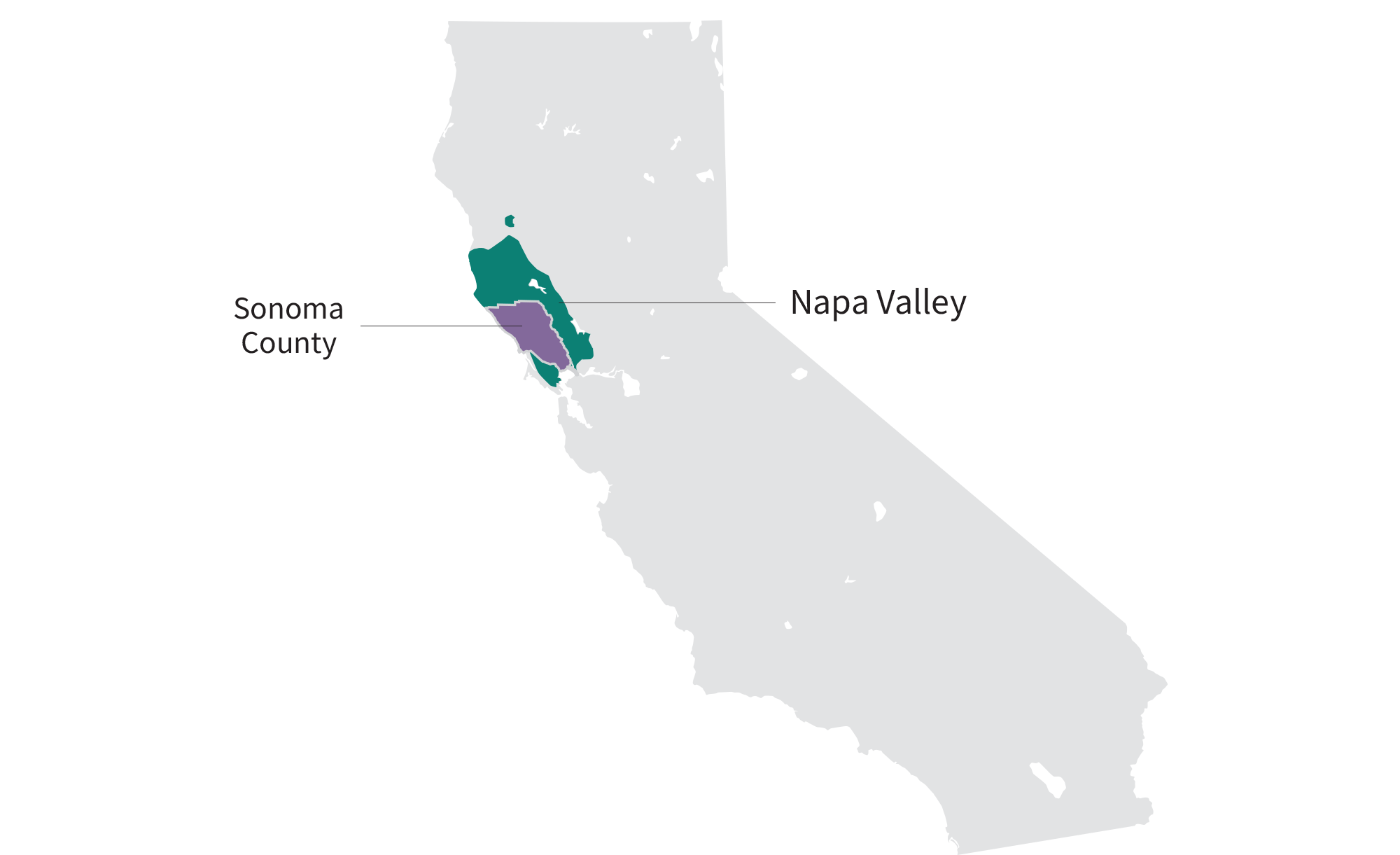
California Chardonnay debuted on the world wine stage in 1976 when Chateau Montelena’s 1973 Chardonnay beat out some of the best White Burgundies in a prestigious tasting called The Judgment of Paris. The wine was made in Napa Valley by Mike Grgich, but most of the grapes came from Sonoma.
Sonoma’s cool growing region with coastal influences creates beautiful Chardonnays with crisp acidity paired with vibrant flavors of roasted apples, golden pears, toasted croissants, and a note of minerality. One of Sonoma’s most famous Chardonnay vineyards is the Durell Vineyard in the Carneros. It has cooling morning fog and sunny afternoons that allow the grapes to retain acidity as they ripen.
Napa Valley is warmer overall than Sonoma, so the Chardonnay wines are bigger and more voluptuous. Some of the best Chardonnays come from the Coombsville region, which has volcanic soil and cooler microclimates. Coombsville Chardonnays often show lemon custard, pineapple, and green melon notes with a balance of minerality and acidity in a satiny texture.
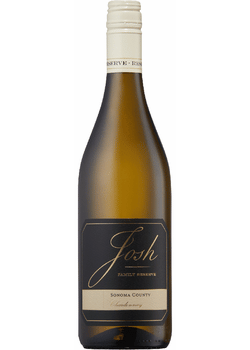
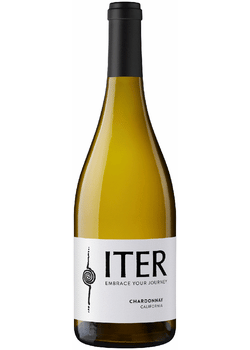
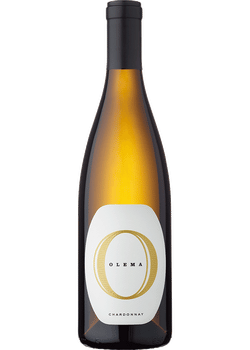
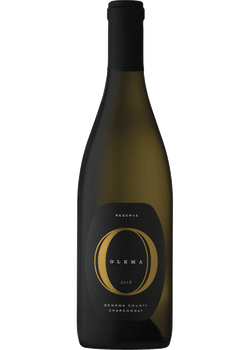
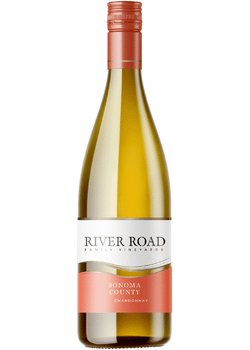
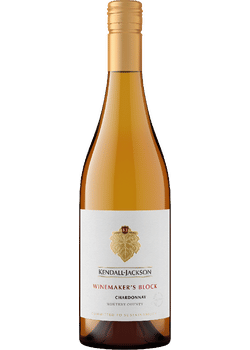
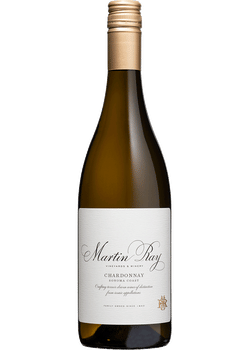
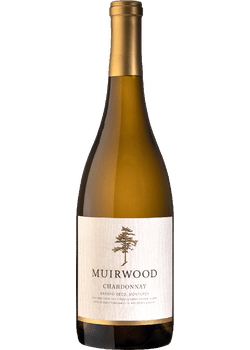
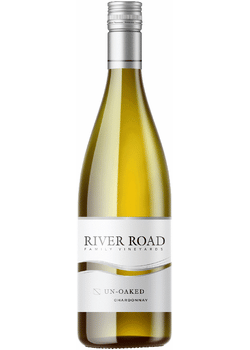
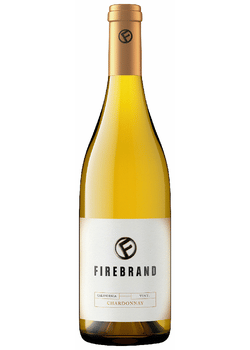
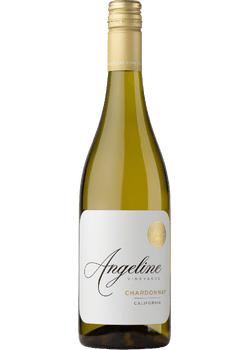
California Chardonnays under $25
Burgundy, France
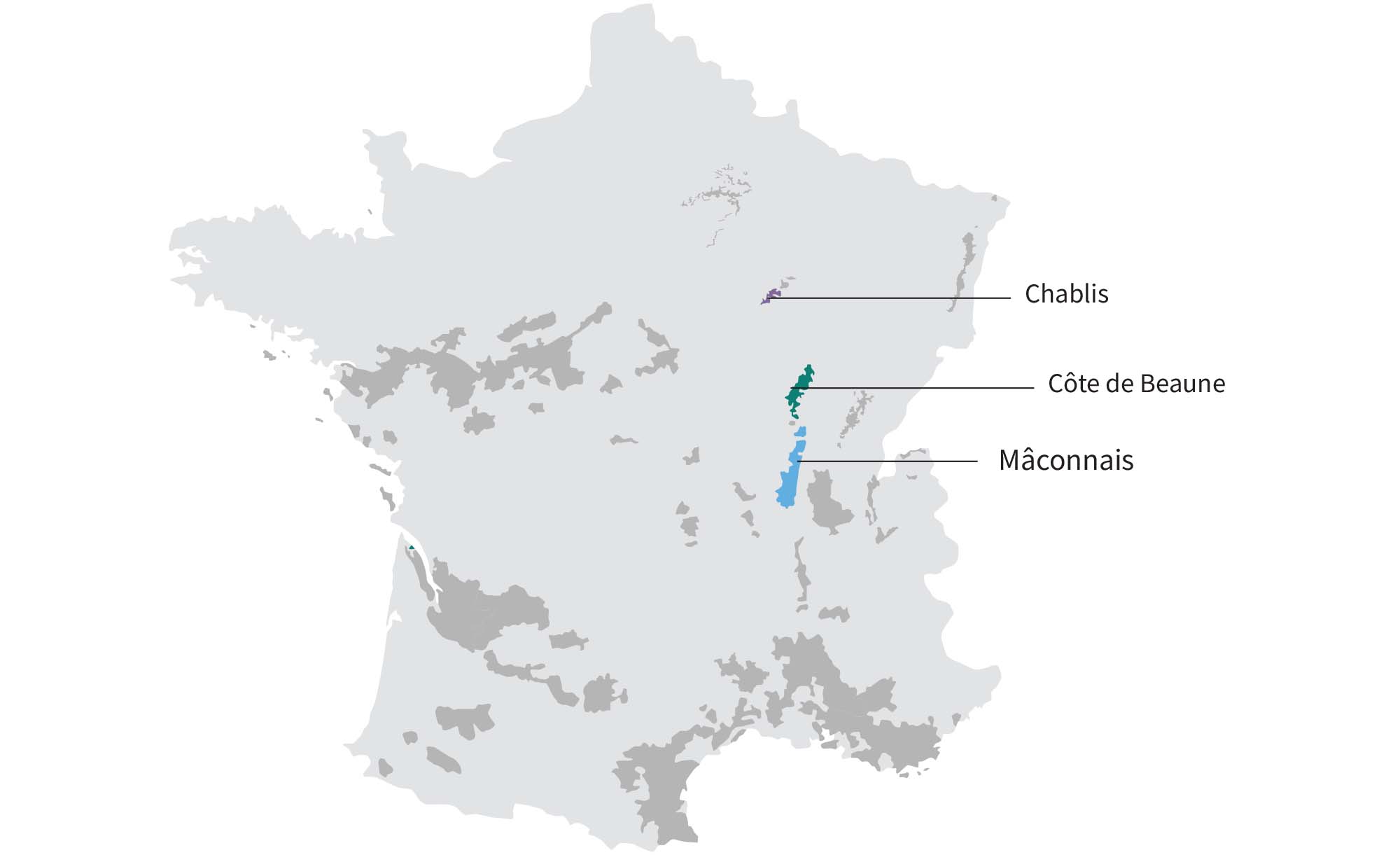
Burgundy, France, is considered the source of the finest Chardonnays in the world. Chardonnay offers a perfect reflection of the soil where it’s planted, and most French winemakers have a more hands-off style that highlights what their terroir can do.
Chablis
White Burgundies from Chablis tend to be crisp, lean, and mineral since they’re made without oak aging. Chablis is a cold region in the north of Burgundy with chalky soils. The resulting wines have bright flavors of lime, lemon, tart applets, stony minerals, and sometimes a salty note like an oyster.
Côte de Beaune
The Chardonnays from the Côte de Beaune are opulent, yet balanced too. Winemakers are masters at using just the right amount of oak and malolactic fermentation to create luxurious white Burgundies full of golden pears and apples, roasted quince, and hints of toasted brioche. If you like this style of French Chardonnay, look for wines from Puligny-Montrachet, Chassagne-Montrachet, and Meursault.
Mâconnais
Look to Mâconnais for white Burgundies in various styles at modest prices. The region is the furthest south in Burgundy, so it’s relatively warm and filled with valleys and hilltops ideal for growing grapes. Most Chardonnay here is made without new oak, so the wines show tropical fruits like golden kiwi, pineapple, and melon. Pricier Mâconnais Chardonnays from Pouilly-Fuissé and Saint-Véran are more likely to be aged in new oak, giving them more vanilla and baking spice notes.
Australia
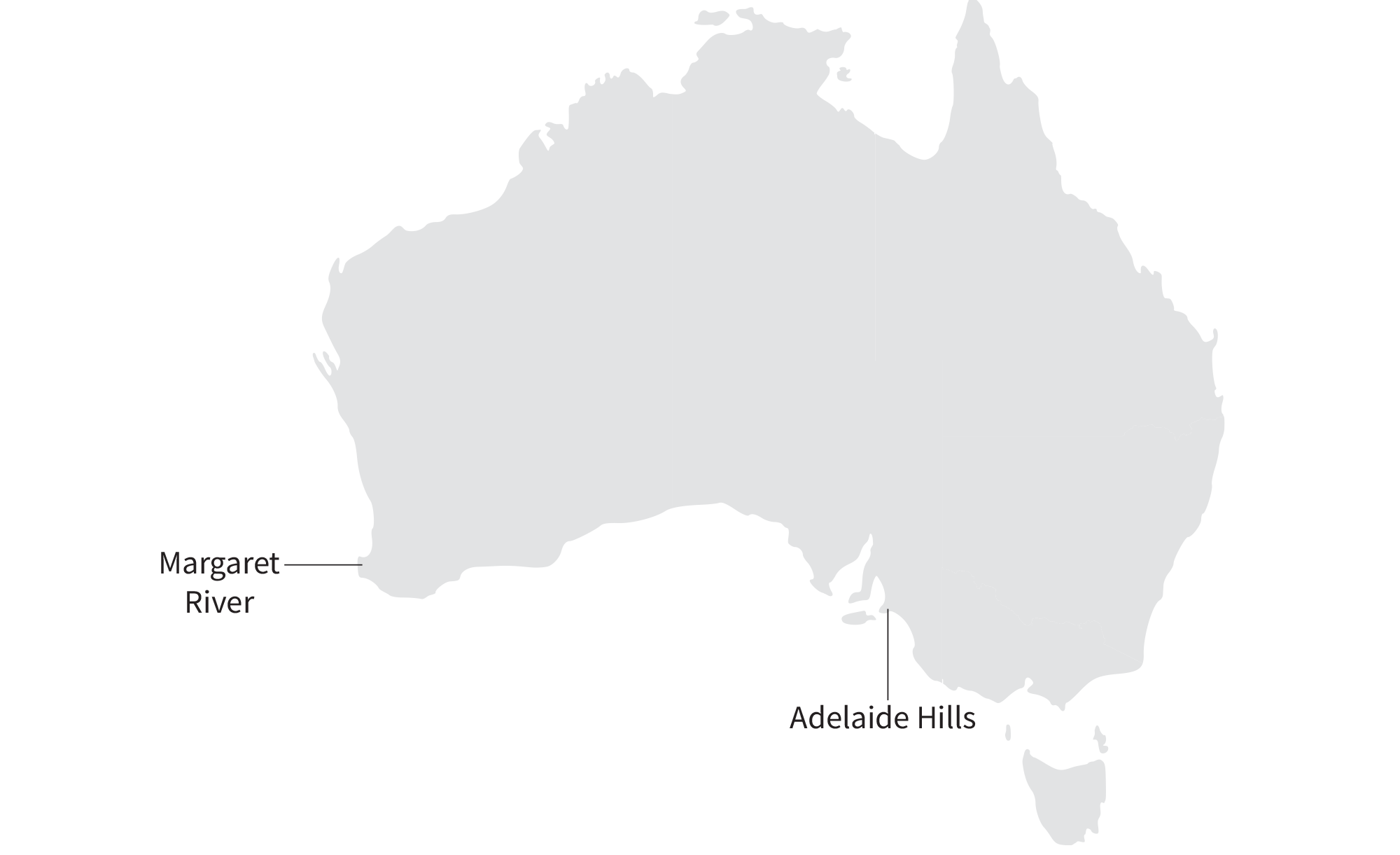
Chardonnay is an essential part of Australia’s wine industry. Australia is the third leading Chardonnay producer behind the US and France. The most acclaimed Chardonnays come from Margaret River and Adelaide Hills.
Margaret River
Margaret River has long been a surfing destination since two oceans flank it. But a California grape scientist and icon Robert Mondavi realized it had all the conditions for growing great Chardonnay. Margaret River Chardonnays show tangy peaches and nectarines mixed with tropical star fruit and sweet, nutty notes.
Adelaide Hills
This newer wine region in the mountains has a chilly terroir perfect for lean, elegant, and bright Chardonnay. The best Adelaide Hills Chardonnays offer a mix of zesty citrus — think lime, lemon, and orange — with hints of white peach, vanilla, and almond.
New Zealand
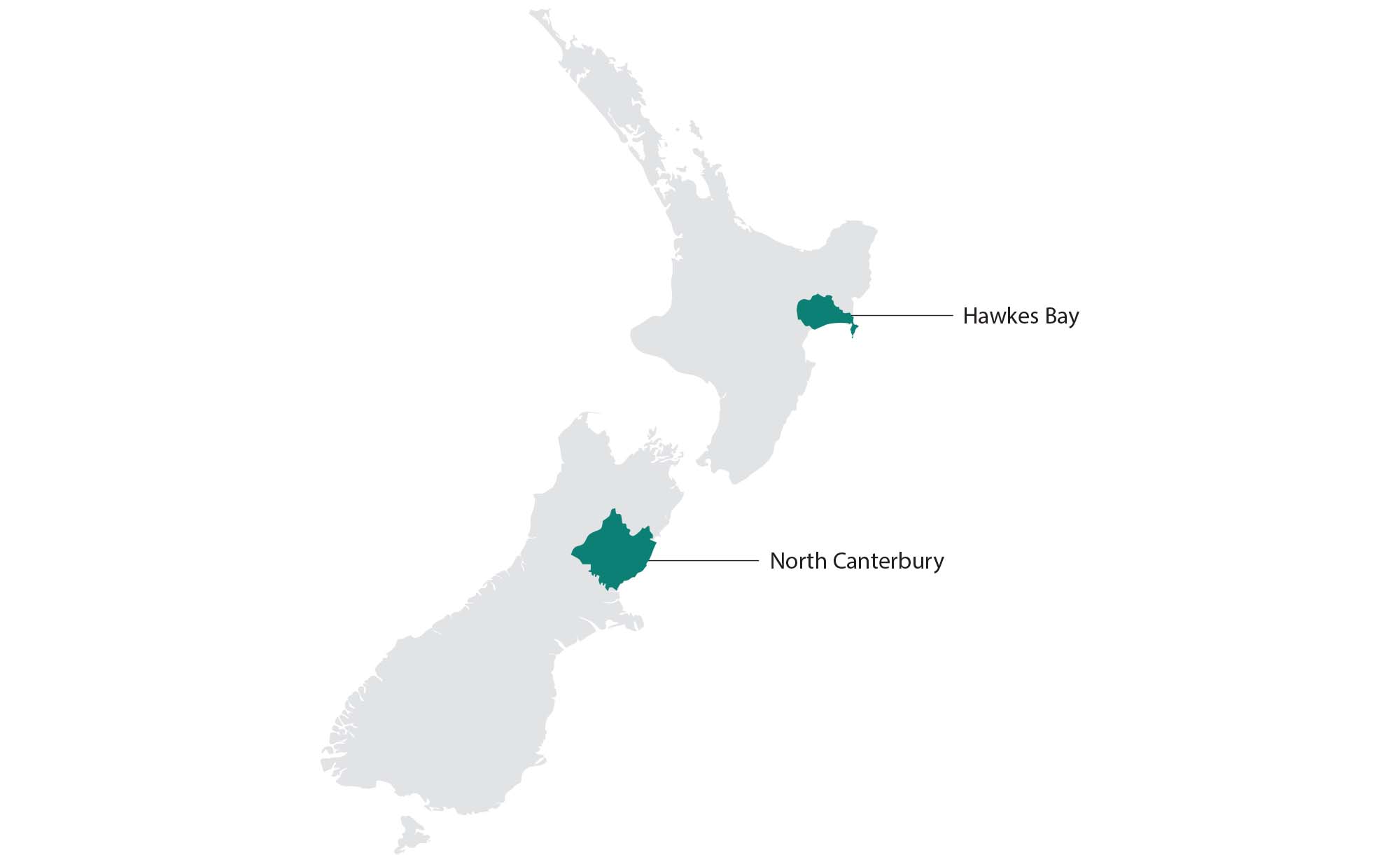
Just like New Zealand’s chilly climate creates stunning Pinot Noirs, the land of Oz is a fertile place for lively Chardonnays with a balance of abundant fruit, acidity, and minerality.
North Canterbury
This vast region on the South Island includes mountains, the ocean, and a mix of soil types. The cool, dry climate gives Chardonnay a long growing season to develop flavors. Wines from the Waipara Valley are prized for their remarkable structure and complex citrus character.
Hawkes Bay
The oldest wine region in New Zealand, Hawkes Bay has a cool coastal climate that creates luxurious Chardonnays with flavors of red apples and other fruits, rich texture, and vibrant acidity.
Other notable regions
Beyond Napa and Sonoma, California’s Central Coast produces fine Chardonnays, especially from the Bien Nacido Vineyard. Fantastic Chardonnays are coming out of Washington State, Oregon, and Chile.
We hope this exploration of Chardonnay Tastes worldwide inspires you to try some wines from new places. To learn more, visit our Chardonnay Guide or our article on Oaked vs Unoaked Chardonnay.