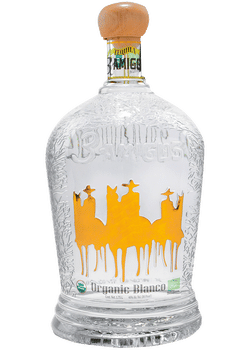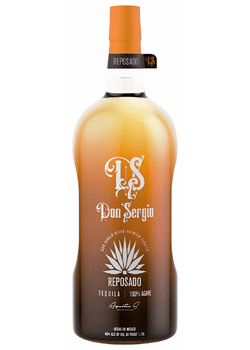
How is Mezcal different from Tequila?
Tequila and Mezcal are two Mexican spirits distilled from agave plants.
In fact, any spirit distilled from agave legally can be called Mezcal, and that includes Tequila. But to be labeled Tequila, an agave spirit must come from particular regions of Mexico, and be made a certain way.
Some of the basic differences between these spirits revolve around the places where they’re made, the types of agave used, the production process, aging times, and the flavor profiles. Just remember, all Tequila is Mezcal, but not all Mezcal is Tequila. Keep reading to explore the differences between these two agave spirits and how to use Mezcal versus Tequila in cocktails.
Tequila vs Mezcal: Side by side differences
At first, the differences between Tequila and Mezcal may seem minor. But the more you learn, you realize that each spirit has its own traditions and personality.
Location
Tequila is made in five states in Mexico: including Jalisco, Nayarit, Michoacán, Guanajuato, and Tamaulipas.
Mezcal, also called Mescal, can be made in nine different states of Mexico, but the majority is from Oaxaca.
Source Material
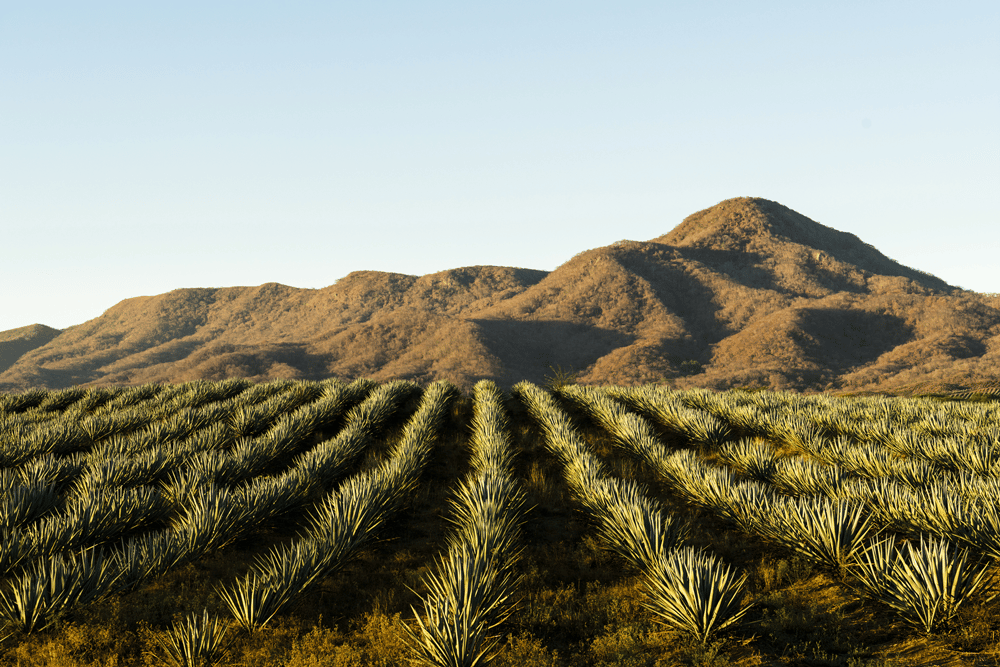
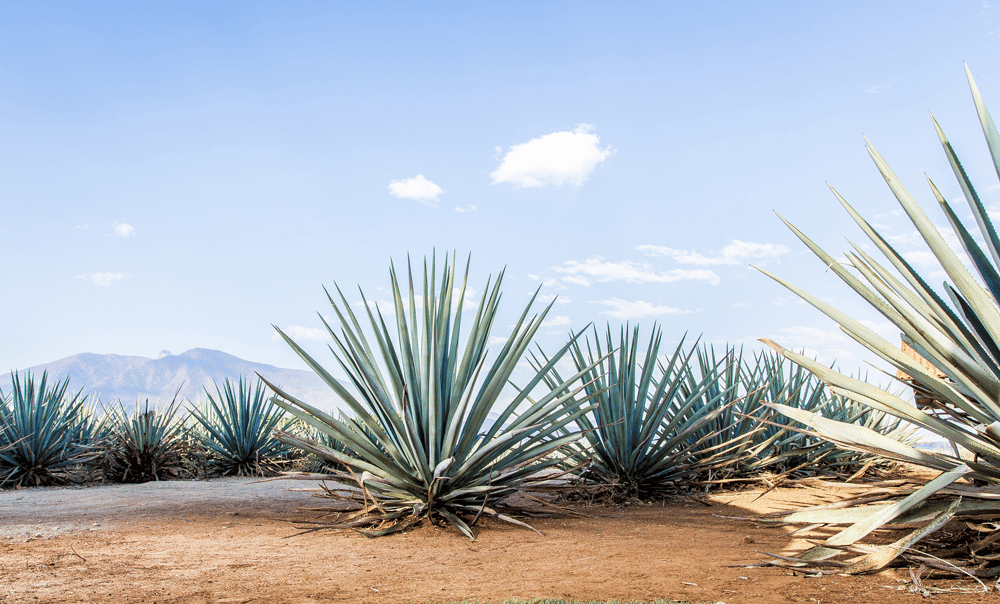
All Tequila that says 100% agave on the label must be made from the Agave tequilana, commonly known as Blue Weber Agave.
Mezcal can be made from 40 to 50 different types of agave; popular choices are Espadín and Tobalá.
Production
Tequila is made by a more industrial process where giant agave hearts called piñas are split in half then steamed or baked. Next, the cooked hearts are shredded, juiced, fermented, and distilled into a clear spirit. Some Tequilas are double or triple distilled to a level of 76 to 80 proof.
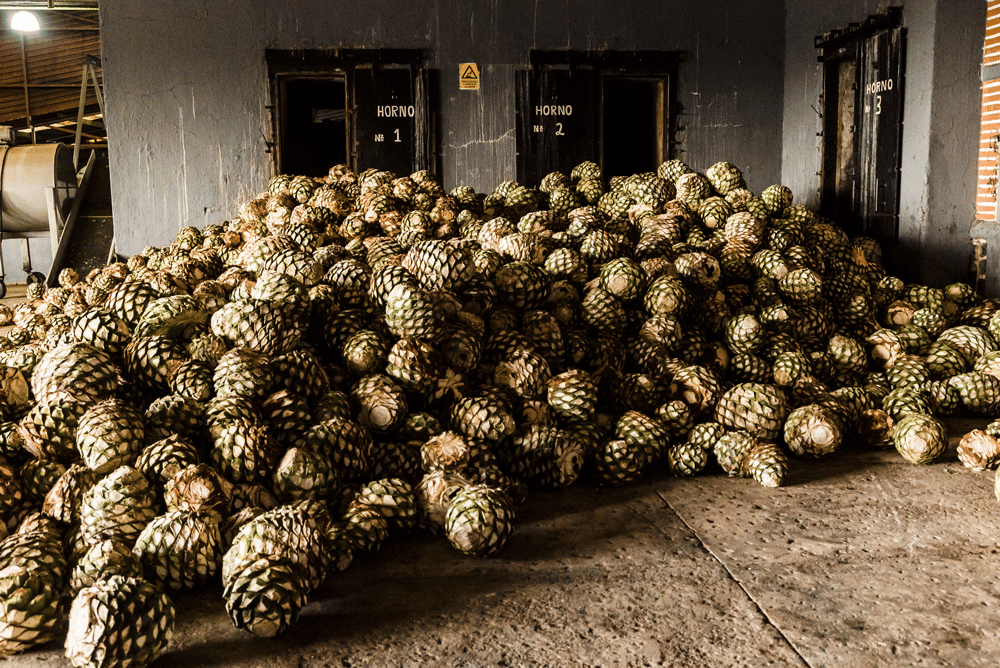
Industrial Mezcal is made similar to Tequila. To make Mezcal artesanal, piñas are slowly fire-roasted in pits filled with rocks and agave fronds before being shredded, juiced, fermented, and distilled. Spirits labeled Mezcal ancestral are distilled in a clay pot over fire. This gentle fire roasting gives many Mezcals a hint of smokiness, but it shouldn’t be strong. Most Mezcal is distilled just once, to an alcohol level that’s anywhere from 76 to 110 proof.
Aging
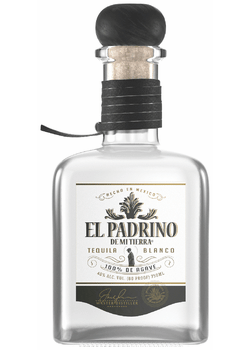
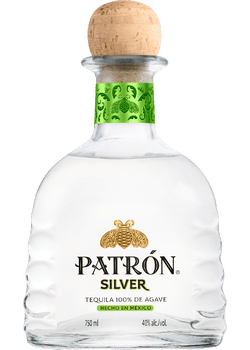
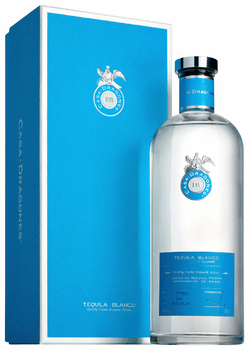
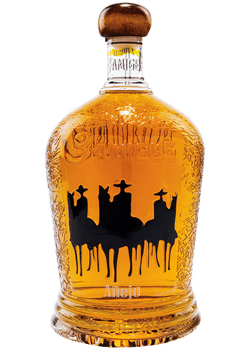
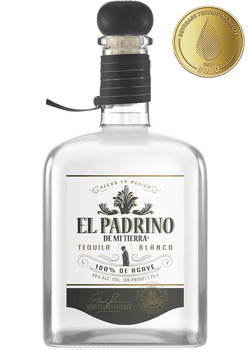
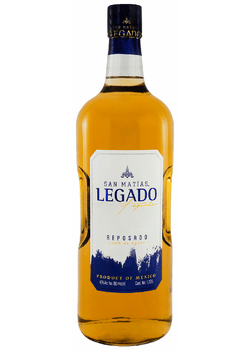
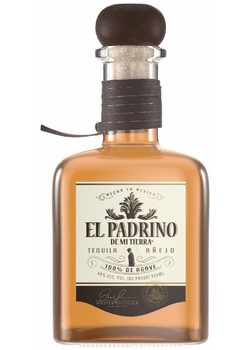
Tequila comes in five aging levels set by law: Blanco, Joven, Reposado, Añejo, and Extra Añejo. The longer it’s aged in wood casks, the spirit gets darker and the flavors deepen. The price also rises.
Mezcal is meant to be enjoyed as a young and clear spirit.
Tequila and Mezcal flavors
Mezcal and Tequila will display different flavors depending on how they’re made and how long they've been aged.
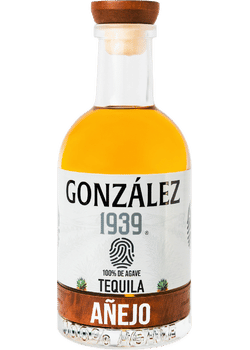
Tequilas tend to get more smooth as they age. Young Silver and Joven Tequilas have green notes with hints of citrus, earth, and pepper. Reposado Tequilas are smoother with notes of cocoa, caramel, and vanilla. Añejo and Extra-Añejo Tequilas, which might be aged three or more years, are the most smooth, with sweet, nutty, and caramel flavors.
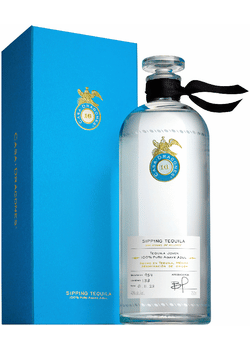
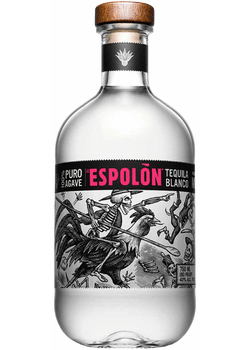
Top Tequilas
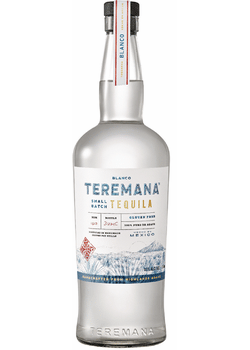
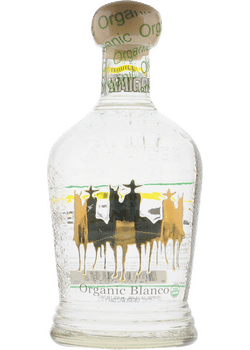
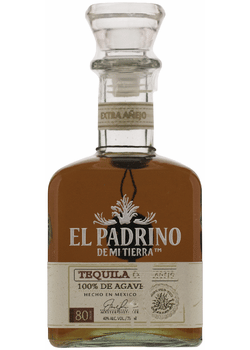
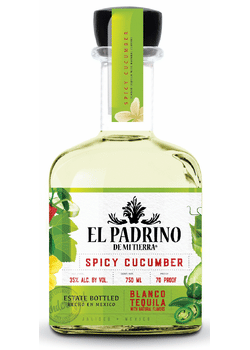
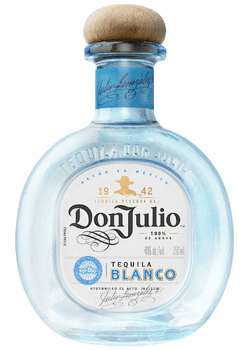
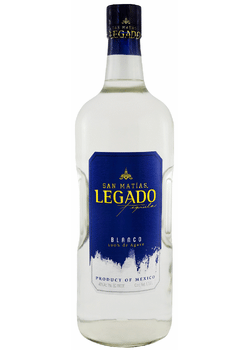
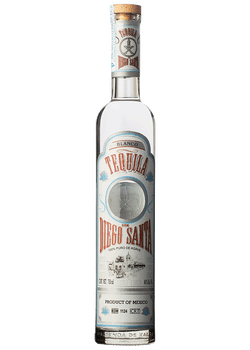
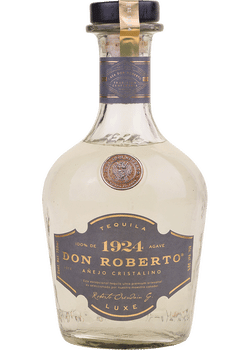
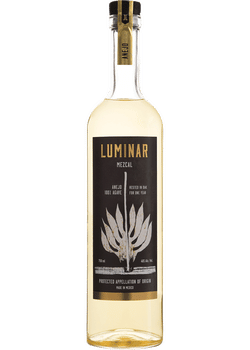
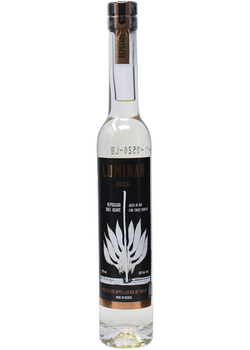
Mezcal is clear yet intense with a diverse range of flavors depending on how it was produced. Mezcal can be fruity, floral, herbal, vegetal, spicy, or savory. Many Mezcals also have a touch of smoke, but this should be a background note and not all you taste. Experts at La Mezcaloteca, one of the serious Mezcal education and tasting bars in Oaxaca de Juarez, say that if a Mezcal has a strong smoky flavor, that’s a sign it’s poorly made or the smoke is being used to hide a flaw.
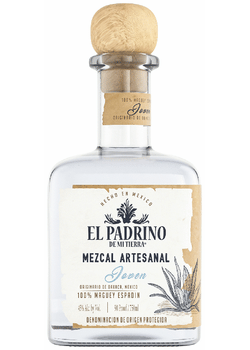
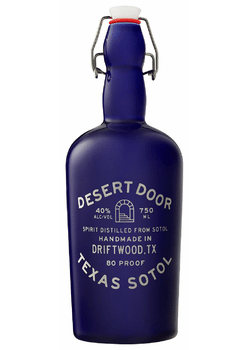
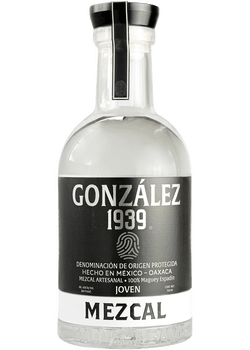
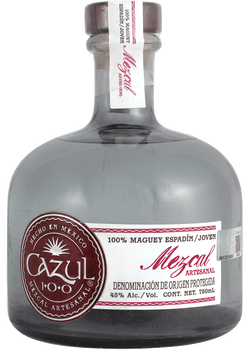
Shop Mezcal

Tequila vs Mezcal cocktails
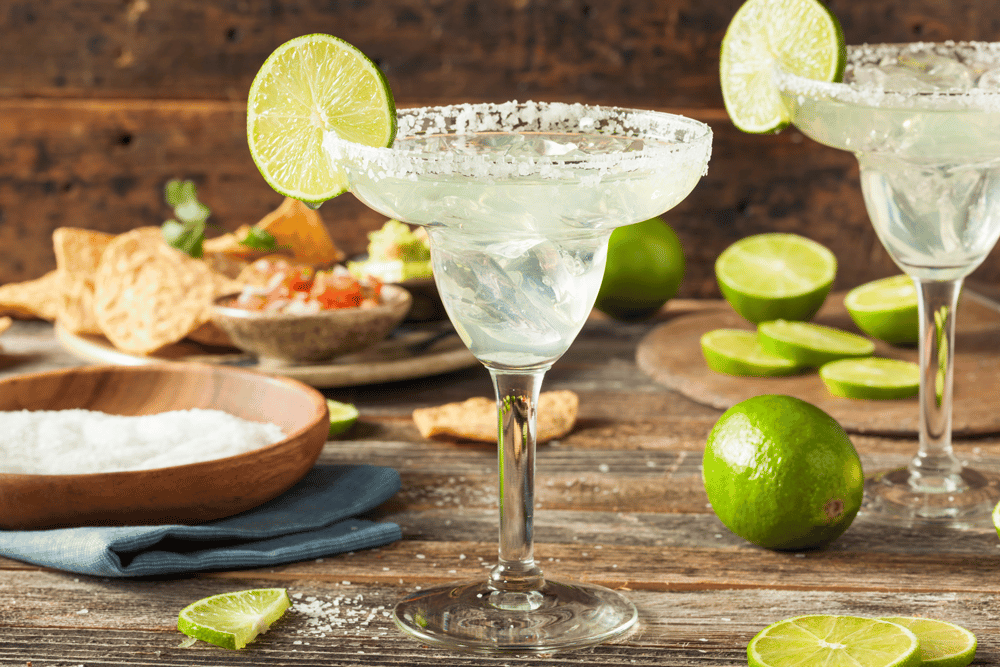
For many bartenders, a fresh-tasting Mezcal can be used interchangeably with a Blanco or Silver Tequila or another white spirit. It’s always interesting to take a familiar drink like a Margarita, Moscow Mule, or a Paloma and swap in Mezcal.
Since aged Tequilas have caramelized and nutty flavors, they’re delicious in Whiskey drinks such as a Manhattan, Old-Fashioned, Brown Derby, or Whiskey Sour.
Mezcal works well in drinks with bolder flavors, such as popular spicy sours that feature lime, cilantro, and jalapeño. A Mezcal that’s slightly smoky can also stand in for Scotch, such as in a Penicillin.
Learn more about different styles of Tequila in the Tequila Guide or get cocktail inspiration in the Cocktail Recipe guide.