
Both orange wine and rosé are wildly popular wines these days. And if you line up a glass of pale rose gold rosé vs. orange wine, it's challenging to tell the difference between the two styles. After all, they're both in-between wines: neither red nor white.
We think orange and rosé wines capture the best qualities of both red and white wines. Rosé and orange wines are served chilled, they're made internationally from many grapes, and both emphasize acidity, making them ideal for food pairing.
While rosé and orange, or amber, wines can look similar, there are critical differences between the two styles. Let's take a trip through the colorful world of orange vs. rosé wine, exploring regions, varietals, the winemaking process, and flavors between these two popular styles of wine.
Top Customer Rated Rose

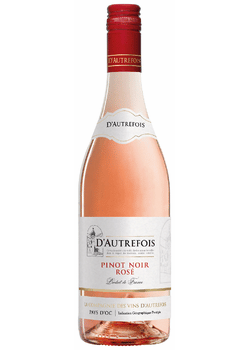
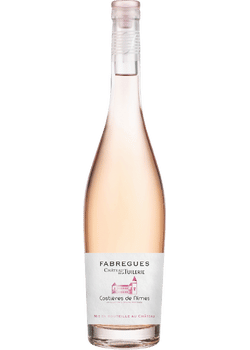
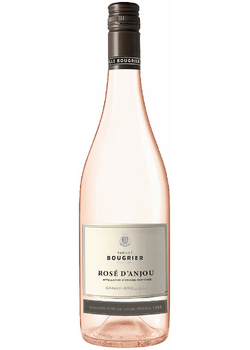

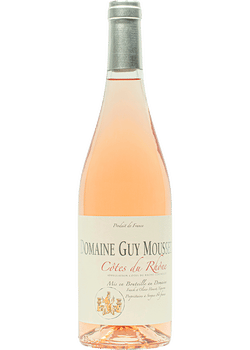
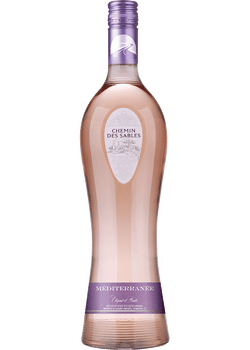
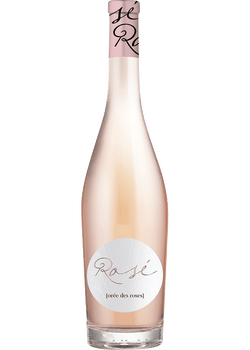
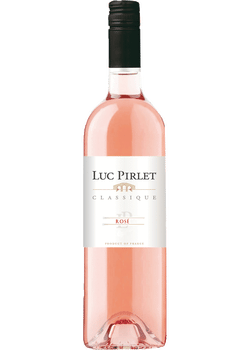
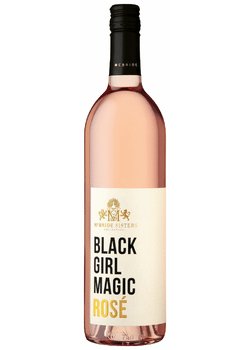
Is orange wine the same as rosé?
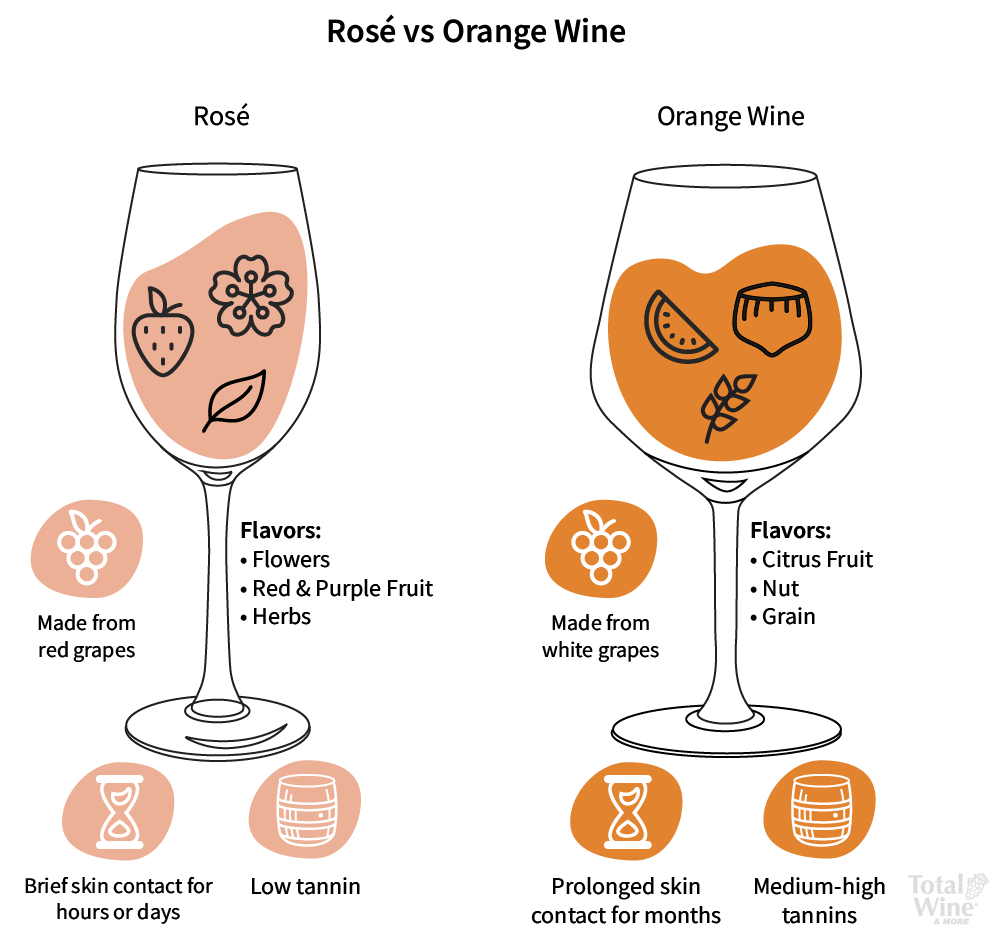
It's easy to think that orange and rosé wines are alike because their colors can be so similar. But orange wine and rosé are distinct wine styles made by unique processes using different kinds of grapes. Our side-by-side comparison gives you a quick overview of the differences between rosé vs. orange wine.
Shop Orange Wine

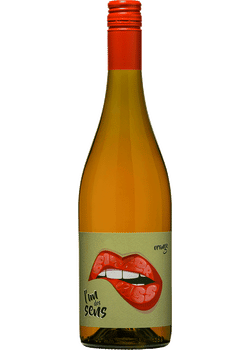
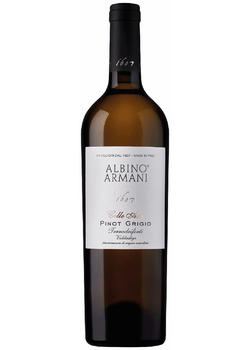
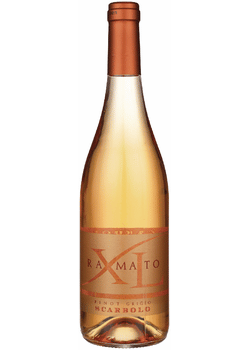

Where do orange wine and rosé wine come from?
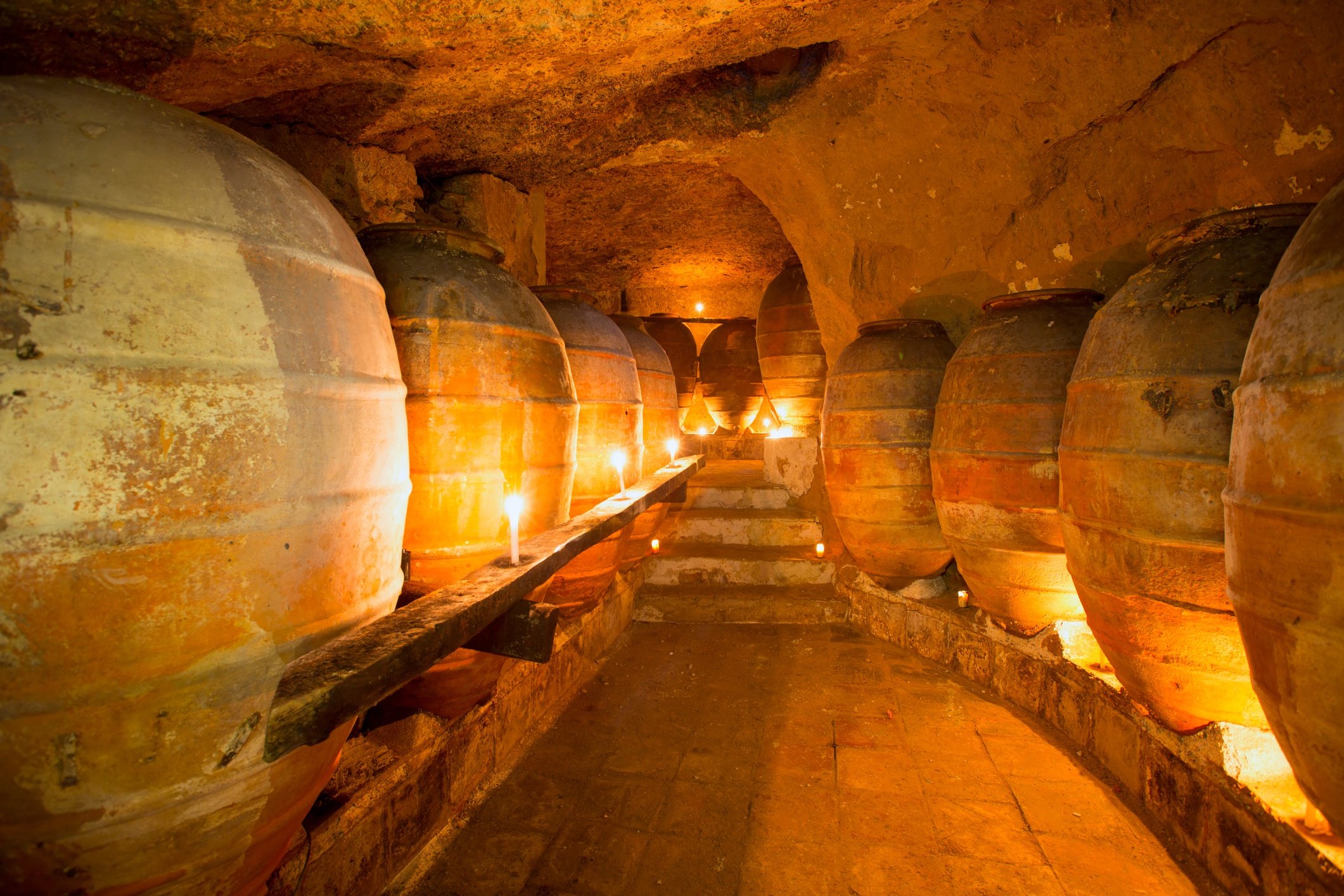
Both orange wines and rosé wines are made worldwide. Orange wines have nothing to do with the fruit of the same name, but they do have a long history in Eastern Europe. They likely originated in Georgia, where white wines have been fermented with their skins in clay amphorae called qvevri since 6,000 BC. In Georgia, these are called amber wines because of the golden color, but it's perfectly OK to call them orange or skin-fermented wines.
The Phoenicians were the first to enjoy rosé wines in the Mediterranean around 1,500 BC. The Greeks wrote about quaffing rosé wines starting in 600 BC. Historians tell us those early rosés were often red wines diluted with water. Today, rosés have evolved into year-round sippers, and you'll find pink wines ranging from dry to sweet internationally.
Top Everyday Rosé
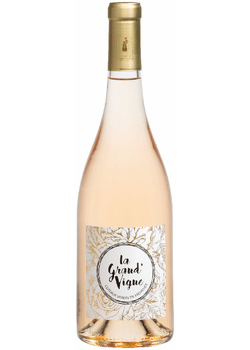
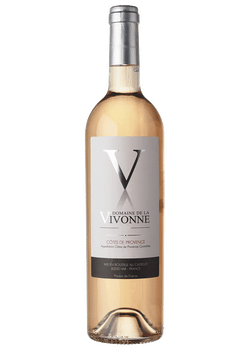
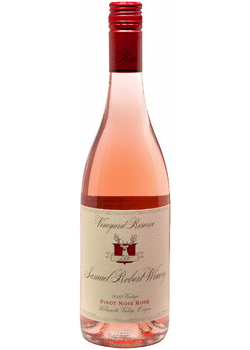
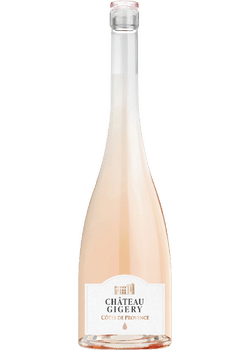
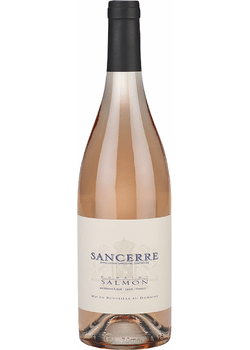
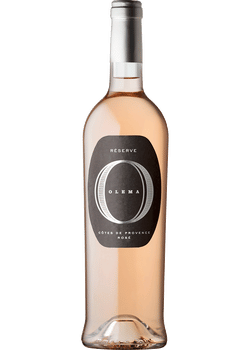
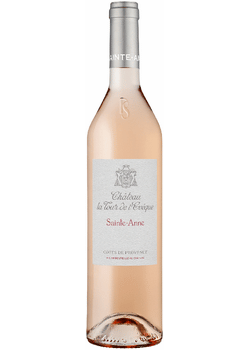
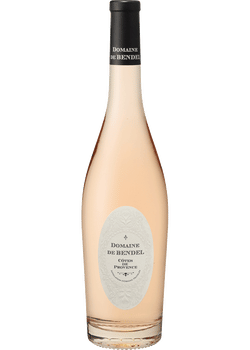
What kind of grapes make rosé vs. orange wine?
One main difference between rosé vs. orange wines is the type of grapes used to make them.
Orange wines are made with pale green, gold, or pinkish wine grapes that typically make white wines. Pinot Gris, aka Pinot Grigio, Ribolla Gialla, Gewurztraminer, and the Georgian varietals Rkatsiteli and Mtsvane are often used in orange wines, though nearly any white wine grape will do.
Most rosé wines start with purple grapes that can make red wines, such as Grenache, Pinot Noir, or Sangiovese. These grapes have pale flesh and clear juice that turns pink with skin contact.
How are orange wine and rosé wines made?
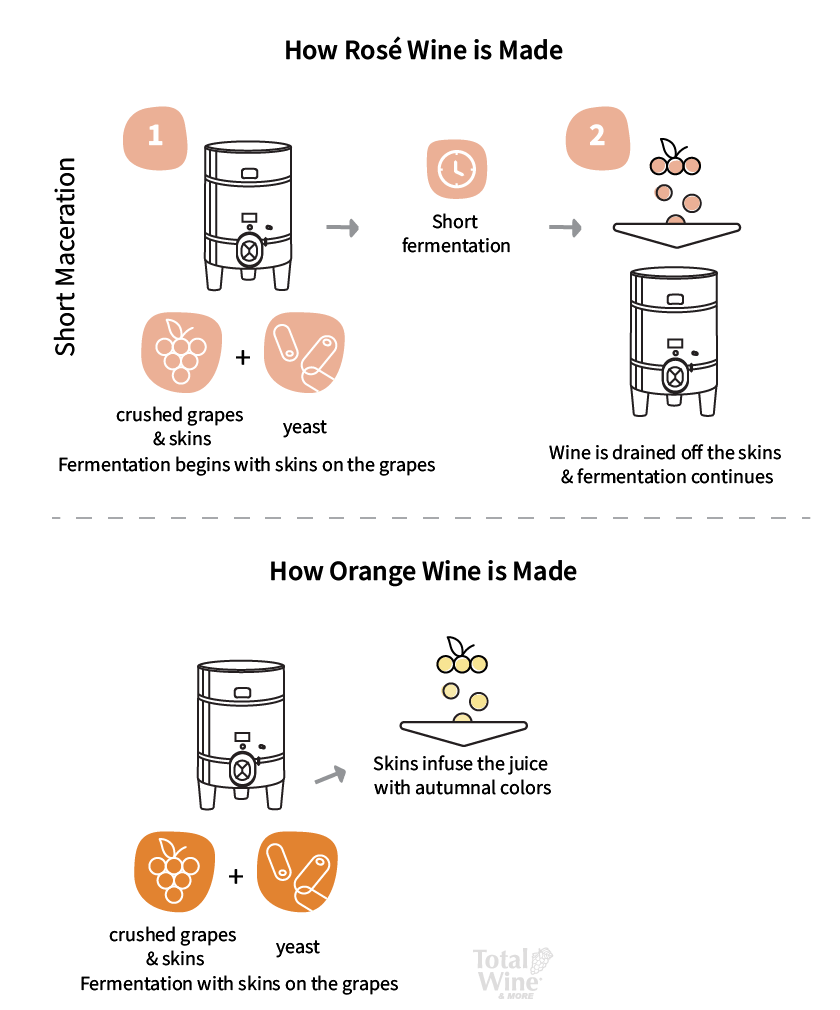
Natural pigments tint both rosé and orange wines in grape skins. But there are some different processes used to make these two colorful wines.
Orange wines usually start with crushed white grapes and stems placed in a clay amphora or sealed vessel along with yeast. As the grapes and skins ferment for months, the skin turns the wine golden orange. Once the winemaker is satisfied with the color and flavor, the wine is strained and bottled.
Rosé can be made in a few different ways. A winemaker who intends to make rosé will pick her grapes early, when they have high acidity. The grapes are crushed to release the juice, and the purple skins soak with the juice for a few hours until it reaches the desired flavor and color. Then the skins are removed, and the wine finishes fermentation.
With the saignée (sahn-YAY) or "bleeding" method, ripe red grapes destined for red wine are crushed, and early in the fermentation process, some juice is siphoned off, so the red wine is more concentrated. That extra juice is made into rosé wine with bold red fruit flavors. The third way to make rosé is by adding a little red wine to white wine to tint it pink.
Flavors + Food Pairings
You'll love matching dishes with orange and rosé wines because they both feature refreshing acidity that complements a variety of foods.
What does rosé wine taste like?
The best rosé wines are lighter, brighter, summery versions of your favorite red wines. Depending on the grape, rosé can taste like raspberry, strawberry, plum, red cherry, watermelon, pink grapefruit, herbs, rose, and minerals with refreshing, mouthwatering acidity. Rosé usually has moderate alcohol and mild tannins since the grape skins have brief contact with the wine.

Orange Wines & Pét Nat
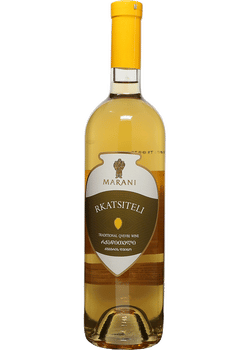
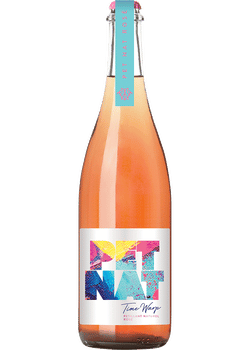
Orange Wine and Pét-Nats are fresh, fermented and delicious. Orange Wine is as refreshing as white wine and robust like red. Pét-Nat is fun, fizzy and juicy with a hint of sweetness.



What pairs with rosé wine?
Dry rosé is delicious with shellfish from lobster and clams casino to grilled shrimp and cracked crab, and fin fish like ocean trout and salmon. Rosé is a perfect accompaniment to pork of all kinds, from bacon and ham to pork ribs to pepperoni pizza. The deeper flavors in a saignée rosé can work with a New York steak or a juicy hamburger. Rosé is also surprisingly good with red foods like tomatoes, beets, watermelon, fresh strawberries, and raspberries.

What does orange wine taste like?
If rosé tastes like summer, then orange wines evoke early autumn. Orange wines often have aromas of fruits, nuts, spices, flowers, and grains, along with noticeable drying tannins, thanks to the more prolonged skin contact. Skin-fermented orange wines can offer notes of apricot, citrus, peach, pineapple, golden apple, yellow pear, orange zest, and toasted hazelnut or almond. Some wines, especially fermented with natural yeast, resemble fruity, slightly hoppy beer.

What pairs with orange wine?
Enjoy orange wines on their own or with aromatic foods, roasted vegetables of all sorts, salads, fermented dishes like sauerkraut, miso or kimchee, cheeses, savory grains like quinoa, fonio, Moroccan tagine with couscous and spiced lamb, Indian or Thai curry, and peanut-based sauces.

Are you interested in learning more about different international rosé wines and the many styles of orange, amber, and skin-fermented wines? Explore these two beautiful styles of wine in our orange wine guide, our article on the best rosé wines to drink now, and a handy rosé wine color chart.