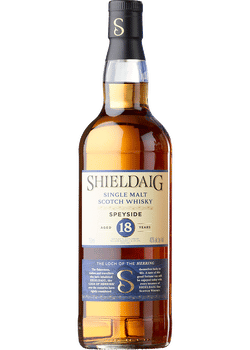
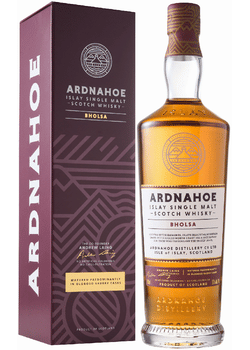
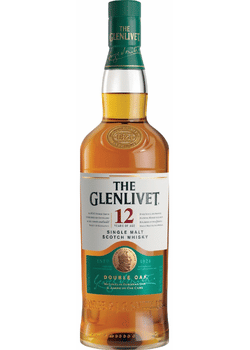
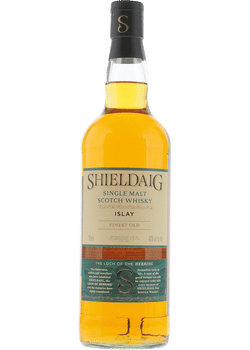
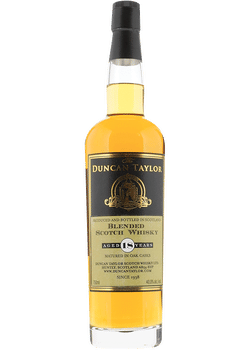
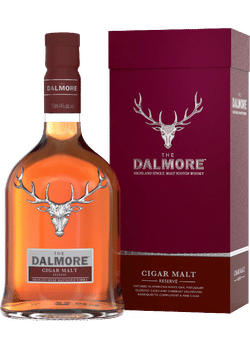
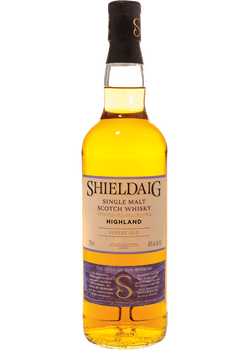
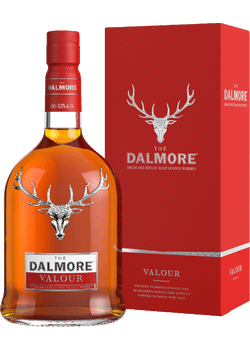
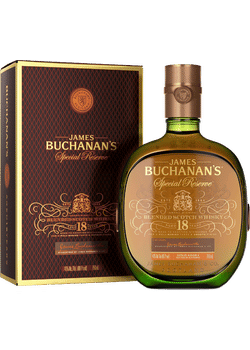
Scotch: One of the Most Complex Spirits in the World
Among Whisky drinkers, Scotch is considered one of the greatest brown spirits on the planet. (And yes, when we refer to Scotch, it's spelled “Whisky”, not “Whiskey”.) Unlike common belief, however, not all of them are smoky and smell of peat. The range of expressions is massive, and depending on the brand and where it's made, it can vary significantly. Let's take a closer look.
What is Scotch? How is Scotch made?
Scotch, which is also often called Scotch Whisky, is the classic Whisky of Scotland. According to law, malt Scotch, which also includes single malt Scotch, must be made entirely from malted barley. Scotch grain Whisky, which is not seen all that often in the United States, can be produced from a mash bill that includes other cereal grains, too. For both, the grain is soaked in a hot bath of water, which in turn is fermented, producing what is typically referred to as “distiller's beer.” That liquid is then distilled, concentrating the alcohol until it reaches the required potency, at which point it is put into wooden barrels to age. It's during the barrel-aging process that Whisky gains its color and much of its flavor.
What's the difference between Scotch and Whiskey?
Scotch is a type of Whiskey/Whisky. It's best to think of Whiskey as the umbrella category that includes all spirits distilled from grain and then aged in wood barrels. Within the Whiskey/Whisky category are specific Whiskey types, including Bourbon, Irish Whiskey, Canadian Whiskey, Japanese Whisky, and, of course, Scotch.
What is the difference between Scotch and Bourbon?
Both Scotch and Bourbon are Whiskies, but Scotch must be produced in Scotland and has a predominance of malted barley at its core. Bourbon, on the other hand, must be produced in the United States, be composed of at least 51% corn, and aged in charred new American oak barrels. So while Scotch and Bourbon are related—think of them as Whiskey cousins—they are quite different from one another. People often ask what is smoother: Bourbon or Scotch? The answer is, it depends on the brand, the age statement, and the alcohol content.
What is peat?
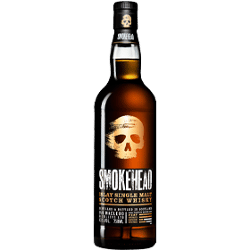
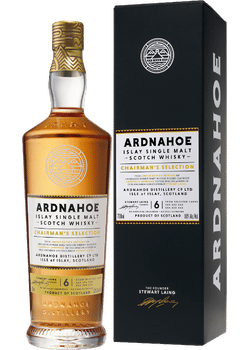
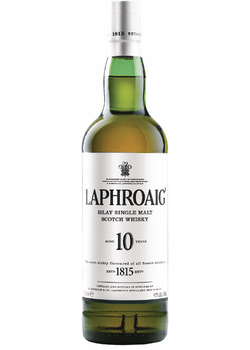
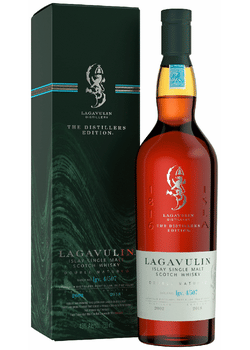
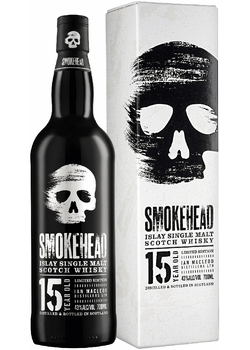
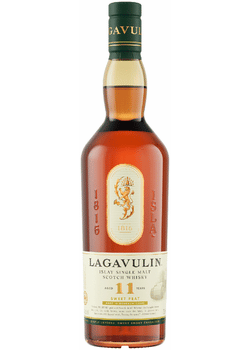
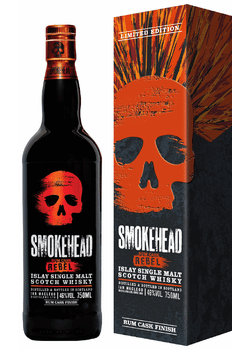
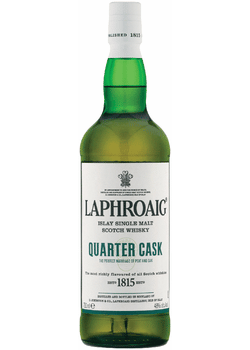
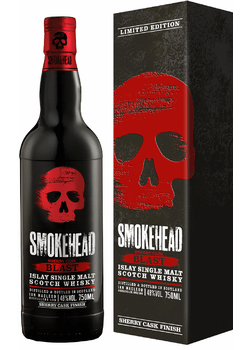
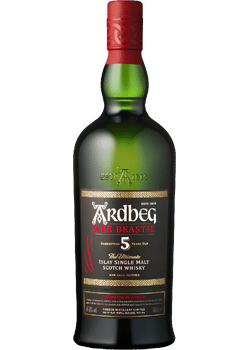
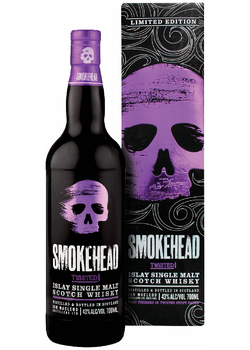
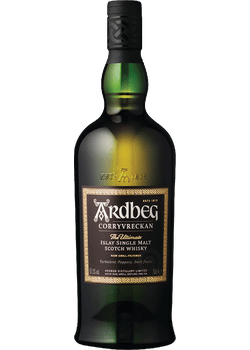
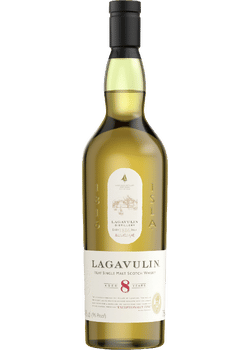
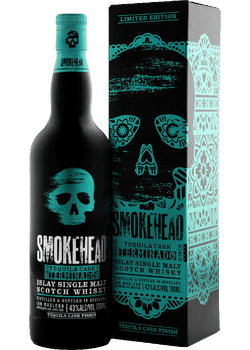
Some Scotch is smokey, most famously the single malt Whisky from Islay, an island off the southwestern coast of Scotland. Those Whiskies get their smokiness from the process used to dry the malted barley, which in their case utilizes the smoke and heat from smoldering peat. Peat itself is an organic material that underlies much of the land in Islay. It tends to feel spongy underfoot and is composed of partially decomposed plant matter. Its unique smoky aromas, when smoldered, impart an immediately noticeable character to the Whisky that results.
What is the smoothest Scotch?
There are many smooth Scotches available, though generally, the Highlands or Speyside ones tend to be the smoothest. However, smoothness is often impacted significantly by alcohol content. Very high-proof spirits can come off as a bit hot or aggressive (but not always). Try to stick with 80-90 proof for the smoothest ones. In addition, older Scotches—and older Whiskies in general—tend to be smoother than younger ones.
How do you drink Scotch?
It's usually recommended to enjoy blended Scotch on the rocks and single malt Scotch neat, with just a splash of water added to open up the palate's aroma and flavors. But drink them as you like!
What mixes well with Scotch?
There are many excellent Scotch cocktails to enjoy, including the Rusty Nail (Scotch, Drambuie), the Rob Roy (like a Manhattan but with Scotch instead of Rye or Bourbon), and the Blood and Sand (Scotch, orange juice, cherry liqueur, Vermouth), and more.
What is a good Scotch for beginners?
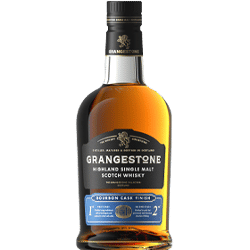
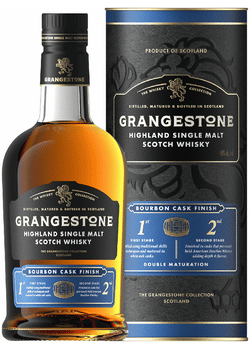
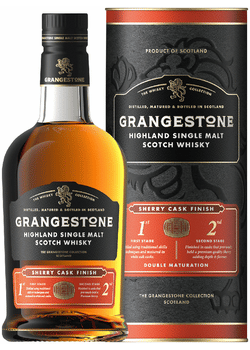
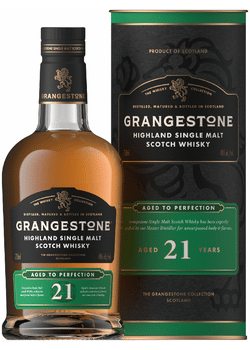
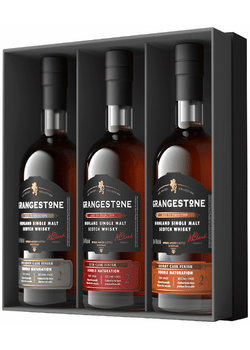
People often ask, where do I start with Scotch? Grangestone is a fantastic Scotch Whisky to begin with, as it boasts multiple age statements and expressions at an introductory price range.
What is the best Scotch?
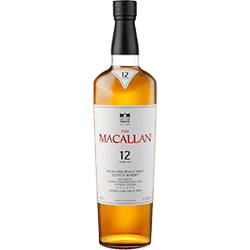
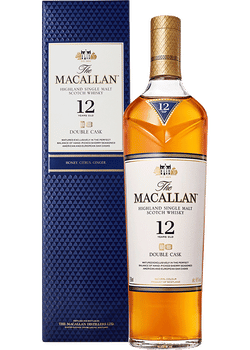
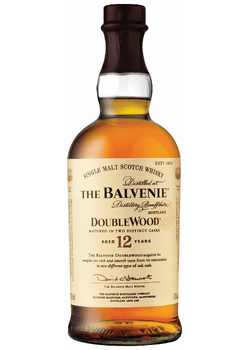
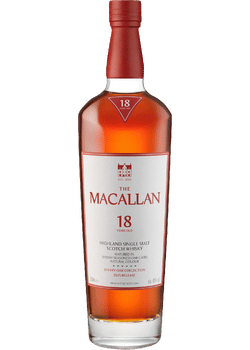
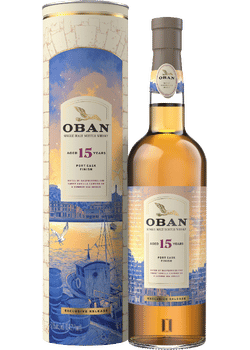
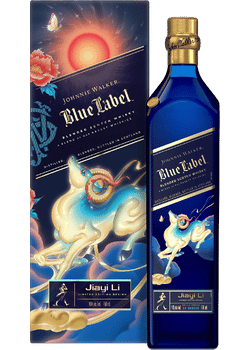
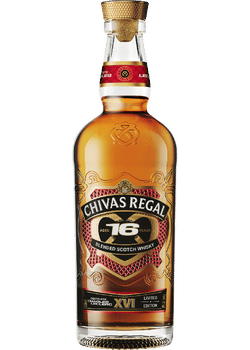
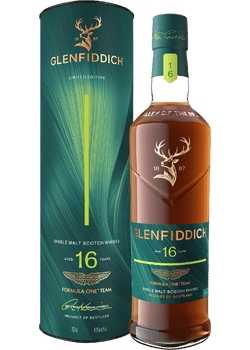
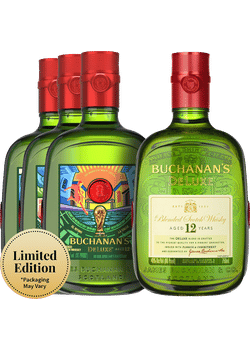
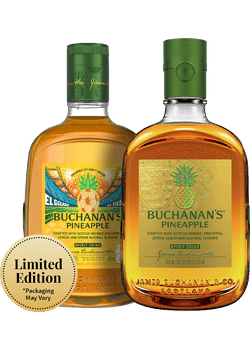
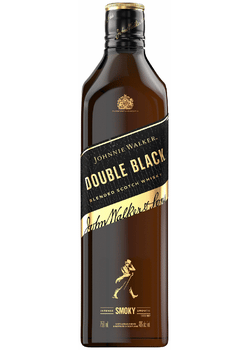
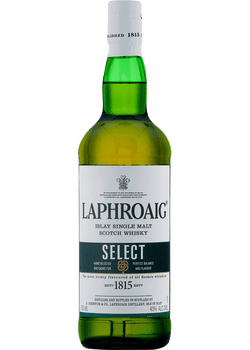
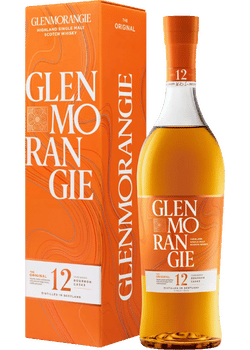
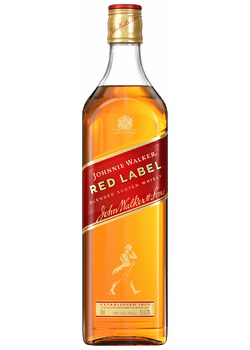
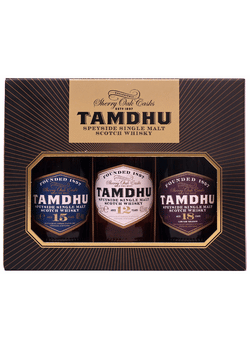
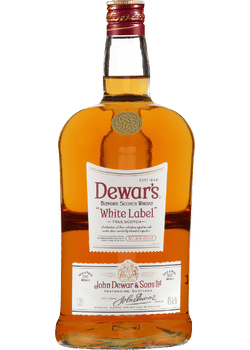
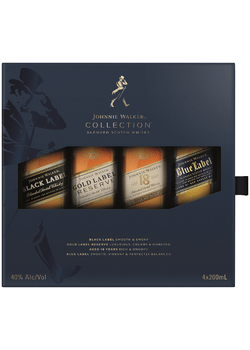
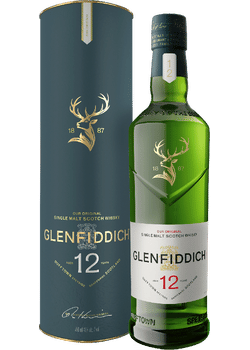
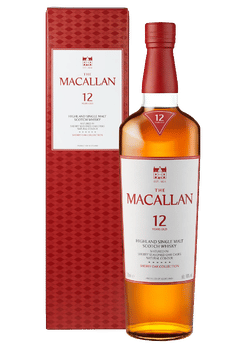
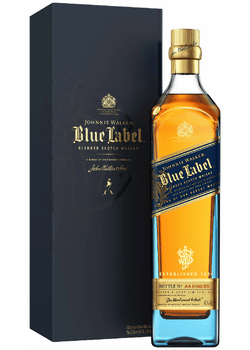
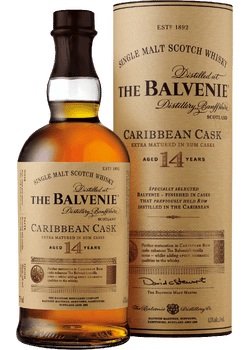
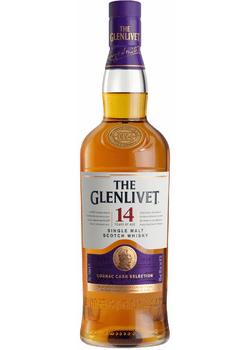
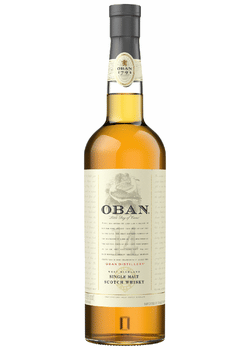
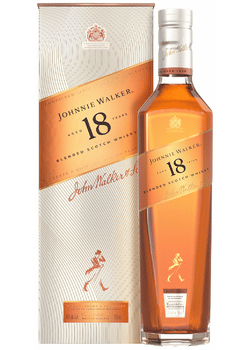
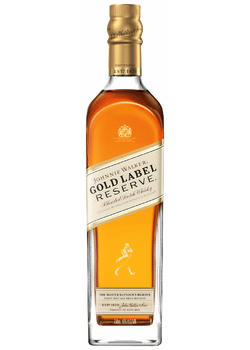
There are many excellent examples of Scotch Whisky to explore. Some of the best include Macallan, Glenlivet, Johnnie Walker, Chivas Regal, Buchanans, Glenfiddich, Dewars, Oban, Balvenie, Laphroaig, Grangestone, and Glenmorangie.
Browse our full selection of Scotch online or check out our selection of highly-rated Scotch for a great new Scotch to try this week!
Want to learn more about Scotch?
Visit our Scotch Whisky Guide to learn more about Scotch.